7 Dishes Grandma Made in Her Pressure Cooker
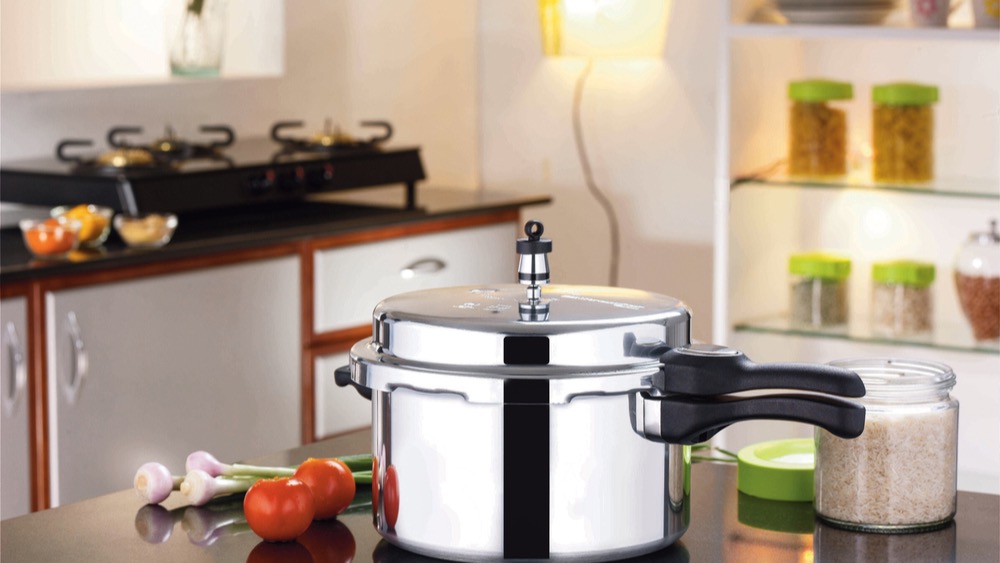
Long before the Instant Pot became a kitchen sensation, Grandma had her own secret weapon: the stovetop pressure cooker. It sat on the burner, rattling and hissing as steam escaped from the little weight on top. Kids were told to stay back, and many of them were a little afraid of it. But what came out of that pot was worth the noise.
Pressure cookers became popular in American homes in the 1940s and 1950s. Brands like Presto and Mirro promised busy homemakers a way to cook tough cuts of meat, dried beans and vegetables in a fraction of the usual time. For grandmothers feeding large families on tight budgets, they were a game changer.
Many grandmothers used their pressure cookers for decades, turning out comforting meals that families still remember fondly. Here are the dishes Grandma made in her pressure cooker.
1. Pot Roast
Pot roast was one of the most popular pressure cooker meals. Grandma took an inexpensive cut of beef, like chuck roast, browned it in the pot and added onions, carrots, potatoes and broth. In about an hour, the tough meat became fork-tender, something that would have taken hours in the oven.
The pressure cooker made pot roast possible on a weeknight, not just on Sunday. The rich gravy made from the cooking liquid was perfect for spooning over mashed potatoes or soaking up with a slice of bread. Many families still consider it the ultimate comfort food.
2. Beef Stew
Hearty beef stew was another pressure cooker favorite. Grandma cut stew meat into chunks, browned it and added potatoes, carrots, celery, onions and broth. The pressure cooker tenderized the meat quickly and blended the flavors into a thick, satisfying stew.
Stew was a budget-friendly meal that could feed a big family and stretch into leftovers. Many grandmothers served it with homemade biscuits or cornbread on cold winter nights. The smell of stew cooking still brings back memories for many people.
3. Pinto Beans and Ham Hocks
Dried beans normally take hours to cook, but the pressure cooker made them fast and easy. Many grandmothers cooked pinto beans, navy beans or Great Northern beans with ham hocks or salt pork for a smoky, savory flavor.
Beans and ham were especially popular in the South and Appalachia, where they were often served with cornbread and chopped onions. They were cheap, filling and nourishing, making them a staple for families stretching their grocery budgets.
4. Chicken and Dumplings
Grandma often used her pressure cooker to make tender chicken for chicken and dumplings. She cooked a whole chicken or chicken pieces in the pot until the meat fell off the bone, then used the rich broth to cook fluffy or flat dumplings.
The pressure cooker made it possible to use an older stewing hen, which was tougher but more flavorful than a young chicken. Chicken and dumplings was a beloved comfort food, especially when someone was sick or the weather turned cold.
5. Swiss Steak
Swiss steak was a classic mid-century dish made with round steak, a tough and inexpensive cut. Grandma pounded the meat, dredged it in flour, browned it and cooked it in the pressure cooker with tomatoes, onions and green peppers until tender.
The result was a flavorful, saucy meal that was often served over mashed potatoes or rice. Swiss steak was a popular way for grandmothers to turn a cheap cut of beef into something delicious, and many families still make it today.
6. Home-Canned Vegetables
Many grandmothers also used pressure canners, larger versions of pressure cookers, to preserve vegetables from the garden. Green beans, corn, carrots and other low-acid vegetables had to be pressure-canned to be stored safely on the pantry shelf.
According to home canning experts at the National Center for Home Food Preservation, low-acid foods like vegetables, meats and poultry must be processed in a pressure canner to reach temperatures high enough to destroy the bacteria that cause botulism. Grandma’s rows of shiny jars represented hours of careful work.
7. Split Pea Soup
Split pea soup was another pressure cooker favorite, especially after a holiday ham. Grandma would add the leftover ham bone to the pot with dried split peas, carrots, celery and onions. The pressure cooker turned the peas soft and creamy in a short time.
The soup was thick, hearty and full of smoky ham flavor. It was a frugal way to use every bit of the holiday ham, and many families looked forward to split pea soup almost as much as the ham itself.
The Hiss and Rattle
Anyone who grew up with a stovetop pressure cooker remembers its distinctive sounds. The weighted valve on top would jiggle and rattle as steam escaped, filling the kitchen with a rhythmic hiss. Some cooks could tell by the sound whether the pressure was right.
Early pressure cookers had a reputation for being dangerous, and stories of exploding pots circulated in many families. Older models could be risky if they weren’t used properly. Modern pressure cookers have multiple safety features that make them much safer to use.
Why Pressure Cookers Were Popular
Pressure cookers work by trapping steam inside a sealed pot, which raises the boiling point of water and cooks food faster. This made them especially useful for tough cuts of meat and dried beans, which normally take hours to become tender.
For grandmothers juggling households, gardens and large families, saving time was a big deal. Pressure cookers also saved fuel, which mattered when budgets were tight. They allowed families to eat hearty, home-cooked meals even on busy days.
The Pressure Cooker Comeback
Pressure cooking fell out of fashion for a few decades, partly because of safety fears and the rise of microwaves and convenience foods. But electric pressure cookers like the Instant Pot brought the method back in a big way in the 2010s.
Many younger cooks are now discovering the same benefits Grandma enjoyed: fast, tender, flavorful meals. Some are even recreating her old recipes in modern pressure cookers, bringing classic dishes back to the dinner table.
Tips for Using an Old Pressure Cooker
If you’ve inherited Grandma’s stovetop pressure cooker, it’s important to check it carefully before using it. Look at the rubber gasket, which can dry out and crack over time, and replace it if needed. Make sure the vent pipe is clear and the pressure regulator is in good shape.
Replacement parts for many older Presto and Mirro models are still available. Reading the manufacturer’s instructions, which can often be found online, will help you use it safely. Never force the lid open while there’s still pressure inside, and always let the pressure release fully before opening.
A Kitchen Legacy
Grandma’s pressure cooker may have been noisy and a little intimidating, but it helped her feed her family well. The pot roasts, stews and soups she made in it are still remembered fondly by those who gathered around her table.
If you have Grandma’s old pressure cooker tucked away in a cabinet, consider giving it a try, or recreating her recipes in a modern version. You might find that the dishes taste just as good as you remember, without all the rattling.