Restaurant Defends Controversial $6 To-Go Box Charge After Customer Questions Receipt
Imagine enjoying a delicious plate of pasta at your favorite restaurant, getting full halfway through, and asking your server for a box to take the leftovers home. Sounds pretty normal, right?
Now imagine checking your receipt and finding an extra $6 charge labeled “to-go box.”
Would you pay it without asking questions, or would you immediately want an explanation?
That’s exactly the debate that erupted after a customer shared her receipt from STATS Restaurant & Bar in Charlotte, North Carolina. What started as a simple dinner quickly turned into an online discussion about restaurant fees, promotional deals, and whether customers should have to pay extra to take home food they’ve already ordered.
But there’s an interesting twist. The restaurant insists the $6 wasn’t actually a charge for the container.
And that’s where things get complicated.
A Plate of Pasta That Started an Online Debate
The customer, known on social media as Millionaire Mace, visited STATS and ordered Cajun Alfredo pasta.
According to reports, she was dining inside the restaurant when she realized she couldn’t finish her food. Rather than leave perfectly good pasta behind, she requested a takeout container.
Nothing unusual there.
However, when she received her bill, one particular line caught her attention.
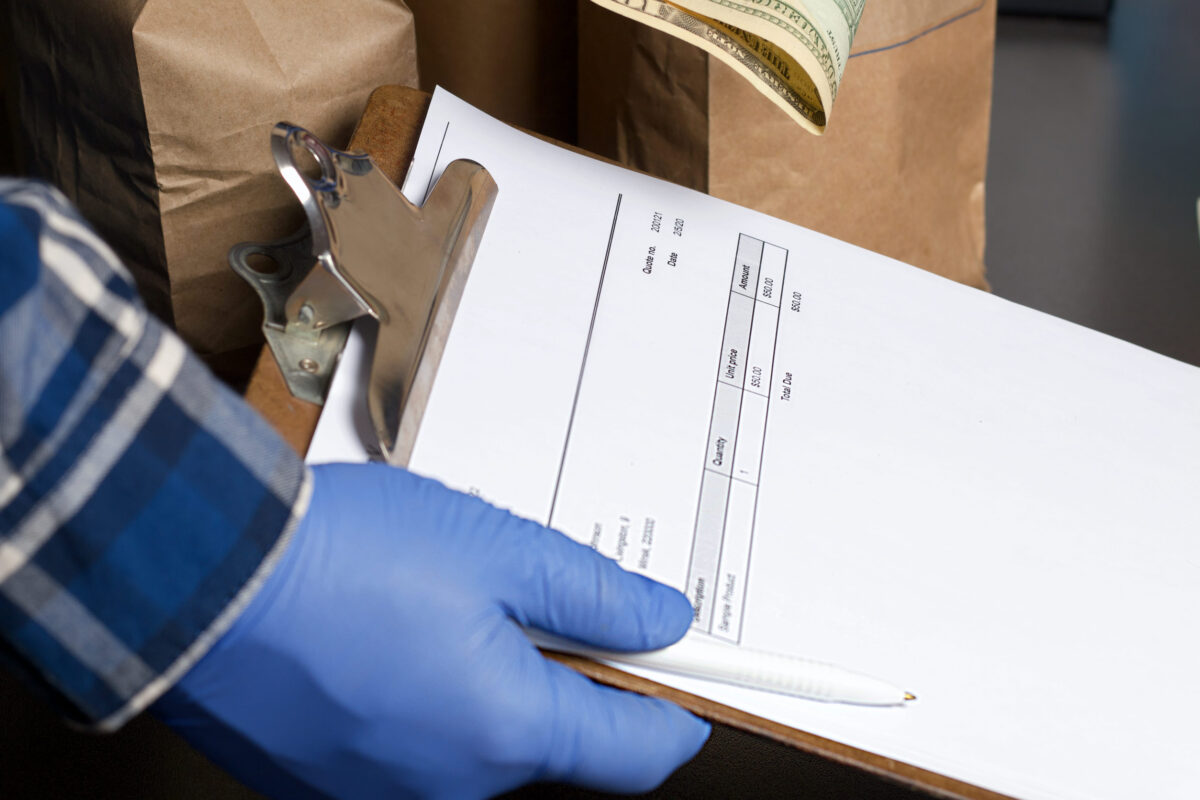
The receipt listed a $6 charge under “to-go box.”
According to reporting from the Charlotte Observer and Fox 9, the receipt included a $28 Cajun Alfredo, the additional $6 charge, a $1.02 service fee, $5.10 gratuity, and $3.15 in taxes.
The total came to $43.27.
The customer shared the receipt on Threads, where her post attracted widespread attention.
She jokingly declared, “I’m calling the police…this should be a CRIMEEEEE!”
While the comment appeared playful, her frustration was genuine. She wanted to know why taking home leftover food had apparently made her dinner more expensive.
And plenty of people online were curious about the same thing.
The Restaurant Says It Wasn’t Really a Box Fee
As the controversy gained attention, STATS responded with an explanation that changed the conversation.
According to the restaurant, the additional $6 wasn’t meant to cover the cost of a plastic or cardboard container.
Instead, it was connected to a promotional pasta special.
STATS offers a half-price pasta promotion intended for customers eating inside the establishment. According to its explanation, when food purchased under that promotion is taken away, the price can be adjusted to reflect the regular menu price.
The restaurant said the $6 was a computer-generated price adjustment, not a packaging fee.
In its statement, STATS explained that the promotion was designed for guests dining inside the restaurant.
The establishment maintained that the adjustment reflected its dine-in promotional policy.
However, one obvious problem remained.
The receipt didn’t say “promotional adjustment.”
It said “to-go box.”
And those two descriptions can mean very different things to someone trying to understand a restaurant bill.
The Customer Says She Never Ordered Takeout
Here’s where the disagreement becomes especially interesting.
The customer wasn’t ordering a discounted pasta meal to take away without dining inside.
She said she had already been eating at the restaurant and simply couldn’t finish her portion.
In comments reported by Fox 9, she explained that she hadn’t entered the restaurant intending to purchase a discounted takeout meal.
Her argument was straightforward: She ordered food, ate some, got full, and wanted to take the rest home.
From her perspective, that shouldn’t automatically turn her dine-in purchase into a takeout order.
The restaurant, meanwhile, defended its promotional pricing rules.
That leaves an important question hanging in the air.
When does a dine-in meal become a takeout meal?
Is it when someone orders food specifically to go? Or can that description also apply when a customer takes home leftovers?
It’s the kind of question most diners probably never consider until an unexpected charge appears on their receipt.
Why Clear Restaurant Receipts Matter
One of the biggest lessons from this incident has nothing to do with pasta.
It’s about communication.
Restaurants regularly offer discounts, happy-hour specials, promotional meals, and other deals that come with conditions.
Setting specific rules for a promotion isn’t unusual.
However, customers need to understand those rules before an unexpected charge appears.
A receipt labeled “to-go box” naturally suggests the customer paid for packaging. If the charge actually reflects a menu price adjustment, the receipt should say so clearly.
STATS acknowledged the confusion and promised to improve its system so future receipts would better explain price adjustments.
The restaurant also said it would communicate its promotional and gratuity policies more clearly.
That’s an important promise, although the available reporting does not establish whether those changes have already been implemented.
Fox News+1
What Diners Can Learn From the $6 Controversy
You don’t have to inspect every restaurant menu like you’re reviewing a legal contract.
Still, a few simple habits can help prevent uncomfortable surprises.
Before ordering a promotional meal, ask whether the discount comes with any restrictions. If you’re planning to share food or take leftovers home, it doesn’t hurt to clarify the restaurant’s policy.
And always glance at your receipt before paying.
Look for unfamiliar service fees, automatic gratuities, and extra charges that weren’t explained when you ordered.
If something seems wrong, politely ask your server or manager to explain it.
Sometimes an unfamiliar charge is legitimate but poorly labeled. Other times, it could simply be a billing mistake.
Either way, asking questions is reasonable.
The Bottom Line
The STATS controversy shows how quickly a small charge can become a much bigger conversation.
The restaurant maintains that its $6 adjustment followed its promotional pricing policy. The customer argues she was simply taking home leftovers from a meal she had already started eating.
Both explanations highlight why clear pricing matters.
Customers shouldn’t have to guess what they’re paying for, and restaurants shouldn’t assume everyone understands the fine print of a special offer.
After all, enjoying a plate of pasta should be easy.
The real question is whether asking for a box should change the dinner price.
Would you accept the restaurant’s explanation, or would you question the extra $6 on your receipt?