Vietnam Claims 4 Spots in Asia’s Top 100 Beverages, With Iced Coffee Leading the Way
Vietnam’s famous coffee culture has earned another international spotlight, this time with four traditional drinks gaining recognition across Asia. From intensely flavored iced coffee served on busy city streets to delicate lotus tea associated with Hanoi, Vietnamese beverages prove that memorable flavors don’t always require complicated ingredients.
In its September 2026 ranking of Asia’s 100 best beverage types, international food guide TasteAtlas recognized four Vietnamese drinks, with iced coffee reaching the top 10. The ranking drew on more than 12,000 public ratings, highlighting the remarkable variety of drinks found across the continent.
Four Vietnamese Drinks Earn International Recognition
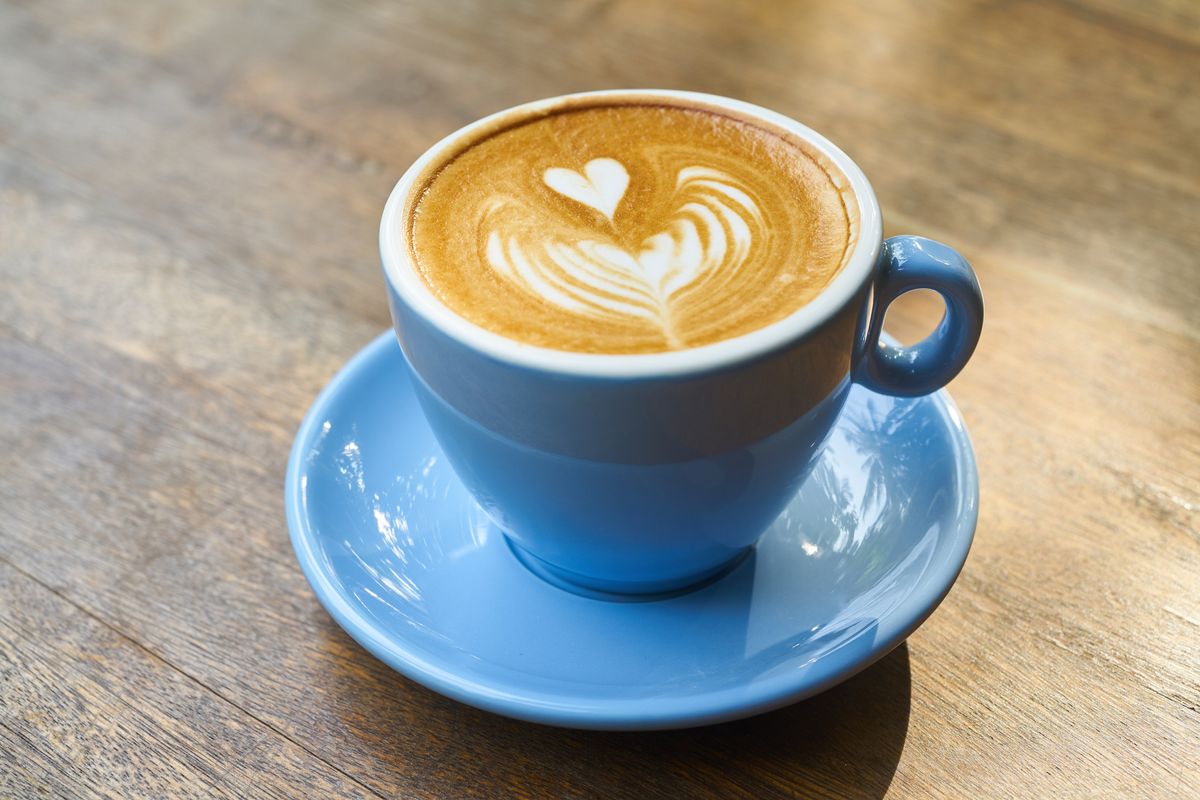
The September ranking recognized four beverages that represent different aspects of Vietnamese food culture.
Three were coffee-based drinks, while the fourth was a fragrant traditional tea.
Ranks reflect the September list reported by VnExpress. TasteAtlas updates its rankings periodically so positions can change.
The results are particularly interesting because the featured drinks offer completely different experiences.
Vietnamese iced coffee combines strong coffee with sweetened condensed milk and ice. Traditional black coffee emphasizes its bold roasted character, while egg coffee introduces a creamy topping that resembles dessert.
Lotus tea takes a gentler approach, using green tea infused with lotus-flower aroma.
Together, these selections highlight a beverage culture that extends well beyond the usual cup of coffee.
Vietnamese Iced Coffee Secures a Top 10 Finish
Among Vietnam’s four recognized drinks, cà phê sữa đá ranked highest, at number 10.
Anyone who has tried Vietnamese iced coffee knows that it delivers a distinctly different experience from the ordinary iced coffee served at many American cafés.
Traditionally, the preparation begins with ground coffee, often made from robusta beans, placed in a small metal brewing device called a phin.
Hot water slowly passes through the grounds, producing concentrated coffee that drips into a glass below.
Sweetened condensed milk creates a rich, creamy contrast to the coffee’s robust flavor.
Ice transforms the mixture into a refreshing drink particularly suited to Vietnam’s warm climate.
TasteAtlas gave the beverage a 4.2 out of 5 in its September listing, helping secure its spot among Asia’s top 10 drinks.
The combination of sweetness, bitterness, and strong coffee flavor makes it distinctive.
Unlike many coffee drinks built around steamed milk and flavored syrups, the traditional Vietnamese version relies on a relatively simple preparation.
For American coffee enthusiasts seeking something different from their everyday cold brew, cà phê sữa đá offers an interesting introduction to Vietnamese café culture.
Related Posts:The World’s Coffee-Loving Countries: Ten Places Where Coffee Runs the Show
Vietnamese Coffee Earns Recognition for Its Bold Flavor
Vietnamese coffee also earned its own spot on the list, ranking 18th in the September edition.
While iced coffee emphasizes condensed milk and ice, the broader Vietnamese coffee category celebrates the country’s distinctive brewing traditions and robust coffee character.
Coffee arrived in Vietnam during French colonial rule in the nineteenth century.
Over time, the crop became an important part of the country’s agriculture, economy, and daily routines.
Vietnam is now one of the world’s leading coffee producers, especially known for robusta beans.
Robusta coffee typically offers a stronger, more bitter flavor profile than the arabica varieties commonly emphasized in specialty coffee shops.
The traditional phin filter also contributes to the experience.
Rather than producing a drink in seconds, the filter allows coffee to drip gradually into a waiting cup.
That slow preparation has become closely associated with Vietnamese coffee drinking, whether enjoyed in a café or prepared at home.
For many visitors, the experience is as memorable as the coffee itself.
Egg Coffee Brings a Dessert-Like Twist to the Rankings
Perhaps the most surprising entry for anyone unfamiliar with Vietnamese drinks is egg coffee.
Known locally as cà phê trứng, this Hanoi specialty ranked 35th on the September list.
Despite its unusual name, egg coffee isn’t simply a raw egg dropped into a cup of coffee.
Traditional preparations combine strong brewed coffee with egg yolks and sweetened condensed milk, then whip them into a thick, smooth foam.
The resulting drink contrasts the bitterness of coffee with a rich, sweet topping.
Its origins are commonly traced to the 1950s, when milk shortages encouraged Hanoi bartender Nguyễn Văn Giảng to experiment with egg as an alternative.
His creation became associated with Café Giảng, the historic Hanoi establishment that still serves the specialty.
The drink reminds us that culinary creativity often grows out of practical circumstances.
What began as an alternative way to prepare coffee eventually became one of Vietnam’s recognizable specialties.
For visitors exploring Hanoi’s café scene, trying egg coffee has become a popular way to experience the city’s culinary heritage.
Its international ranking introduces that tradition to even more curious drinkers.
Lotus Tea Represents Vietnam’s Traditional Tea Culture
Coffee may dominate Vietnam’s entries, but lotus tea adds a different flavor to the list.
Ranked 69th in September, trà sen is a traditional green tea infused with the delicate fragrance of lotus flowers.
Its preparation reflects a long history of craftsmanship.
According to TasteAtlas, the practice dates to the reign of Emperor Tự Đức in the nineteenth century. Traditionally, people placed tea leaves inside lotus blossoms overnight, letting them absorb the flowers’ fragrance.
Modern production often involves mixing green tea leaves with lotus stamens, sometimes repeating the process several times to develop the desired aroma.
The resulting tea has a gentle floral character, with subtle vanilla-like notes.
Hanoi’s West Lake is particularly associated with high-quality traditional lotus tea.
Unlike the lively atmosphere around many coffee shops, lotus tea is closely tied to quiet appreciation, ceremonies, and special occasions.
Its inclusion demonstrates that Vietnam’s beverage traditions encompass both bold everyday refreshments and carefully prepared ceremonial drinks.
For tea enthusiasts, this delicate specialty offers a different perspective on the country’s culinary identity.
India Dominates the Top of the Asian Beverage Ranking
Vietnam wasn’t the only country receiving attention in the September TasteAtlas list.
India claimed the top three spots, underscoring the popularity of its traditional drinks.
Mango lassi secured the number-one spot. The creamy beverage combines yogurt with ripe mango and sometimes cardamom, producing a sweet drink typically served chilled.
Masala chai followed in second place.
This familiar Indian beverage combines black tea, milk, sugar, and aromatic spices such as ginger, cinnamon, cloves, and cardamom.
Meethi lassi, another yogurt-based drink, claimed third place in the September ranking.
The strong showing reflects Asia’s extraordinary range of beverage traditions.
From spiced teas to fruit-based refreshments and intensely brewed coffees, the continent offers an enormous variety of ingredients and preparation methods.
Vietnam’s four entries stand alongside these celebrated beverages, highlighting the distinct character of its coffee and tea culture.
How TasteAtlas Determines Its Rankings
Unlike a competition judged exclusively by a small panel of experts, TasteAtlas bases its beverage rankings primarily on audience ratings.
The platform says its system tries to identify legitimate users, filter out manipulated ratings, and give more weight to contributors considered knowledgeable about food.
According to Vietnamese reporting, the original September list drew on 12,173 ratings, with 7,809 accepted as legitimate.
Why These Vietnamese Beverages Matter to American Coffee Lovers
Vietnamese coffee has become increasingly recognizable outside its home country, including in the United States.
Vietnamese restaurants and specialty cafés introduce American customers to condensed-milk coffee, phin brewing, and other traditional preparations.
For someone accustomed to espresso drinks, robusta coffee’s intense character can offer a new experience.
Egg coffee offers another introduction, while lotus tea appeals to those who enjoy fragrant traditional teas.
These beverages connect not just through their ingredients. Each carries a story about the country’s history, local customs, and evolving tastes.
From Hanoi’s historic coffeehouses to traditional tea-making around West Lake, Vietnam’s drink culture reflects generations of creativity.
The TasteAtlas recognition gives international audiences another reason to explore those traditions.
Vietnam may have secured four places on Asia’s top 100 list, but the larger story is the remarkable variety found in just one country’s cups.
For anyone curious about Vietnamese flavors, a glass of iced coffee, a serving of egg coffee, or a fragrant cup of lotus tea could be the perfect place to begin.
Posts You Might Like:
Health Benefits of Coffee: 5 Ways Your Daily Cup May Do More Than Boost Energy
9 Coffee Mistakes You Need to Stop Making, According to Health Experts