5 Restaurant Jokes Servers Are Tired of Hearing, According to The Takeout
Going out to eat should be enjoyable. Customers want good food, friendly service, and perhaps a little conversation while they wait for their meals. Sometimes, that conversation includes a joke intended to make the server smile.
Unfortunately, not every joke is as funny as the person telling it believes.
Restaurant servers interact with dozens of customers during a shift, and some of the same jokes come up again and again. What sounds hilarious to one customer may be something a server has already heard several times that evening.
In an April 2022 article, The Takeout asked several servers about the jokes they were tired of hearing from customers. The responses revealed a handful of familiar lines that might be better left out of the conversation.
Here are five jokes that restaurant workers say have become particularly predictable.
“Clearly, We Hated It!” When the Plates Are Empty
Imagine finishing your entire meal. Your server approaches the table, notices the empty plates, and politely asks how everything was.
Instead of simply saying the food was good, someone responds, “Clearly, we hated it!”
The joke is meant to be playful. The customer has obviously enjoyed the meal, so pretending otherwise seems like harmless humor.
However, servers hear this line so frequently that it has lost much of its originality.
In her article, The Takeout writer Marnie Shure recalled making the same joke with her family before discovering that servers reportedly hear it repeatedly throughout their shifts.
For someone working a busy restaurant floor, the same punchline can become predictable very quickly.
A simple compliment about the food may be more appreciated than another attempt at the familiar joke.
Related: Brutally Honest Words and Phrases That Make You Instantly Lose Respect
Making a Joke About the Server’s Name
When a server introduces themselves, it is usually an opportunity to make the interaction more personal.
But some customers immediately turn that introduction into a joke.
For example, if a server introduces herself as Delilah, a customer might start singing or referencing the popular song “Hey There Delilah.”
The problem is that the server may have heard the same reference countless times.
A name is a basic part of someone’s identity, and repeatedly turning it into a punchline can become tiresome.
The Takeout points out that servers should be able to introduce themselves without automatically anticipating another predictable name-related joke.
There is nothing wrong with friendly conversation, but a genuine greeting can make a better first impression.
Pretending Something on the Bill Was Never Ordered
This one might seem funny to customers, but it can create unnecessary confusion.
A server brings the check, and someone suddenly points at an item and announces:
“Hold on! I never ordered that!”
The customer then waits a moment before revealing that it was only a joke.
The problem is that restaurant employees regularly deal with genuine complaints about incorrect orders and billing mistakes.
When someone pretends there is a problem, the server may initially believe that something has gone wrong.
They might start checking the order, reviewing the bill, or trying to fix an issue that doesn’t exist.
As The Takeout explains, jokes that resemble genuine customer complaints can create unnecessary anxiety for workers.
If something really is incorrect, customers should absolutely speak up. But pretending there is a billing mistake simply for entertainment is unlikely to make a server’s evening easier.
Related: The real reason people suddenly cut ties as they get older usually comes down to these 9 things
“I Thought This One Was on You!”
Another familiar restaurant joke involves pretending that the server is supposed to pay the bill.
Sometimes customers point toward the server and announce that the meal was supposed to be free. Others gesture toward someone at another table and suggest that the stranger is covering their dinner.
The server is then expected to smile and come up with a clever response.
But what exactly are they supposed to say?
They cannot seriously agree to pay the bill, and responding too directly could make an otherwise friendly interaction awkward.
According to The Takeout, these jokes often leave servers with very little room to respond beyond a polite smile.
Customers may think they are creating a funny moment, but employees are still responsible for keeping the interaction professional.
There are plenty of ways to make conversation with restaurant staff without putting them in that position.
“I Guess I’ll Have to Wash Dishes!”
This is probably one of the oldest jokes associated with restaurant bills.
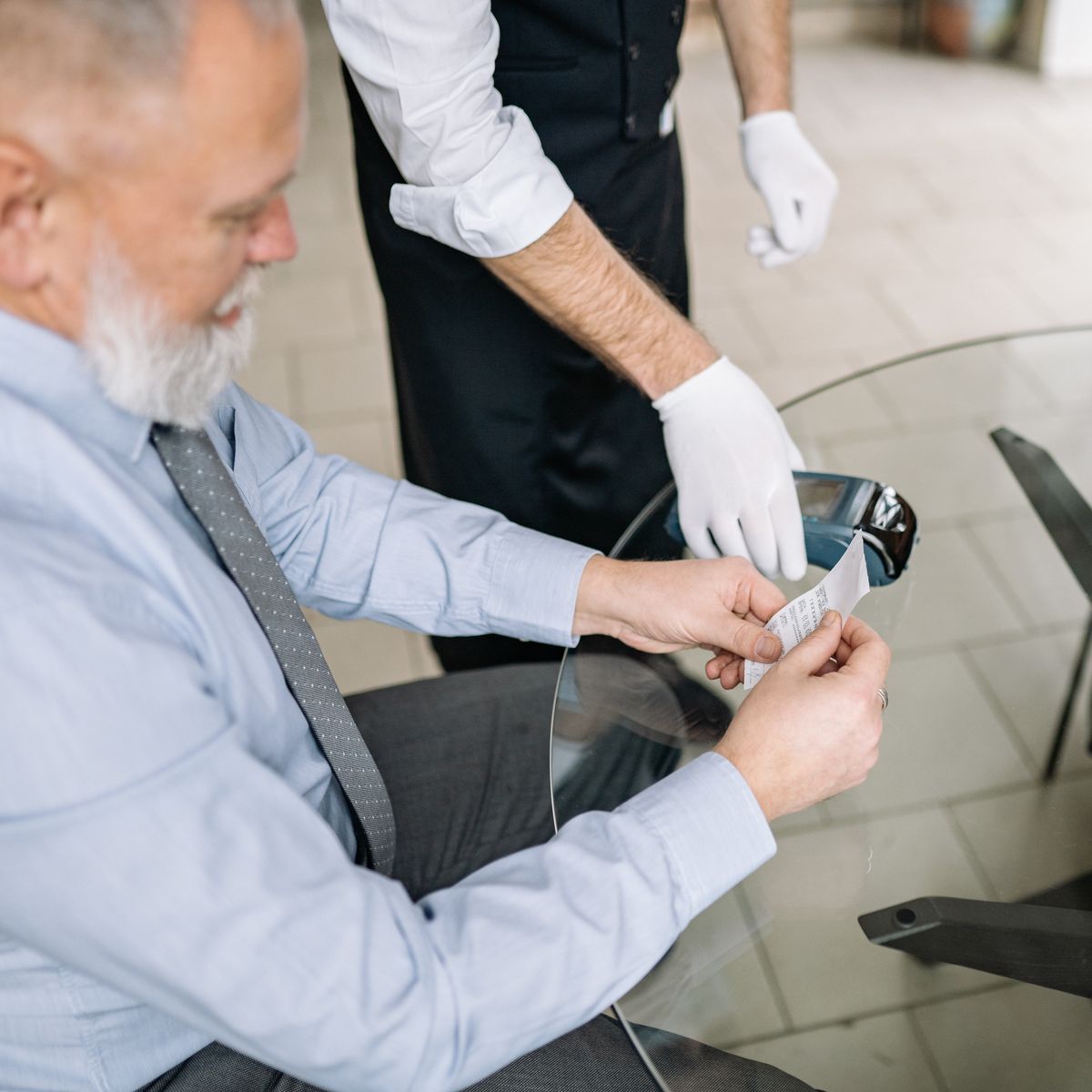
The server places the check on the table, and the customer looks at the total before announcing:
“I guess I’ll have to wash dishes!”
The joke suggests that the customer cannot afford to pay and will have to work in the kitchen instead.
It may have sounded amusing years ago, but many servers consider it an outdated punchline.
After all, restaurants do not ordinarily ask customers to wash dishes when they cannot pay their bills. The employee is simply trying to complete the transaction and move on to the next table.
The Takeout includes this among the jokes servers would rather not hear again.
A straightforward payment, a thank-you, and perhaps a genuine compliment are usually enough to end the meal on a positive note.
Why These Jokes Can Become So Annoying

The interesting thing is that most of these jokes aren’t necessarily offensive.
A customer making one of them may genuinely believe they are being friendly. They might even receive a polite laugh from the server.
However, restaurant employees have to interact with different personalities throughout their shifts. They may serve families celebrating birthdays, couples enjoying dinner, business groups, and customers who are having difficult days.
That means the same jokes can become repetitive, particularly when employees are already managing orders, answering questions, clearing tables, and handling customer complaints.
There is also an important difference between laughing because something is genuinely funny and laughing because the job requires you to stay pleasant.
Servers are not responsible for entertaining every table. Their primary responsibility is to provide service and help customers enjoy their meals.
Related: 4 “Polite” Thanksgiving Habits Everyone Secretly Finds Rude
A Little Courtesy Can Make Dining Out Better
None of this means customers should stop joking or having conversations with restaurant employees.
A little humor can make dining out more enjoyable for everyone. The important thing is recognizing that restaurant workers are people, not an audience expected to laugh at every familiar punchline.
Asking about a menu recommendation, complimenting a dish, or simply thanking someone for their service can create a much better interaction.
And if a joke comes naturally, you don’t need to turn every restaurant visit into a serious affair. Just remember that the person serving your table may have heard the same line many times before.
Have you ever used one of these jokes at a restaurant? And if you’ve worked as a server, which customer joke did you get tired of hearing?