Oatmeal vs. Grits: Which Breakfast Favorite Is the Better Choice?
Oatmeal and grits have been breakfast staples in American kitchens for generations. One is often served with brown sugar, fruit, or cinnamon, while the other is a Southern favorite frequently enjoyed with butter, cheese, or eggs.
Both are simple, comforting, and easy to prepare. But when it comes to protein, which one actually comes out on top?
The answer might surprise anyone who assumes these two breakfast favorites are almost identical.
According to USDA-derived food composition data, a cup of plain oatmeal contains approximately 5.9 grams of protein, while a cup of cooked enriched white grits provides about 4.4 grams.
That gives oatmeal the lead, although the difference is smaller than you might expect. And when you look beyond the basic numbers, the comparison becomes even more interesting.
Oatmeal Takes the Lead
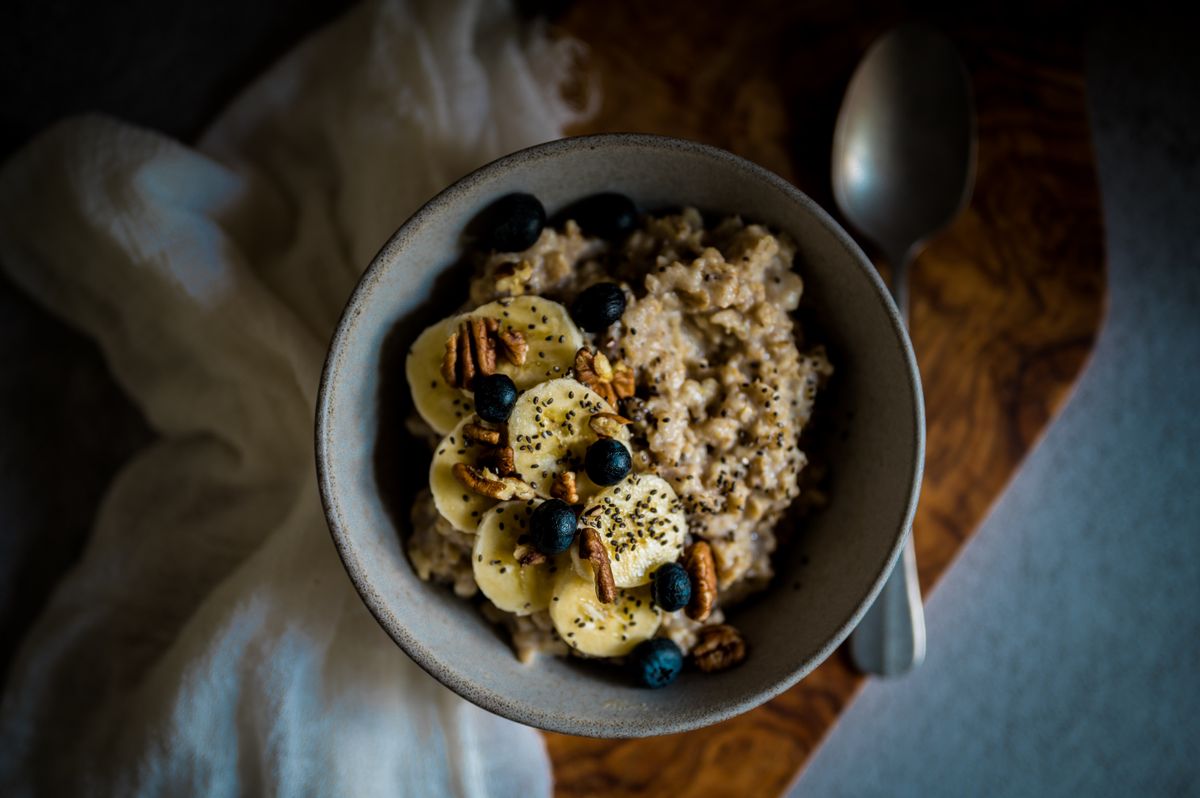
When comparing oatmeal and grits, it’s important to start with equal serving sizes and similar preparation methods. For a fair comparison, consider one cup of each cereal cooked with water, without salt, milk, butter, or other additions.
According to USDA-derived nutritional data published by MyFoodData, one cup of cooked oatmeal provides approximately 5.9 grams of protein. Oatmeal provides approximately 1.5 grams more protein per cup in this comparison.
However, that doesn’t mean every bowl of oatmeal contains exactly the same amount. Brands, preparation methods, and serving sizes can change the numbers.
Oatmeal Also Contains More Fiber
Protein isn’t the only difference between these familiar breakfast dishes. The USDA-derived comparison also shows that oatmeal contains approximately 4 grams of fiber per cooked cup, compared with 2.1 grams in enriched white grits. That’s nearly twice as much fiber in the oatmeal serving.
Oats also contain a type of soluble fiber called beta-glucan, which is naturally present in the grain. However, the amount of beta-glucan shouldn’t be confused with the total fiber listed on a nutrition label. They’re different measurements.
Another interesting difference involves fat content. Oatmeal contains approximately 3.6 grams of total fat per cup, while the enriched white grits contain about 1.2 grams.
These differences reflect the natural composition of the grains and the way they’re processed. It’s also worth remembering that plain oatmeal and grits are rarely the final versions people put on their breakfast tables.
Not All Grits Are Created Equal
One reason breakfast comparisons can become confusing is that grits come in several varieties. Walk through a grocery store, and you’ll probably notice labels such as stone-ground, regular, quick, instant, and enriched.
Although these products share a name, they aren’t necessarily identical. Stone-ground grits are traditionally made by grinding corn between stones, while regular supermarket varieties often undergo additional processing.
Quick grits are ground more finely to reduce cooking time, while instant grits are precooked and dehydrated. Enriched grits have selected nutrients added during processing.
According to Southern Living’s explanation of different grits varieties, the grinding method and processing help distinguish these products. The nutritional figures can also vary.
For example, a separate USDA-derived entry for cooked enriched yellow grits lists approximately 2.9 grams of protein per cup, compared with 4.4 grams for the enriched white grits used in the main comparison.
That’s why checking the exact variety matters more than assuming every package labeled “grits” contains identical amounts.
Enriched Grits Have Their Own Interesting Numbers
Although oatmeal leads the basic protein comparison, enriched grits have a few surprises of their own. Enrichment involves adding selected nutrients to a grain product during manufacturing. For example, the USDA-derived figures show that enriched white grits contain approximately 97.7 micrograms of folate per cooked cup, compared with 14 micrograms in the reference oatmeal serving.
Enriched white grits also contain more niacin and slightly more thiamin in this particular comparison. That doesn’t mean grits automatically contain more of every vitamin or mineral. Oatmeal has higher recorded amounts of magnesium, phosphorus, and zinc in the same reference entries. The important distinction is that these values describe specific cereal preparations. Switching brands, varieties, or enrichment methods may produce different results.
What You Add to Your Bowl Can Change Everything
Here’s where the breakfast debate gets particularly interesting. Plain oatmeal might contain more protein than plain grits, but most people don’t eat either cereal without adding something. A bowl of grits topped with eggs or cheese is very different from a bowl served with butter alone. Consider one large hard-boiled egg.
According to USDA-derived food data, it contains approximately 6.3 grams of protein. Combine that egg with one cup of the reference enriched white grits, and the meal contains approximately 10.7 grams of protein. That’s considerably more than the 5.9 grams in a cup of plain oatmeal.
Cheddar cheese offers another example. A one-ounce serving contains approximately 6.5 grams of protein, although the amount varies by product. Meanwhile, a tablespoon of butter adds approximately 0.12 grams of protein. The same principle applies to oatmeal. Adding milk, almonds, or other ingredients changes the finished bowl’s nutritional figures. So while oatmeal wins the plain-cereal comparison, the complete meal can tell a different story.
Even Dry Servings Tell a Different Story
Another common mistake is comparing a dry serving of one cereal with a cooked serving of another. Those measurements aren’t interchangeable. For example, a USDA branded-food listing for Quaker Old Fashioned Oats shows that a 40-gram dry serving contains approximately 5 grams of protein.
A separate listing for Quaker Quick 5-Minute Grits shows approximately 3 grams of protein in a 37-gram dry serving. Both are packaged-product examples, not the same reference foods used for the cooked-cup comparison.
The difference matters because grains absorb water during cooking, changing their volume and weight.
A half-cup of dry oats shouldn’t be compared directly with a half-cup of cooked grits without accounting for preparation. For the most accurate comparison at home, check the serving size printed on each package.
So, Which Breakfast Favorite Wins?
When the question is simply which plain cereal contains more protein, oatmeal takes the crown.
The USDA-derived comparison gives oatmeal approximately 5.9 grams per cooked cup, compared with 4.4 grams for enriched white grits. But there’s no need to declare one breakfast favorite the universal winner.
Grits remain a versatile Southern classic, while oatmeal offers countless ways to create a sweet or savory breakfast.
Ultimately, the type of grain, portion size, cooking method, and ingredients you add determine what ends up in your bowl.