Traveler Checks Into a San Jose Best Western and Finds No Employees, Just a Kiosk With a Clerk on Zoom, Sparking Debate About Hotel Service
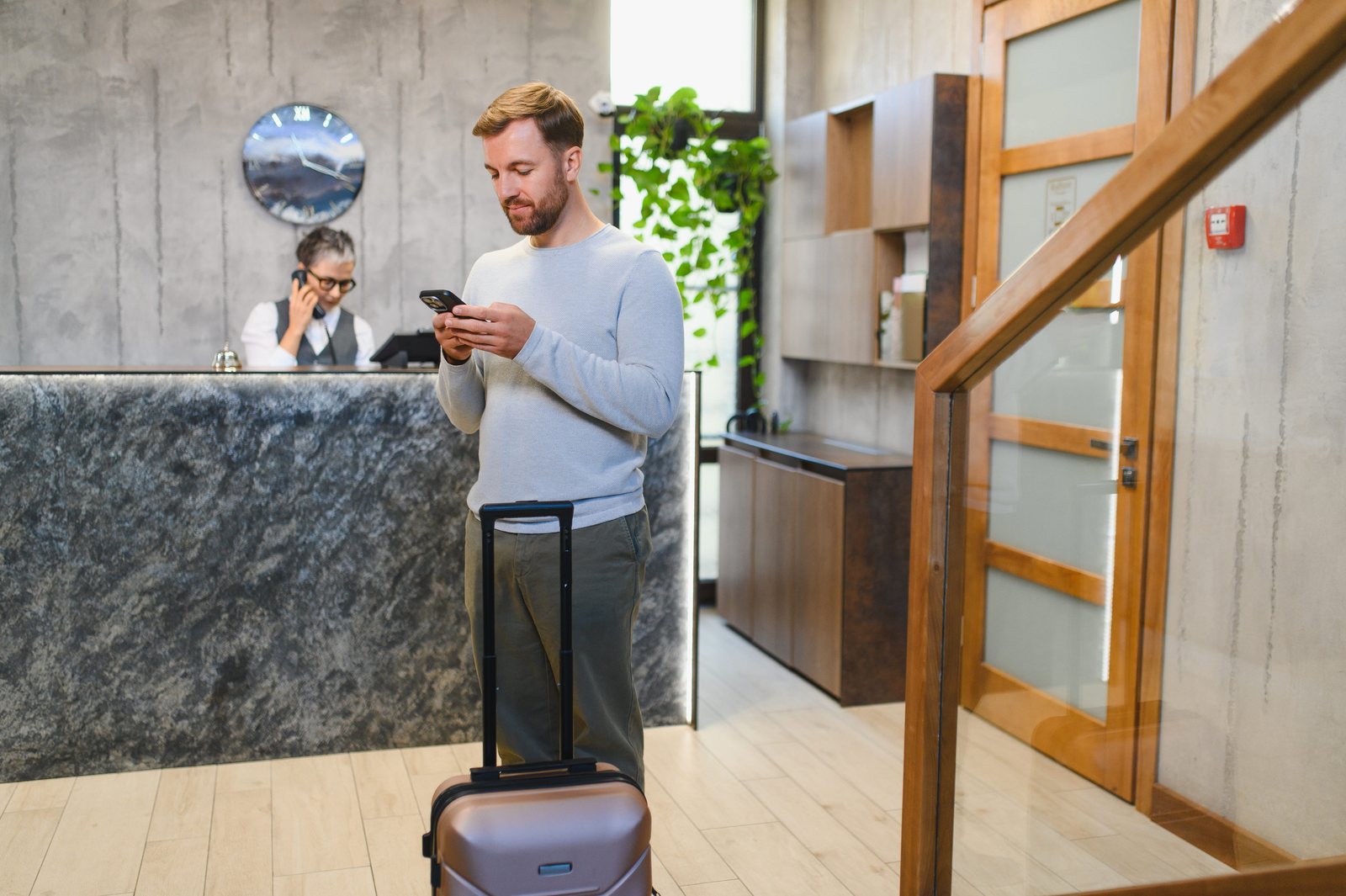
You pull into the hotel after a long drive, roll your suitcase to the front desk, and look around for someone to say hello. Nobody’s there. Instead, a screen lights up and a clerk greets you from somewhere else entirely.
That’s what a TikTok creator who posts as @higherupwellness on TikTok says happened at a Best Western in San Jose, California. His Nov. 14 video had passed 228,000 views when BroBible reported on it, and the comments turned into a debate about what we should expect when we pay for a room.
The video only shows his side of one check-in. It can’t tell us how that property is staffed overall, whether someone was on site in a back office, or whether the setup is something Best Western approves. BroBible says it emailed Best Western and didn’t report a reply.
1. The Front Desk Without a Front Desk Person
In the clip, he films the lobby and says, “I’m at a hotel in San Jose, and there are no employees.” Check-in runs through a self-service kiosk that connects guests to a remote worker over Zoom.
He calls the whole thing “dystopian and weird,” then asks the question a lot of travelers had: “Is this normal in California?”
2. The Clerk Is Real, Just Not in the Room
To be fair to the hotel, a person still handled his check-in. They just weren’t standing behind the counter. For guests who mostly want a key card and the Wi-Fi password, that might be enough.
For others, the front desk is the place you go when the shower won’t drain at 11 p.m. or you need a late checkout. That’s harder to sort out through a screen, and many commenters said exactly that. It’s the same worry behind plenty of complaints about customer service changes older Americans can’t stand, where a real person keeps getting harder to reach.
3. “Bring Back Human Connection”
That was the general mood in the comments. One popular reply, quoted by BroBible, called the setup “insane” and asked for human connection to come back.
Others went further and said they’d skip the brand next time. A few argued that businesses only change course when customers walk away, so speaking up and booking elsewhere is the only real vote a guest has.
4. It’s Not the First Time
This has happened before. In August 2025, a similar video showed a remote video check-in at a La Quinta in Sunrise, Florida. Frommer’s looked into that case and reported that the brand called the kiosk “not brand approved.” The spokesperson also said brand standards require a team member physically at the front desk at all times, and the owner agreed to remove it.
That’s a useful reminder that many hotel brands are made up of independently owned franchise properties. What one owner tries isn’t always company policy, and frequent travelers will tell you the same logo can feel very different from one exit to the next, much like the stories in places so terrible that travelers vowed never to return.
5. The Late-Night Problem
The biggest worry in the comments wasn’t check-in itself. It was everything after. Who do you call when a key card stops working or the room next door is throwing a party?
If you’re booking a budget property, it’s worth calling ahead and asking whether staff are on site overnight. Housekeepers and maintenance crews are often still there, even when the desk is quiet, and they see more than guests think, as anyone who’s read about what hotel housekeepers hate finding after checkout knows.
6. Some Travelers Shrugged
Not everyone was bothered. Some viewers said they’d take a fast kiosk over a long line any day, especially after a late flight. Others pointed out that airlines moved check-in to kiosks and apps years ago, and most people adjusted. Packing light with one of these 3-piece luggage sets for holiday trips makes a self-serve lobby feel a lot less lonely. Travelers who already have a personal-item survival kit for holiday flights down to a science may not mind one more self-serve step.
7. Why Hotels Are Trying This
Staffing is the short answer. A November 2026 Hospitality Net column on front desk staffing cites an American Hotel & Lodging Association survey in which more than half of hoteliers said their properties were somewhat or severely understaffed, even as most were offering higher wages.
The same piece cites vendor data showing that at U.S. hotels with kiosks installed, about 30% of reservations check in that way. So plenty of guests are already happy to tap a screen. A remote clerk is the next step, and it’s where many travelers draw the line.
8. What a Guest Can Actually Do
If a no-staff lobby isn’t for you, check recent reviews before you book. Guests usually mention it. You can also ask the hotel directly how check-in works and whether anyone is on the property overnight.
And if you arrive and something feels off, you can contact the brand’s customer care line. As the La Quinta case showed, brands sometimes don’t know what a franchise is doing until guests tell them.
9. So, Dystopian or Just Different?
For some travelers, a Zoom clerk is a sensible fix for a hard-to-staff job. For others, it misses the point of a hotel, which is having someone there when you need them.
He asked whether this is normal now. Judging by the comments, a lot of people hope the answer stays no. Would you check in with a clerk on a screen, or keep driving to the next exit?