10 Things You Should Never Buy Used
Thrift stores, yard sales and online marketplaces are full of bargains. A solid wood table, a cast iron skillet or a winter coat can cost a fraction of the new price and work just as well.
Some items are different. They may have been recalled, may have been made before today’s safety standards, or may carry damage you can’t see. The U.S. Consumer Product Safety Commission (CPSC), the National Highway Traffic Safety Administration (NHTSA) and the Federal Trade Commission (FTC) all flag a handful of products that deserve extra caution. Here are 10 to buy new, or at least check very carefully, before you hand over any cash.
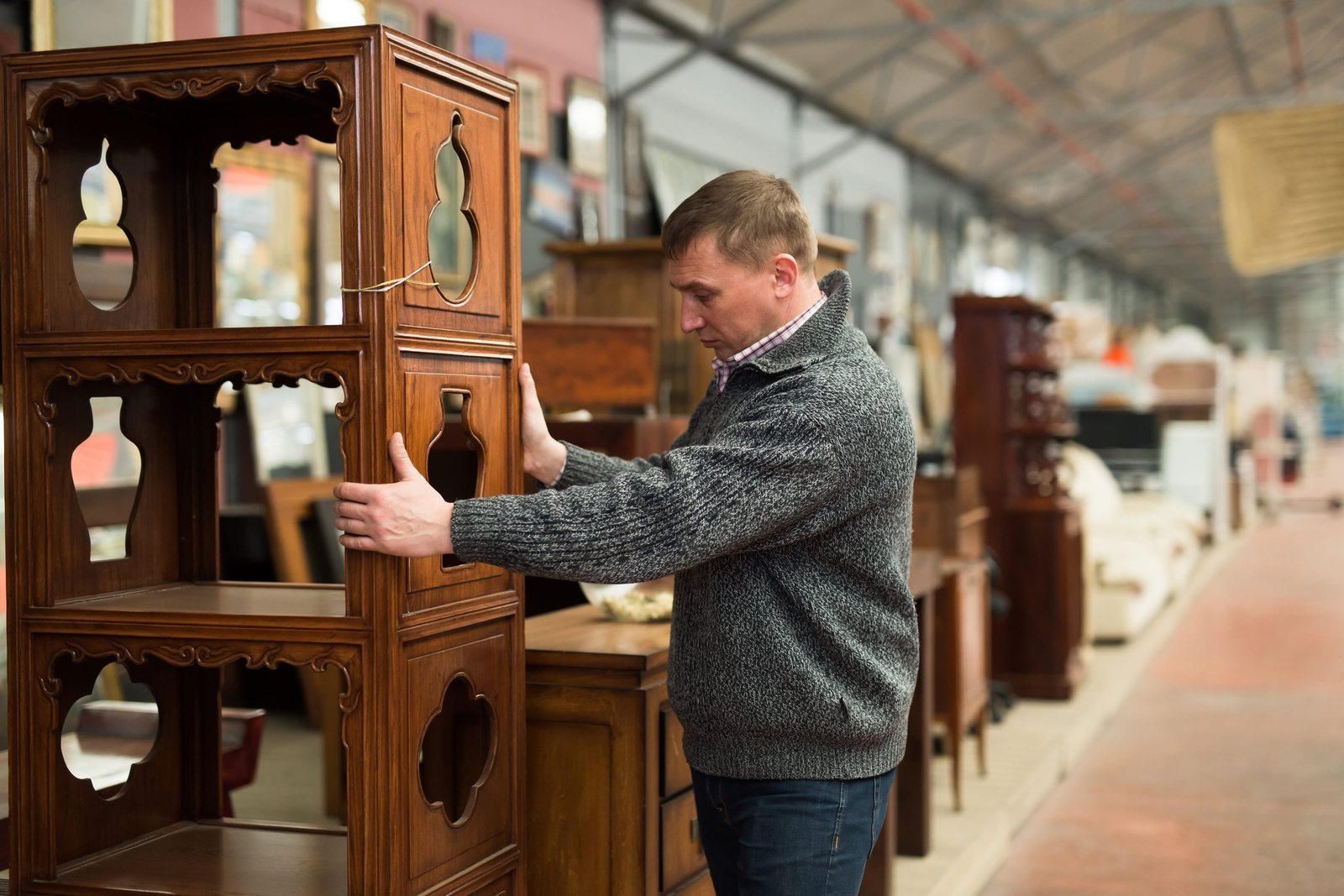
1. Car Seats
If grandchildren visit often, a spare car seat seems like an easy secondhand find. NHTSA’s used car seat safety checklist says a used seat may be OK only if you can check off every item, including that it has never been in a moderate to severe crash.
The seat also needs labels showing its date of manufacture and model number, all its parts, and no open recalls. Since you usually can’t verify a stranger’s crash history, many families simply buy this one new. It’s one of the items that even devoted bargain hunters skip, much like the shoppers in our list of things people over 60 refuse to buy brand new, who know exactly where secondhand makes sense.
2. Bicycle Helmets
A helmet is built to protect you once, and damage isn’t always obvious. In its guide for resellers, the CPSC tells secondhand sellers to destroy helmets with crash damage, such as a cracked or scuffed shell, frayed straps or broken buckles.
The same guide advises against reselling helmets more than five years old. A new helmet that meets the CPSC standard is an inexpensive purchase compared with what it’s meant to protect.
3. Older Cribs
Cribs are another item to approach carefully if you’re setting up a room for visiting family. The CPSC guide tells resellers to destroy any crib made before June 28, 2011, unless there’s written proof it meets current requirements, and says drop-side cribs aren’t allowed in the used market at all.
Look for the manufacture date on the crib’s label. If there’s no label, skip it. Plenty of other baby gear, from clothes to books, is fine to buy secondhand, and these clever frugal living tips point to where the real savings are.
4. Hair Dryers Without a Safety Plug
Modern hair dryers have a bulky, block-shaped plug for a reason. It contains an immersion-protection device, a circuit interrupter that cuts the power if the dryer gets wet. The CPSC tells resellers to destroy dryers that lack one, or that lack a recognized lab certification mark.
If a vintage dryer at an estate sale has a thin, ordinary plug, leave it on the table. Vintage decor is another story, and these home decor essentials to buy at the thrift store are much better finds.
5. Worn Extension Cords
Extension cords are easy to toss into a yard sale box, but they wear out. The CPSC guide tells sellers to inspect cords for fraying or cracks and destroy damaged ones, along with cords missing basic safety features like proper wire size, strain relief and polarization.
New cords are cheap, and you’ll know exactly how they’ve been used. If you’re the one clearing out the garage, this quick-start guide to selling on eBay can help you find buyers for the things that are worth reselling.
6. Discounted Gift Cards From Auction Sites
A $100 gift card listed for $80 sounds like a deal. The FTC advises shoppers to think twice about buying gift cards from online auction sites to avoid fake or stolen cards, and our guide to buying gift cards off the rack this Christmas explains why even new ones deserve a quick look.
Buy gift cards from sources you know and trust, and check that the packaging hasn’t been tampered with.
7. Hoverboards and E-Scooters Without Certification
Personal e-mobility devices run on large lithium-ion batteries. The CPSC points sellers to the UL 2272 safety standard for these devices, which was designed to reduce fire risk, and tells them to dispose of hoverboards that don’t carry a recognized lab’s certification mark.
If a used board doesn’t have that mark, or the battery looks swollen or damaged, pass on it.
8. Dressers Without a Recall Check
A sturdy used dresser can be a great find, but the CPSC notes that millions of dressers have been recalled due to tip-over hazards. Before buying, look up the brand and model on the CPSC recall list.
The CPSC also says taller clothing storage units should meet a stability standard, ASTM F2057, and recommends anchoring furniture to the wall with straps or brackets. Budget for an anchor kit with any dresser you bring home.
9. A Used Car Without a VIN Recall Check
A used car can be a smart buy, but check its recall history first. NHTSA lets you enter the 17-character VIN, found on the lower left of the windshield, to see whether a vehicle has open safety recalls.
NHTSA says owners can contact a local dealership to fix a recalled part for free. Ask the seller to get any open recalls repaired before you buy, or plan to do it right away.
10. Anything on a Recall List
This one covers everything else. The CPSC reminds resellers that it is illegal to offer for sale, sell or distribute a recalled product, but recalled items still slip through at yard sales and online.
Before you buy any used appliance, space heater, baby product or piece of furniture, take a minute to search the CPSC recalls database. It’s free and quick.
The Bottom Line
Buying used is a great way to save money and keep good things out of landfills. Just buy safety gear new, check labels and certification marks, and look up recalls before you pay.