About 1 Billion Barrels of Oil Have Gone Missing, and the Global Energy System Is Still Struggling to Recover
More than 1 billion barrels of oil have effectively vanished from global circulation after months of disruption, leaving the world’s energy system under strain even as shipping routes begin to reopen.
The Strait of Hormuz is moving back toward normal operations following a U.S.–Iran memorandum of understanding, but the global oil market is still dealing with the aftermath of one of the largest supply shocks in modern history. What looks like a recovery on the surface is, in reality, a system still running on empty buffers.
A Supply Shock That Didn’t End When the War Stopped

The disruption to Middle East oil flows removed an estimated 1.15 billion barrels from global supply, forcing markets to rely heavily on stored reserves. Those inventories were meant to act as a buffer, not a lifeline, but they were quickly drawn down as supply routes collapsed.
Even now, as the Strait of Hormuz reopens, the system has not fully reset. Physical oil flows are restarting slowly, but the lost supply has already reshaped the global balance in ways that cannot be reversed overnight. In simple terms, the barrels may return, but not at the speed at which the world consumes them.
The Hidden Crisis: Inventories Are Still Falling Faster Than They Refill
One of the most overlooked dynamics in today’s oil market is a growing mismatch between expectation and reality. While headlines focus on reopening trade routes, global inventories are still under pressure. Storage levels across key hubs are tight, with some nearing operational stress thresholds.
In the United States, the Cushing, Oklahoma, storage hub, a critical distribution point for domestic oil, has reached levels where operational efficiency becomes harder to maintain. When storage gets too low, it is not just a supply issue; it becomes a logistics constraint. This creates a paradox: even as supply resumes, the system is still effectively running down its remaining cushion.
Diesel Tightness Is Quietly Driving the Real Pressure
Not all oil products are affected equally, and that imbalance is now becoming a key concern. Diesel inventories are significantly tighter than gasoline, and that matters far beyond fuel stations. Diesel powers freight transport, agriculture, shipping logistics, and large parts of global supply chains.
When diesel stocks tighten, the pressure doesn’t just stay in energy markets; it spreads into food prices, transportation costs, and industrial activity. This is why analysts are increasingly warning that headline oil recovery figures may hide a more fragile underlying structure.
The Market Paradox: Prices React to Headlines, Not Physical Reality
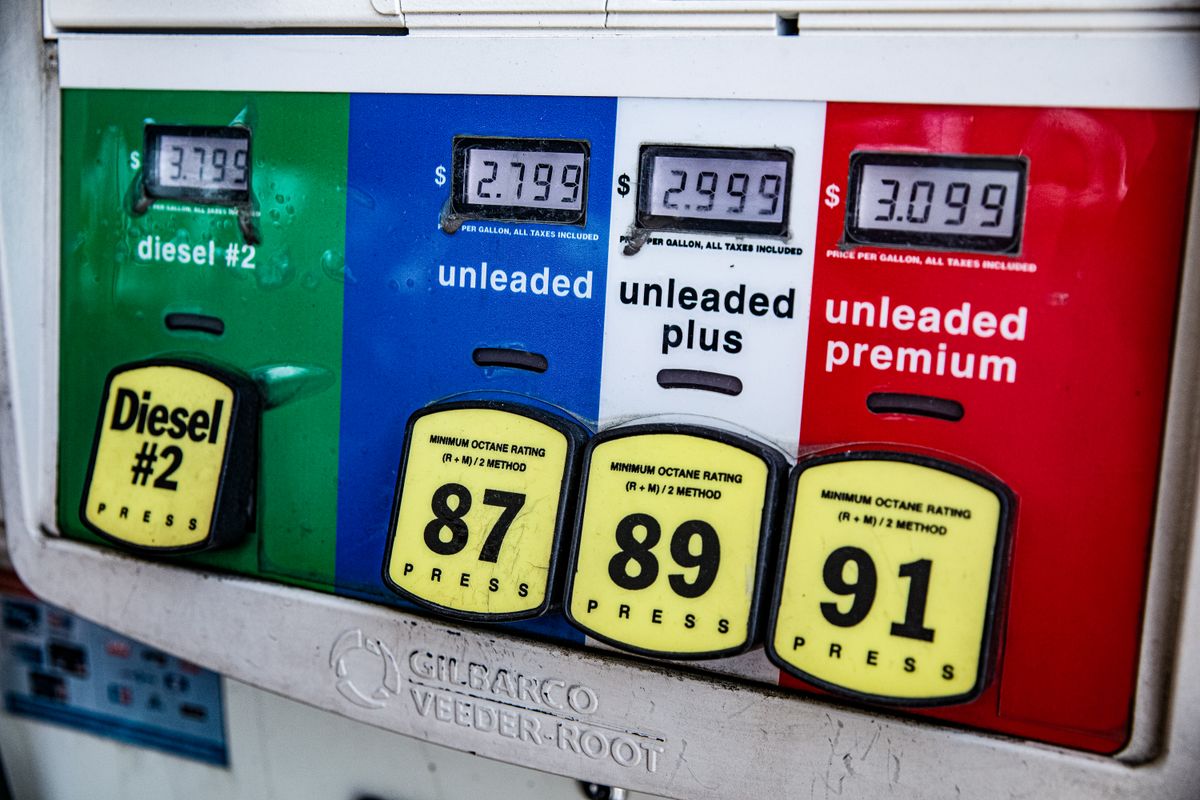
Oil prices have recently eased as traders respond to optimism surrounding diplomatic progress and the reopening of the Strait of Hormuz. But the physical market tells a different story. On paper, the outlook appears stabilizing. In reality, inventories remain depleted, recovery is uneven, and logistical bottlenecks continue to slow the return of supply.
This disconnect between financial markets and physical oil flows has created a gap that could eventually correct sharply. When sentiment moves faster than supply, volatility often follows.
The Math Problem Behind the Recovery
The scale of the missing supply makes recovery a slow, structural process rather than a quick rebound. Even under favorable conditions, rebuilding 1.15 billion barrels of lost oil requires sustained production increases over many months.
Global output may improve, but replenishing strategic and commercial reserves is not an immediate process. Storage systems, shipping capacity, and refinery throughput all limit how quickly barrels can return to balance. In practical terms, the system is not just refilling; it is rebuilding capacity while still serving demand.
Traders See Relief, But Physical Constraints Tell a Different Story
Energy traders are currently pricing in optimism: reopened shipping lanes, improving diplomatic signals, and expectations of rising supply from major producers. But physical market constraints are less flexible. Storage limitations, shipping delays, and refinery adjustments all slow the speed at which oil can actually move through the system.
That gap between market sentiment and physical reality is where the risk now sits. Historically, when these two forces diverge, the adjustment is rarely smooth.
OPEC and Supply Pressure Add a Second Layer of Uncertainty
Another factor complicating recovery is the expected response from major producers. Some OPEC members are positioned to increase output to take advantage of higher price conditions and shifting market dynamics.
However, additional production does not immediately resolve the inventory gap. It takes time for the new supply to move through global logistics networks and reach depleted storage hubs. In the meantime, markets remain exposed to short-term tightening even as long-term supply improves.
A System Running on Reduced Cushion
The most important shift in today’s oil market is not just the loss of barrels, but the loss of buffer capacity. Global energy systems rely on stored reserves to absorb shocks. With inventories now significantly depleted, that buffer is thinner than it has been in decades.
That means even small disruptions can now have outsized effects on pricing, availability, and market stability. This is why analysts warn that the system is not simply recovering; it is operating with less margin for error than before.
A Slow Return to Balance, Not a Quick Fix
Even with the Strait of Hormuz reopening and diplomatic progress underway, the global oil market is still working through the consequences of an unprecedented supply disruption.
Barrels are returning. But the system that once absorbed them easily is still rebuilding its strength.
Until inventories are fully restored and logistics normalize, the world’s energy market will remain in a delicate transition phase one where optimism and physical reality are still trying to find balance.