7 Dark Banana Stories That Make America’s Favorite Fruit Look Less Innocent
A banana feels like the safest food in the grocery store. It is cheap, sweet, easy to carry, and always sits there, having never caused trouble in its life. Americans toss it into lunchboxes, smoothies, cereal bowls, gym bags, and baby food without a second thought. Yet the banana has a history that is far darker than its cheerful yellow skin suggests.
Behind this everyday fruit are stories of labor violence, plantation exploitation, deadly accidents, racism, disease, toxic chemicals, and bizarre moments that sound almost too strange to be real. The banana is not just a snack. It is a tiny symbol of how something ordinary can carry a rotten past. Once we peel back the soft surface, the story gets uncomfortable fast.
Banana Peels Were Once More Dangerous Than a Cartoon Joke

The banana peel slip is one of the oldest jokes in American comedy. Someone steps on a peel, their feet fly up, and the whole scene turns into a laugh. But before it became a comedy routine, discarded banana peels were a real street hazard in crowded cities. People tossed food waste into public spaces, and slippery peels could cause brutal falls.
The darker part is that some falls reportedly led to serious injury and even death. That makes the joke less silly. A banana peel on a sidewalk could mean a broken bone, a head injury, or a fatal accident for someone unlucky enough to step on it wrong. The same peel that made audiences laugh also reminded cities that poor sanitation had real consequences.
Bananas Became a Racist Weapon in Sports Stadiums
A banana should never be a symbol of hate, but racism has a way of twisting ordinary things into ugly weapons. In soccer stadiums, Black players have been targeted with bananas and banana peels as racist insults. The act is meant to compare Black athletes to monkeys, reducing gifted professionals to a cruel stereotype in front of thousands of people.
One of the most famous moments came when Brazilian player Dani Alves had a banana thrown at him during a match in Spain. Instead of breaking down, he picked it up, peeled it, and ate it. His response was bold and unforgettable, but it did not erase the ugliness behind the act. The banana, in that moment, became proof that hate can hide in plain sight, even inside a cheering crowd.
Bananas Helped Fuel Forced Labor in Plantation Economies

Bananas were not always just a commercial crop. In parts of plantation history, they were used as cheap food for enslaved workers and laborers, forced to endure punishing days in the fields. Their sugar, calories, and convenience made them useful for keeping exhausted bodies moving.
That detail feels especially dark because the banana becomes part of the machinery of exploitation. It was food, but it was also fuel. It helped sustain people who were being denied freedom, comfort, and control over their own lives. The fruit’s sweetness clashes with the bitterness of the system around it. That contrast is hard to ignore.
Bananas Are Slightly Radioactive, Which Sounds Scarier Than It Is
This one is more strange than deadly, but it still grabs attention. Bananas contain potassium, and a tiny amount of that potassium is naturally radioactive. That means bananas are technically radioactive, though the amount is so small that eating them is not dangerous.
Still, the idea is hard to resist. The fruit sitting next to your morning coffee carries a microscopic trace of radiation. It will not turn anyone into a superhero, and it will not harm you under normal eating habits. But it does add a weird little shadow to a fruit most people think of as boring. Even the banana’s chemistry has a creepy twist.
Panama Disease Nearly Destroyed the Banana Americans Knew

The banana aisle looks steady, but the crop behind it is surprisingly fragile. For years, the Gros Michel banana was the dominant commercial variety. Then Panama disease spread through plantations, crushing the industry’s favorite fruit. The banana Americans buy today, the Cavendish, rose in large part because the old favorite became too vulnerable.
That should make shoppers pause. Most commercial bananas are genetically similar, which means disease can rip through them with frightening speed. A fungus does not care about breakfast routines, grocery chains, or smoothie habits.
It spreads through soil and roots, and once it takes hold, it can be extremely hard to stop. The banana looks reliable, but its future has always been more delicate than people think.
A Banana Truck Crash Turned a Simple Delivery Into a Nightmare
Most people see a banana truck and think of produce headed to a supermarket. In 1965, one truck loaded with thousands of pounds of bananas became part of a deadly accident in Scranton, Pennsylvania. The vehicle lost control while coming down a steep road, turning an ordinary delivery route into a terrifying scene of twisted metal, scattered fruit, injuries, and death.
The crash later became famous through Harry Chapin’s song“30,000 Pounds of Bananas,” which gave the tragedy a strange second life in American folk culture. That is what makes the story so haunting. The image sounds almost funny at first, like something from a cartoon. Then the reality lands. A man died. People were hurt. A fruit known for slapstick humor became part of a real human tragedy.
Banana Empires Helped Shape Politics in Ruthless Ways
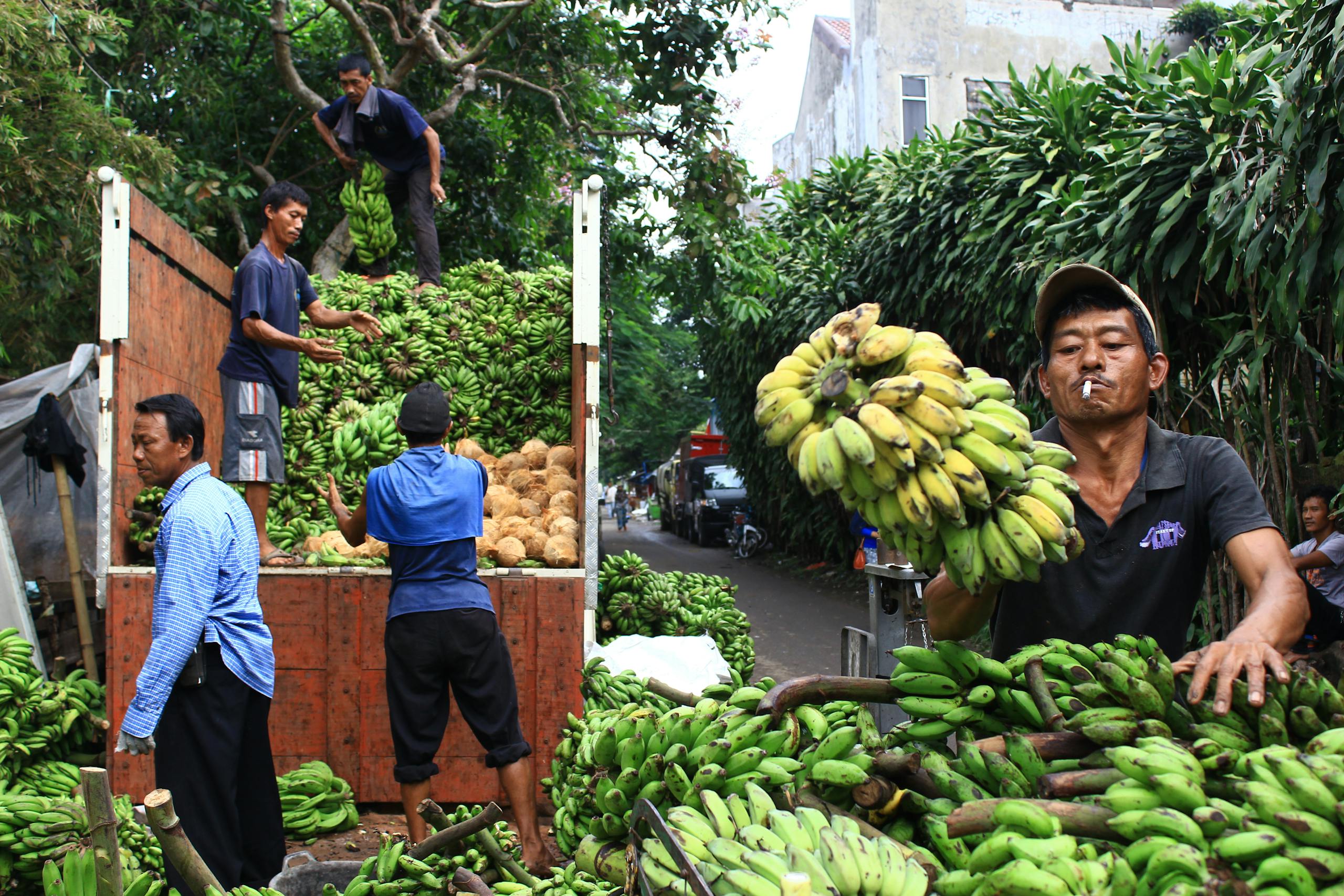
The darkest banana story is bigger than one crash, one peel, or one plantation. Bananas helped build powerful business empires that influenced politics across Latin America and beyond. Large fruit companies gained enormous control over land, labor, transport, and trade. In some places, their influence reached so deeply into government and military affairs that entire nations were shaped around the demands of the banana business.
That is where the cheerful fruit becomes a symbol of power. The banana helped create fortunes, but it also left behind stories of displacement, violence, poverty, and political interference. For American consumers, it was cheap and easy. For many workers and communities, it came with struggle. That is the rotten truth behind the yellow peel.
Key Takeaway
Bananas are still one of the most useful and beloved fruits in the world. They are affordable, nutritious, and easy to enjoy. But their history is far from innocent. Behind the fruit bowl sits a story of labor, disease, racism, danger, corporate power, and strange tragedy.
That is what makes the banana so fascinating. It looks simple, but its past is anything but simple. The next time one sits on your kitchen counter, it may look like breakfast. History knows it has been much more than that.