Only People Who Grew Up in the 1960s Remember These 10 Kitchen Rules
Every 1960s kitchen had its own set of rules, and nobody needed them written down. You learned them by watching, by helping and, now and then, by getting caught breaking one.
Many of those rules came from thrift, some from cookbooks and some from plain common sense. Here are 10 kitchen rules anyone who grew up in the 1960s will remember.
1. Measure It Level, Every Time
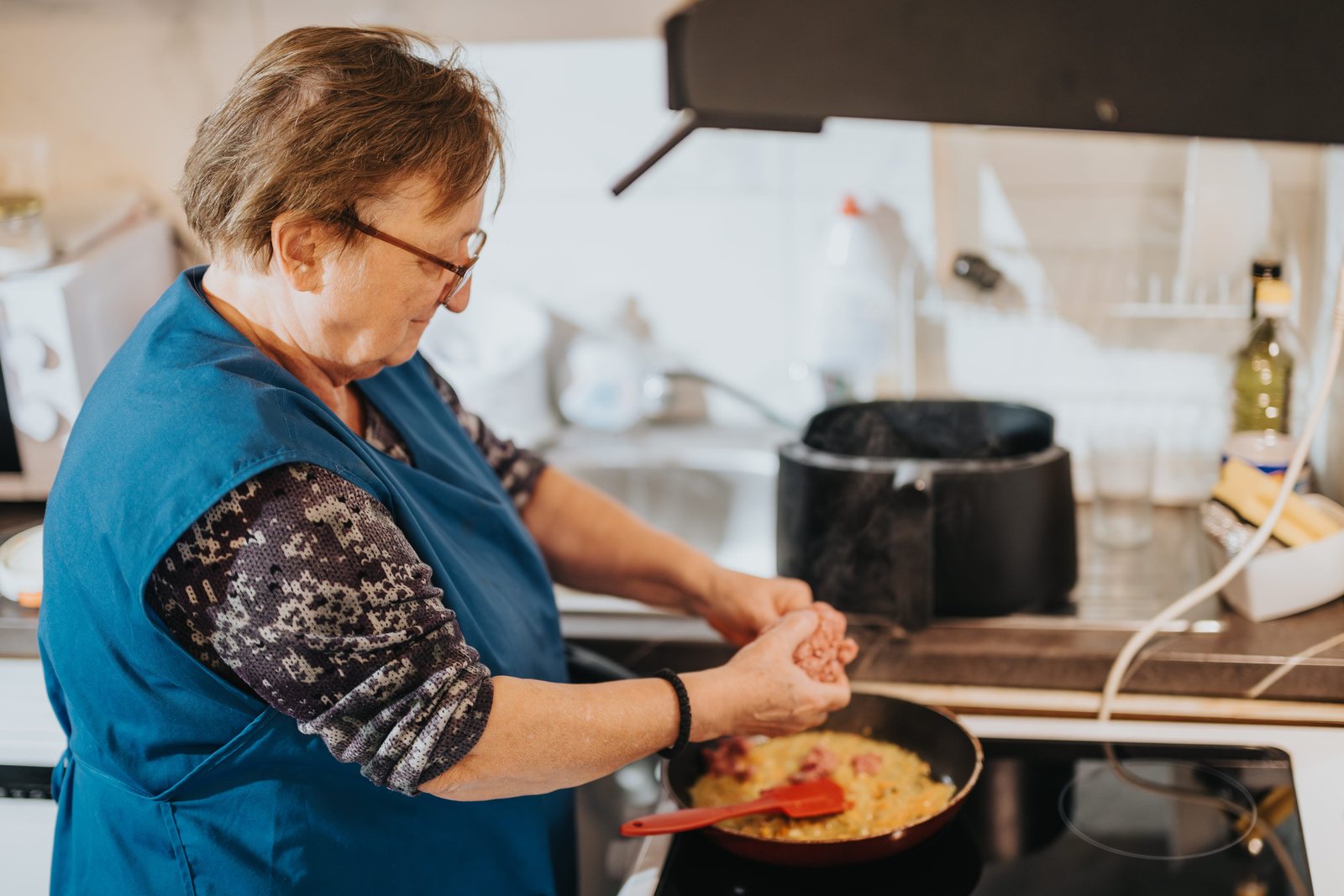
A heaping cup of flour was not a cup of flour. You spooned it in and leveled it off with the back of a knife, just the way the cookbook showed.
That habit owed a lot to Betty Crocker. General Mills says its “Big Red” Betty Crocker cookbook, first published in 1950 and updated in 1956 and 1961, taught standardized measurements and step-by-step techniques that made home baking more reliable.
2. The Bacon Grease Goes in the Can
Pouring grease down the drain was unthinkable. It went into a coffee can or a special crock by the stove, ready to flavor green beans, cornbread or fried potatoes.
That can was one of the most valuable things in the kitchen. Plenty of family recipes started with a spoonful of it, much like the frugal cooking behind humble foods that even the wealthy eat.
3. Everyday Dishes for Family, Good China for Company
The good china lived in the hutch and came out only for holidays and guests. On ordinary nights, families ate off sturdy plastic plates instead.
The Henry Ford museum’s collection includes a circa-1960 Melmac dinner service in turquoise, yellow, pink and white, made of “shatterproof, lightweight melamine.” It was the kind of set nobody worried about dropping, and it often turned up at gatherings like the 1960s bridge club parties when the hostess wanted something cheerful.
4. Save the Green Stamps
The stamps you got at the grocery checkout went straight into a drawer until someone licked them into saver books. Those books were traded for lamps, toasters and even bicycles.
According to Smithsonian magazine, S&H had about 800 redemption centers in the 1960s, and customers redeemed more than a billion stamps every week.
5. Nothing Gets Wasted
Leftover roast became hash, stale bread became bread pudding and the last of the vegetables went into soup. Throwing out food was a small household crime.
Many cooks of that era also made things at home instead of buying them, like the things Grandma never bought at the store because hers were better.
6. Reuse the Foil and the Wax Paper
A sheet of aluminum foil could be wiped off, folded and used again. Bread bags, twist ties, rubber bands and margarine tubs were all saved for another day.
The kitchen drawer full of carefully folded foil is a memory many people share. It is also one of the Boomer habits that are making a comeback as families look for ways to cut waste.
7. Don’t Stand There With the Refrigerator Door Open
“Are you trying to cool the whole house?” Every kid heard it. You decided what you wanted before you opened the door, grabbed it and shut it fast.
It was about the electric bill and keeping food cold. Some things never change, and it is still one of the kitchen mistakes that make us cringe today.
8. Never Open the Oven While the Cake Is Baking
Peeking was strictly forbidden. A cake that fell because someone opened the oven door too soon was a family tragedy.
Kids were told to walk softly past the oven and not slam doors while a cake was rising. Whether or not footsteps really mattered, nobody wanted to be blamed.
9. Dishes Get Done Right After Supper
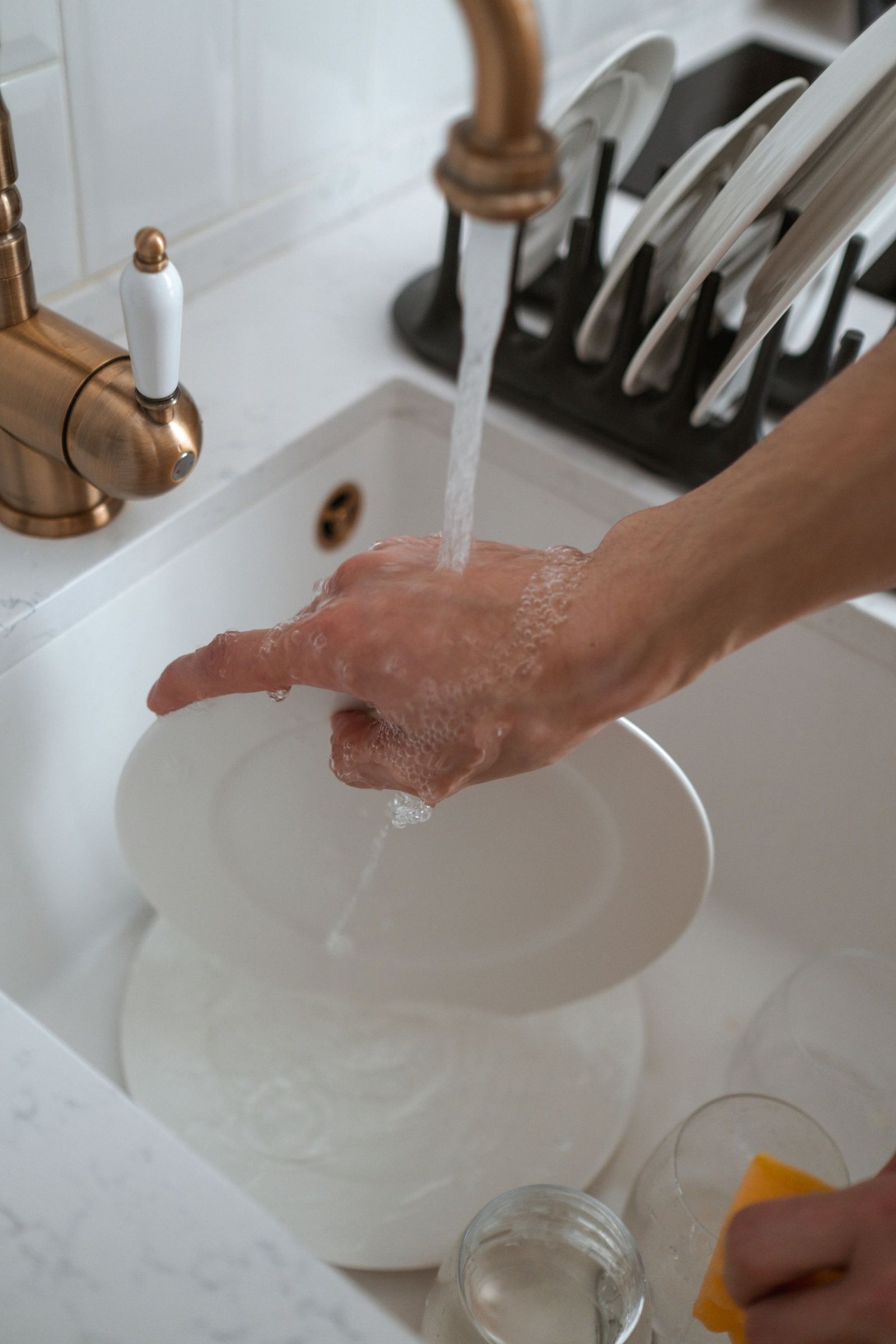
Nobody left dirty dishes in the sink overnight. As soon as the meal was over, one person washed, another dried with a dish towel and someone else put everything away.
Those few minutes at the sink were often when the best family conversations happened. Arguing over who washed and who dried was part of the ritual, too.
10. Clean as You Go
A good cook wiped the counter, rinsed the bowl and put the flour away before moving to the next step. By the time dinner hit the table, the kitchen was nearly clean.
It is still the best kitchen advice there is, and anyone who learned it in a 1960s kitchen probably still does it without thinking.
Rules Worth Keeping
The 1960s kitchen ran on thrift, patience and a few firm rules. Some sound old-fashioned now, but many of them still save money, time and a lot of cleanup. Chances are you still follow a few of them yourself.