9 Things Grandma Never Bought at the Store Because Hers Were Better
There was a time when buying certain foods at the store felt almost like an insult. Grandma could make them herself, they tasted better, and she knew exactly what went into them. Store-bought versions were for people who didn’t know how, didn’t have time or, in her eyes, simply didn’t care enough.
Plenty of those homemade staples have since become things most families pick up without thinking. A jar of jam, a loaf of bread or a carton of chicken broth costs a few dollars and saves hours of work. But ask anyone who grew up eating Grandma’s version, and they’ll tell you the store can’t compete. Here are nine things many grandmothers refused to buy because theirs were simply better.
1. Bread
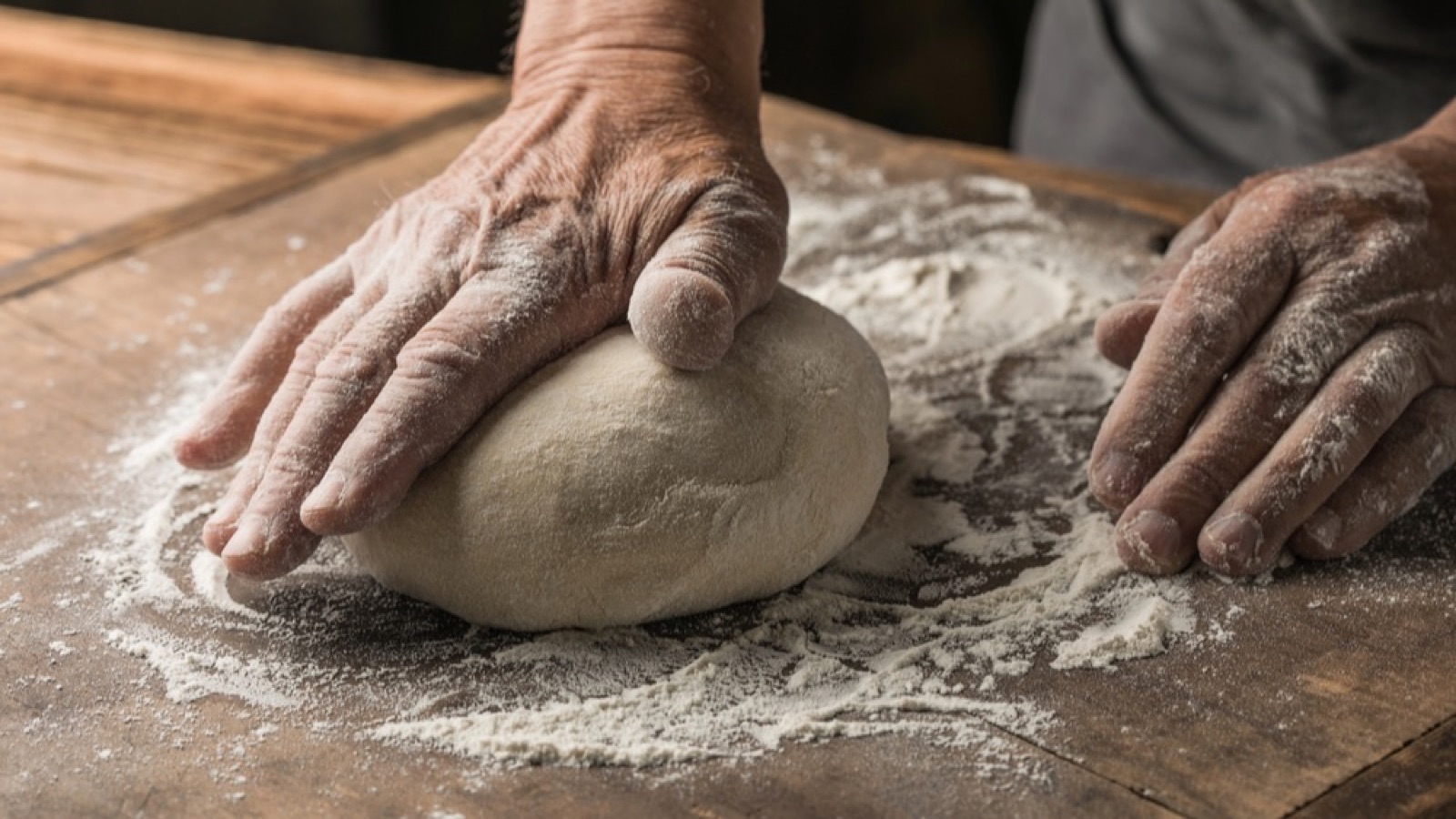
For many grandmothers, baking bread was a weekly ritual. She mixed the dough on baking day, let it rise under a towel and filled the house with a smell nobody forgets. Even after sliced bread became common, plenty of women kept baking because they believed store bread was flimsy and bland.
Commercially sliced bread first went on sale in 1928 in Chillicothe, Missouri, using a slicing machine invented by Otto Rohwedder, according to the history of sliced bread. Within a few years, it spread across the country and changed the way Americans ate. Still, many grandmothers kept baking their own loaves for decades, and their families never wanted them to stop.
2. Biscuits
Ask a Southern grandmother about canned biscuits and you might get a raised eyebrow. Homemade biscuits were made with flour, fat and buttermilk, cut out with a glass or a biscuit cutter and baked until golden. She could make a batch in minutes without a recipe.
Store-bought biscuits in a can became popular because they were fast and easy, but many grandmothers saw them as a poor substitute. They believed the texture was too uniform and the flavor too flat. For families who grew up on the real thing, nothing out of a can could match a hot biscuit from Grandma’s oven.
3. Pie Crust
A homemade pie crust was a point of pride for many grandmothers. She knew exactly how much lard or butter to cut into the flour and how cold the water needed to be. Her crusts came out flaky and tender, and she could roll one out in no time.
Refrigerated and frozen crusts eventually became common in grocery stores, saving busy cooks a lot of trouble. But many grandmothers flatly refused to use them. To this day, some families can tell instantly whether a pie was made with a store crust or a homemade one.
4. Jams and Jellies
Late summer meant canning season, and many grandmothers spent days turning berries, peaches and grapes into jams and jellies. The jars lined pantry shelves in rows, each one labeled by hand with the fruit and the year. They lasted all winter and made great gifts.
Home canners often relied on tested methods to make sure their jars were safe, much like the guidance offered today by the National Center for Home Food Preservation. Store jam was easy to buy, but Grandma’s tasted more like real fruit. Many families still treasure the last jar from her final batch.
5. Pickles
Grandma’s pickles came from cucumbers grown in her own garden. She packed them into jars with dill, garlic and vinegar brine, or made sweet bread-and-butter slices for sandwiches. Some grandmothers made crocks of fermented pickles that sat in the cellar for weeks.
Store pickles were consistent, but many families thought they lacked the crunch and flavor of homemade ones. Grandma’s pickles were a staple at picnics, holidays and Sunday dinners. People who grew up with them often say they’ve never found a brand that comes close.
6. Egg Noodles
Homemade egg noodles were a specialty in many Midwestern and Pennsylvania Dutch kitchens. Grandma mixed flour, eggs and a little salt, rolled the dough thin, then cut it into strips and let it dry on the counter or over a broom handle. The noodles went into chicken soup or were served with beef and gravy.
Dried noodles from the store were cheaper and faster, but they didn’t have the same thick, chewy texture. Many grandchildren remember helping cut noodles on a floured table. For them, homemade noodles are a taste of the holidays and family gatherings.
7. Chicken Broth
Grandma rarely bought broth because she made her own from the bones and scraps left over from a chicken dinner. She simmered them for hours with onions, carrots and celery, then strained the broth and used it for soups, gravies and stuffing. Nothing went to waste.
Boxed and canned broth is convenient, but many cooks still believe homemade is richer and more flavorful. Grandma’s broth often turned to jelly in the refrigerator, a sign of how much flavor came from the bones. For her, it was simply part of cooking a chicken properly.
8. Applesauce
In the fall, many grandmothers made big batches of applesauce from local apples. She peeled and cooked them down with a little sugar and cinnamon, sometimes leaving it chunky and sometimes running it through a food mill. Families ate it with pork chops, potato pancakes or straight out of the bowl.
Jarred applesauce was easy to find in stores, but many people thought it tasted too sweet or too smooth. Homemade applesauce had a fresh flavor that depended on the apples she used. Some families still make it together every autumn as a tradition.
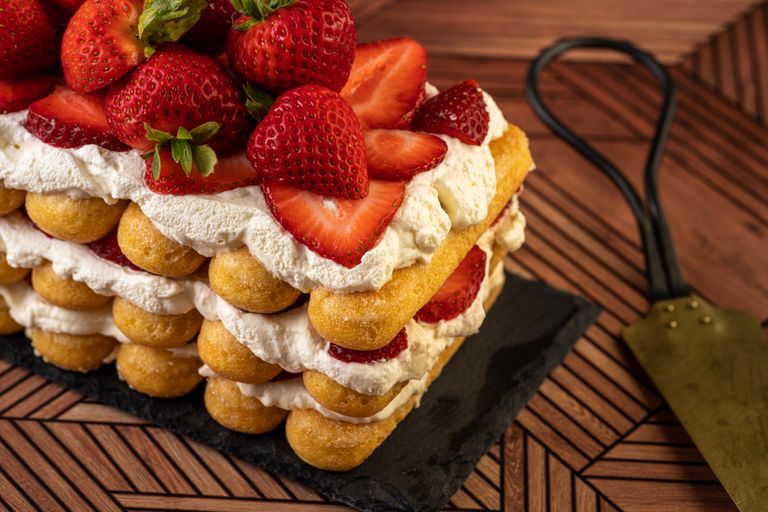
9. Whipped Cream
When Grandma topped a pie or a bowl of strawberries, she whipped real cream by hand or with an old electric mixer. A little sugar and vanilla was all it needed. To her, nothing else counted as whipped cream.
Cool Whip, the frozen whipped topping, was introduced in 1966 and quickly became a fixture in American freezers. Many households embraced it because it was cheap and lasted longer than fresh cream. But plenty of grandmothers refused to put it anywhere near their pies.
Why Grandma’s Way Still Matters
Grandma’s refusal to buy these foods wasn’t only about taste. It was about pride, thrift and the satisfaction of feeding her family with her own hands. Many women of that generation grew up in hard times and learned to make nearly everything from scratch, as this look at how grandparents made do at home shows.
Today, most families can’t make everything from scratch, and that’s perfectly fine. Still, choosing one or two of Grandma’s homemade specialties to keep alive can be a meaningful way to honor her. Whether it’s a loaf of bread or a jar of jam, it might just become your family’s next tradition.