14 Ice Age Dangers That Could Turn Your First Day Into Your Last
Imagine waking up tomorrow to discover you have been transported thousands of years into the past. No heated homes, supermarkets, hospitals, paved roads, or emergency services. Your modern clothes are probably inadequate, your phone has no useful signal, and the nearest shelter could be miles away.
Welcome to the Ice Age.
It is easy to imagine the prehistoric world as a beautiful landscape covered in snow, with woolly mammoths roaming across enormous open plains. But surviving there would have required considerably more than a thick coat and a willingness to explore.
The Ice Age was not one continuous period of identical freezing conditions. It included different climatic phases and environments, with some regions experiencing extreme cold while others had relatively milder conditions.
Still, arriving unprepared in a cold Pleistocene environment could put your life in immediate danger.
Here are 14 hazards that could make your first day in the Ice Age frighteningly difficult.
Extreme Cold Without Proper Clothing
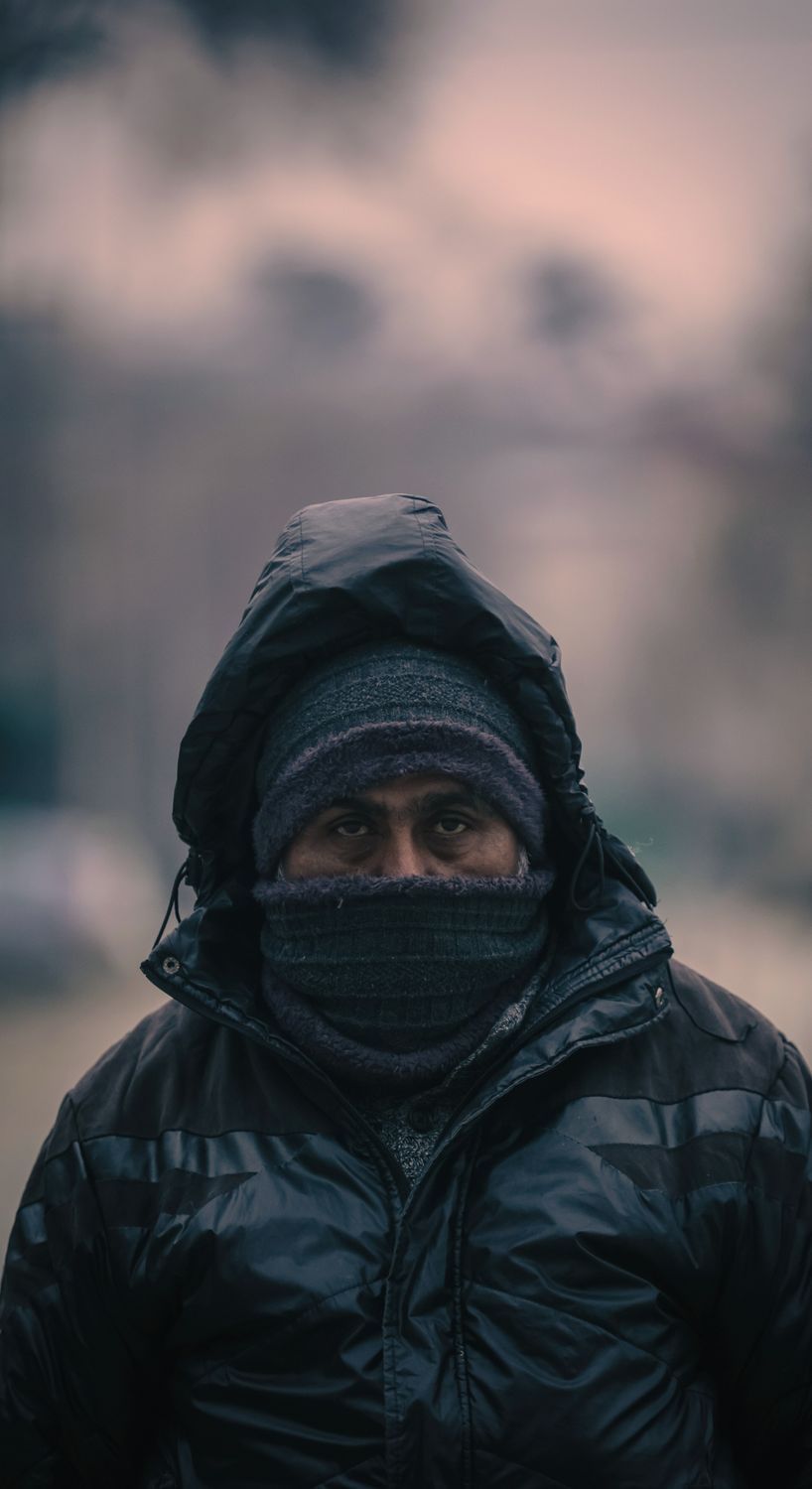
Your first problem might not be a predator. It could be the temperature.
Modern winter clothing is designed using materials and technology that would be difficult to obtain in a prehistoric environment. Arriving in ordinary clothes without insulated layers, protective footwear, or suitable outerwear could leave you dangerously exposed.
Prolonged exposure to cold can cause hypothermia, when the body loses heat faster than it can produce it.
As the condition progresses, confusion, poor coordination, and loss of consciousness can occur. Without shelter and warmth, the situation can become fatal.
Related: 9 Best Countries to Visit in Winter for an Unforgettable Holiday
Freezing Winds That Make Everything Worse
Even if you could tolerate the temperature, strong winds would create another problem.
Wind increases heat loss from exposed skin and makes already cold conditions more difficult to endure. It can also make it harder to see, move around, and locate shelter.
Without a wind-resistant outer layer or a protected place to stay, your body could lose heat much faster than expected.
A landscape that looks manageable at first can become dangerous when the weather changes.
Frostbite on Exposed Fingers, Toes and Ears
Your fingers, toes, nose and ears would be particularly vulnerable in freezing conditions.
Frostbite occurs when body tissue freezes. Early signs can include numbness, tingling, and changes in skin color. Severe cases can permanently damage tissue.
Modern medical treatment would be unavailable, and you would have no reliable way to warm affected areas if you were stranded outdoors.
Even surviving the initial exposure would not necessarily mean escaping serious injury.
Falling Through Thin Ice
A frozen lake might look like a convenient route across the landscape.
But not every frozen surface is strong enough to support a person’s weight. Ice thickness can vary, particularly around flowing water, shorelines, and areas affected by changing temperatures.
Falling into freezing water could cause immediate cold shock, difficulty swimming, and rapid heat loss.
Getting out would be another challenge. Without nearby help, dry clothing or shelter, the consequences could be severe.
Getting Caught in a Sudden Snowstorm
A clear landscape can become almost unrecognizable during a heavy snowstorm.
Falling snow, strong winds, and poor visibility can make it difficult to identify landmarks or maintain a sense of direction.
If you became lost, finding shelter would become increasingly urgent.
A person without appropriate clothing or equipment could face a dangerous combination of cold exposure, exhaustion and disorientation.
Related: 7 Stunning Snowy Works of Art That Can Only Happen in Winter
Encountering a Woolly Mammoth
The woolly mammoth is probably the first animal many people think of when they imagine the Ice Age.
These enormous relatives of modern elephants were adapted to cold environments and lived in parts of the Northern Hemisphere.
Seeing one from a safe distance would be extraordinary. Getting too close would be a terrible idea.
A large animal can be dangerous when threatened, startled, or protecting its young. Its size alone would make a collision potentially devastating.
The important distinction is that mammoths were not automatically aggressive toward every human they encountered. Nevertheless, treating one like a harmless prehistoric attraction could have serious consequences.
Crossing Paths With a Short-Faced Bear
Some Ice Age environments were home to enormous bears, including the North American giant short-faced bear.
These animals were among the largest terrestrial carnivorous mammals known from the continent, although their exact diets and behavior remain subjects of scientific discussion.
Encountering a large bear at close range would be dangerous, particularly if it felt threatened or was competing for food.
Unlike visiting a modern wildlife park, you would have no protective barriers, trained guides, or emergency response team.
Becoming Prey for Large Predators
The Ice Age landscape included several formidable predators.
In parts of North America, these included dire wolves, American lions and large bears. Fossil evidence shows that these animals lived alongside other large mammals during the Pleistocene.
A predator encounter would not necessarily mean an attack. However, being alone, injured, or unable to defend yourself would make the situation especially dangerous.
You would also lack the protective group and hunting knowledge that helped prehistoric humans survive in their environments.
Getting Too Close to a Herd of Wild Bison
Prehistoric bison were important members of Ice Age ecosystems.
They were large, powerful animals that lived in herds. Although they were a potential food source for human hunters, approaching them without experience would be extremely risky.
A frightened or defensive animal could charge, knock someone down, or cause serious injuries.
Being surrounded by a moving herd would make escape difficult, particularly across uneven or frozen ground.
Drinking Contaminated Water
Finding water might seem easier than finding food in a cold environment.
However, not every available water source would be safe to drink. Streams and ponds could contain microorganisms or other contaminants that can cause illness.
Melted snow might look clean, but its appearance alone doesn’t mean it’s safe.
Without a reliable way to treat water, you could expose yourself to an additional danger while trying to stay hydrated.
Eating the Wrong Plants
Modern supermarkets make it easy to identify what is edible. The prehistoric landscape would offer no such convenience.
You might encounter unfamiliar berries, roots, leaves, and other vegetation without knowing which ones were safe to consume.
Some plants contain naturally occurring toxins. Mistaking an unfamiliar species for food could cause serious poisoning.
Prehistoric communities developed knowledge of their local environments over generations. A modern visitor would not automatically possess that knowledge.
Related: The 10 Ultimate Comfort Foods
Running Out of Energy Without Food
Cold environments can make survival physically demanding.
Walking through snow, searching for shelter, and gathering materials all require energy. Without reliable food, maintaining those activities would become increasingly difficult.
You couldn’t simply walk into a supermarket, buy a meal, or order food online.
Hunting large animals would also be far more complicated than it appears in documentaries. It required knowledge, planning, equipment, and often cooperation.
Going hungry for a few hours would not automatically kill you, but prolonged food shortages combined with exposure and physical exhaustion could become dangerous.
Injuring Yourself on Frozen, Uneven Ground
The prehistoric landscape was not a smooth blanket of snow.
Depending on the region, you could encounter exposed rocks, frozen mud, steep slopes, icy surfaces, and uneven terrain.
A simple fall could cause a sprained ankle, a broken bone, or a deep cut.
In the modern world, an injury might mean calling for help or visiting an emergency department. In the Ice Age, you could be left trying to survive with limited mobility and no professional medical assistance.
That could make finding food, collecting firewood, and reaching shelter considerably harder.
Having No Safe Place to Sleep
Perhaps the most frightening realization would come when daylight disappeared.
You could not simply book a hotel room, switch on the heating or crawl beneath a modern insulated blanket.
A suitable shelter was essential for protection against cold, wind, precipitation, and dangerous animals.
Prehistoric humans used different shelter strategies depending on their environment and available materials. Archaeological evidence shows that survival involved more than simply enduring the weather.
Without a protected place to sleep, exposure could become a serious threat long before morning.
The Biggest Mistake Would Be Underestimating the People Who Lived There
Despite all these dangers, prehistoric humans survived through multiple Ice Age environments.
They developed tools, used fire, made clothing, constructed shelters, and learned how to obtain food from their surroundings. Cooperation and knowledge of local conditions were essential parts of their survival.
That is an important detail often missing from dramatic portrayals of prehistoric life.
The Ice Age was dangerous, but it was not an environment where humans automatically died simply because temperatures dropped. People adapted to different conditions over thousands of years.
A modern person arriving without suitable equipment, experience, or companions would face a very different situation.
The real lesson is that survival depended on preparation and knowledge. Without them, even an ordinary walk across an unfamiliar landscape could become life-threatening.
If you were suddenly transported to the Ice Age with only the clothes you wear today, what would worry you most: the freezing temperatures, enormous predators, or finding something safe to eat?