What You Need to Know About the Supreme Court’s Alabama Ruling
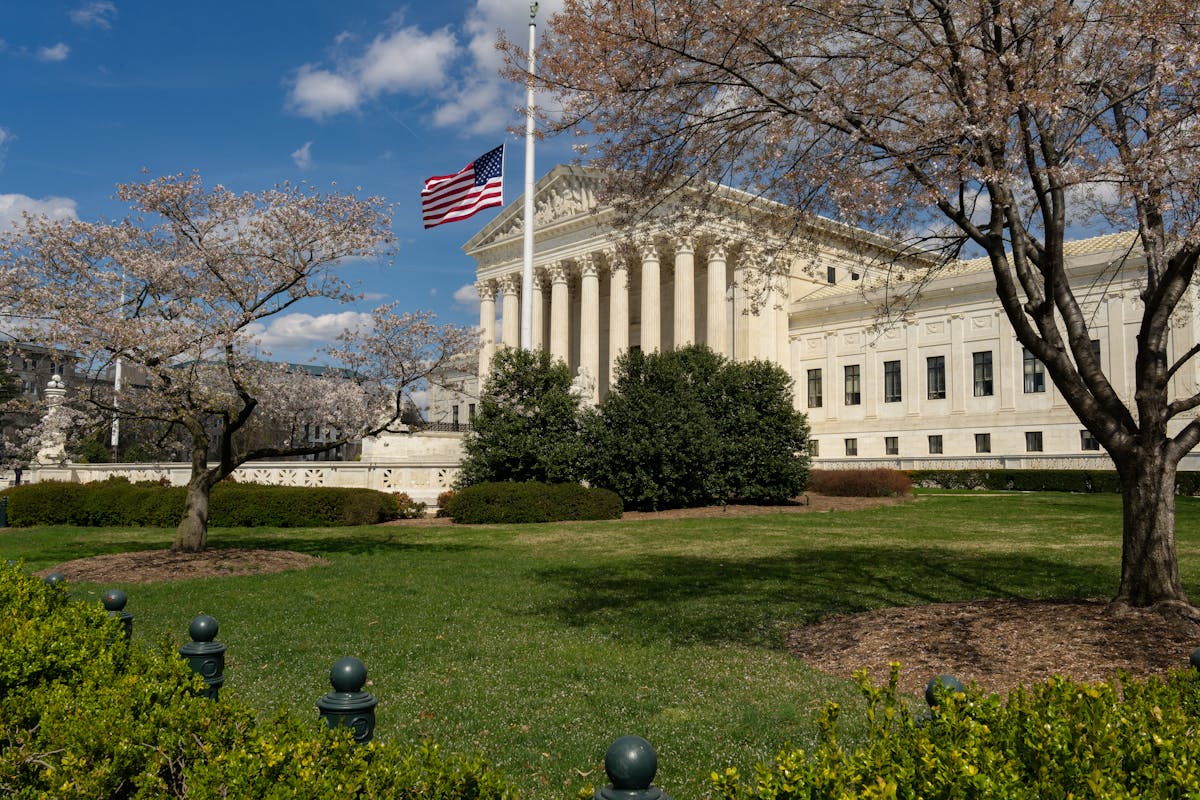
The U.S. Supreme Court’s recent decision in Alabama has sent shockwaves through the nation. Though it centers on one congressional map, the implications are far more serious. By approving a Republican-favored map, the Court has shifted the rules for who can influence elections, setting the stage for major changes in power dynamics across Congress.
This isn’t just a legal technicality. The decision could reshape representation in the House and weaken protections for minority voters. It signals a broader trend that could affect future redistricting battles in states across America. For citizens concerned about fairness, democracy, and their own voting power, understanding what this ruling means is essential.
Court Clears a Republican-Favored Map
Alabama’s new map reduces the number of districts where Black voters can realistically elect their preferred candidates from two to one, despite Black residents making up roughly 27% of the state’s population. The result is a likely gain of a Republican seat in Congress, shifting the balance toward GOP control in the state. This is more than a one-time adjustment; it represents a structural advantage that could shape midterm outcomes and influence national policy.
This ruling comes after previous court orders had required Alabama to maintain a second district where minority voters could elect their candidate of choice. By overturning that requirement, the Supreme Court has granted Republican legislators the ability to consolidate power in a state where partisan boundaries are now heavily tilted in their favor.
Legal Logic Behind the Decision

The Court’s reasoning focuses on the standards for proving racial discrimination in redistricting. Under the new interpretation, challengers must provide clear evidence that lawmakers intended to discriminate, rather than merely show that the result disadvantages minority voters. Courts are now instructed to assume legislators acted in good faith unless evidence proves otherwise.
This adjustment drastically raises the bar for blocking maps that reduce the influence of racial minorities. It also signals that courts may be less willing to intervene in future redistricting disputes, giving state legislatures more leeway to draw lines in ways that favor the majority party.
Political Impact Extends Beyond Alabama
The ruling has a clear immediate impact: Republicans are set to gain an additional House seat in Alabama. But the consequences don’t stop there. This precedent could be used in other states to defend Republican-leaning maps or challenge Democratic attempts to protect minority representation.
Redistricting is a powerful tool in American politics because it can determine outcomes before voters even cast ballots. By allowing this map to stand, the Supreme Court has effectively reinforced a mechanism that could tilt elections nationwide, influencing who controls Congress and, by extension, the policy agenda.
Critics Warn of Minority Vote Dilution
Civil rights advocates are sounding the alarm. By eliminating a second majority-minority district, critics say the Court has approved a move that diminishes Black voters’ political power. This, they argue, undermines decades of legal protections designed to ensure fair representation and equal access to the democratic process.
Liberal justices, including Justice Sonia Sotomayor, delivered a powerful dissent, warning that the decision rewards defiance of court orders and erodes public trust in the electoral system. The dissent emphasizes that these legal changes could create chaos as states implement new maps just months before elections, leaving voters confused and disenfranchised.

Broader Concerns About Democracy
Observers say this ruling reflects a broader pattern in Supreme Court decisions, in which legal interpretations may align with political outcomes. By making it harder to challenge partisan maps, the Court may inadvertently encourage legislators to design districts that entrench the ruling party’s power.
For citizens, this isn’t just about Alabama. It’s about how much influence the courts should have in safeguarding democracy and protecting minority voices. The ruling underscores the tension between state power and national standards for fair elections, raising questions about equality, access, and voter confidence across the country.
Why This Matters to Every Voter
This decision has implications beyond Alabama’s borders. It affects who will represent Americans in Congress, how elections are conducted, and how much influence minority voters can wield in shaping policy. Understanding the impact of this ruling is essential for anyone invested in fair representation and the health of U.S. democracy.

Whether it’s about controlling the House, passing legislation, or shaping the national agenda, the stakes are real. Voters need to pay attention because the map lines drawn today will influence election outcomes for years to come.
The Supreme Court’s ruling is more than a win for Republicans in Alabama. It’s a moment that redefines the landscape of voting rights, election fairness, and political power. By changing how courts assess redistricting challenges, the decision sets a precedent with consequences far beyond a single map.
For Americans, the key takeaway is clear: the rules of democracy are shifting, and who holds power will increasingly be determined by the maps drawn in state capitals. Awareness and engagement are crucial as the next election approaches, because every vote and every district line counts more than ever.