Woman Splits the Bill at a Café After Her Date Suggests It, Then Receives an Unexpected Text About Who Should Have Paid
Dating would probably be a lot easier if everyone said exactly what they meant. Instead, even something as simple as paying for a cup of coffee can turn into a complicated lesson in modern dating etiquette.
A woman who goes by Ella on Threads shared an experience with a man she met through a dating app. What started as a casual café date ended with a rather confusing text message that left her questioning whether she had missed an unwritten dating rule.
The unusual part? She had simply agreed to the payment arrangement her date suggested.
A Coffee Date With an Unexpected Twist
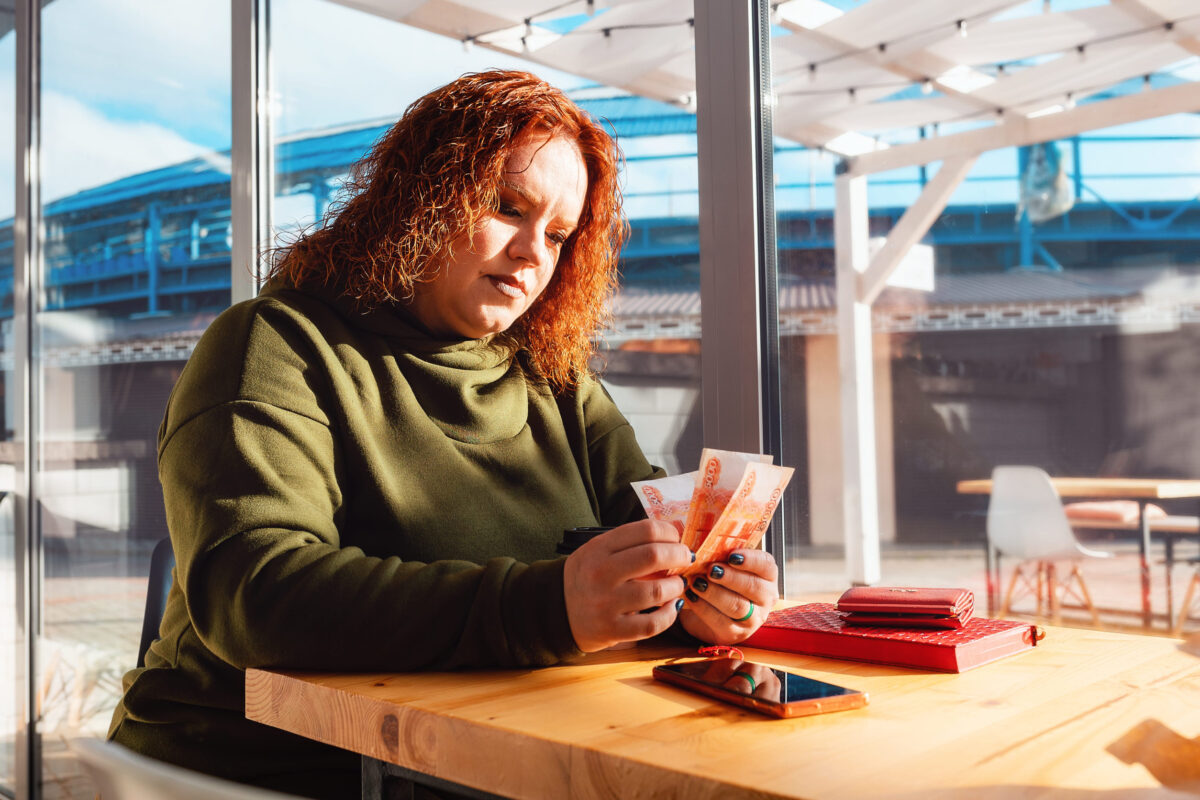
According to her Threads post, which was covered by Amplify Upworthy, Ella connected with a man through a dating app, and the two agreed to meet at a café.
He ordered coffee, and they spent some time chatting. When it was time to pay, the man brought up the subject of splitting the bill.
“We’re splitting, right?” he reportedly asked.
“Of course,” she responded.
Both paid for their respective orders before going their separate ways. It seemed like a straightforward arrangement between two adults who had agreed on how to handle the bill.
However, the conversation about money apparently wasn’t over.
Later that evening, Ella said she received a message from the man that made her question the entire exchange.
“I liked you, but I didn’t get why you didn’t even offer to pay for my coffee,” he reportedly wrote.
Confused by the apparent change in expectations, she turned to Threads for answers.
“Girls, am I missing something, or was this man actually expecting me to treat him?” she asked.
The man’s intentions remain unclear, and his side of the story has not been independently reported.
The Internet Weighs In

The woman’s experience sparked a discussion about dating expectations, financial responsibility and the importance of saying what you actually mean.
Several readers struggled to understand why someone would suggest separate payments and then express disappointment when the other person agreed.
One commenter, whose response was featured in an OK! report, questioned why the man hadn’t simply communicated what he wanted instead of suggesting a split.
“Thank him for allowing you to move on so quickly and saving your time,” another commenter wrote.
Others wondered whether his message might have been an unsuccessful attempt at humor.
“Was he being sarcastic? Banter is the only acceptable answer,” one reader suggested.
Of course, without knowing the man personally or seeing the complete conversation, it’s impossible to determine whether he was joking or genuinely disappointed.
Still, the situation raises an interesting question about whether people sometimes treat dating as a test without telling the other person they’re being tested.
Who Is Actually Supposed to Pay on a First Date?
Ask a group of friends this question, and you might find yourself listening to an hour-long debate.
Some believe the man should always pay. Others argue that whoever extends the invitation should cover the bill. Plenty of people prefer paying for themselves to keep things simple.
A 2024 NerdWallet survey conducted by The Harris Poll among 2,061 American adults found that 72% agreed that the man should pay on the first date in a heterosexual couple.
Meanwhile, 65% expected the person who asked them out to pay. Another 57% believed that the person earning more money should cover dating expenses more often.
Interestingly, younger generations appear to have different preferences.
A 2025 survey commissioned by Chime found that 36% of Gen Z respondents believed the man should pay for a date, while 23% preferred splitting the bill and 28% believed the person who planned the date should pay.
There is clearly no universally accepted rule. What one person considers good manners might be completely different from what another person expects.
When Offering to Pay Means Something Different

Sometimes, offering to pay isn’t necessarily about money. It can also be a gesture of appreciation, generosity or consideration.
A 2015 study published in SAGE Open, involving 17,607 unmarried heterosexual respondents, highlighted just how complicated these expectations can become.
Among the women surveyed, 39% wished men would reject their offers to contribute toward dating expenses. Meanwhile, 40% were bothered when men refused to accept their money.
These conflicting preferences illustrate why reading someone’s mind over a café receipt isn’t particularly practical.
Perhaps Ella’s date wanted her to demonstrate generosity by offering to cover his coffee. Perhaps he expected her to actually pay. Either way, his reported message left room for interpretation.
There’s nothing inherently wrong with wanting a partner who occasionally treats you. However, expecting someone to demonstrate generosity in a particular way without communicating that preference can create unnecessary confusion.
Clear Communication Could Save Everyone the Trouble
In an April 2024 interview with CNBC, couples and dating therapist Carli Blau discussed the importance of being genuine when offering to pay.
Her advice was essentially that people shouldn’t make an offer and then become upset when someone accepts it.
The same principle can apply to suggesting separate payments. If you’re comfortable paying for yourself, say so. If you prefer treating your date, make that clear. If you enjoy taking turns paying, that’s also something worth discussing.
Dating coach Blaine Anderson offered another practical piece of advice: “Plan something that’s within your budget.”
A date doesn’t need to involve an expensive restaurant or an elaborate evening out. Sometimes, an affordable cup of coffee and an enjoyable conversation are more than enough.
It’s Not Really About the Coffee
The interesting thing about Ella’s experience isn’t that two people paid separately. It’s that an apparently settled agreement became a source of dissatisfaction afterward.
Generosity is wonderful when it comes naturally. It loses some of its charm when it becomes an undisclosed requirement that someone is expected to fulfill.
Whether you prefer traditional dating etiquette, separate bills or taking turns treating each other, compatibility matters more than following somebody else’s rules.
Ella hasn’t publicly clarified how she responded to the message or whether the pair met again.
But her experience offers a practical reminder for anyone navigating modern dating: communicate your expectations before judging someone for not meeting them.
After all, a coffee date should be an opportunity to get to know someone, not an exam with questions you didn’t know were being asked.
Do you like this personality?