Only People Who Grew Up in the 1950s Remember These 10 Laundry Day Rules
In the 1950s, laundry wasn’t something you tossed in between errands. It was a full day’s job with its own schedule, its own tools and a set of rules every kid absorbed by watching Mom, Grandma or the neighbor lady over the fence.
Automatic washers were spreading fast, but plenty of homes still used wringer machines, and the clothesline was still the dryer for many families. Here are 10 laundry day rules that anyone who grew up in the 1950s will remember.
1. Monday Was Wash Day
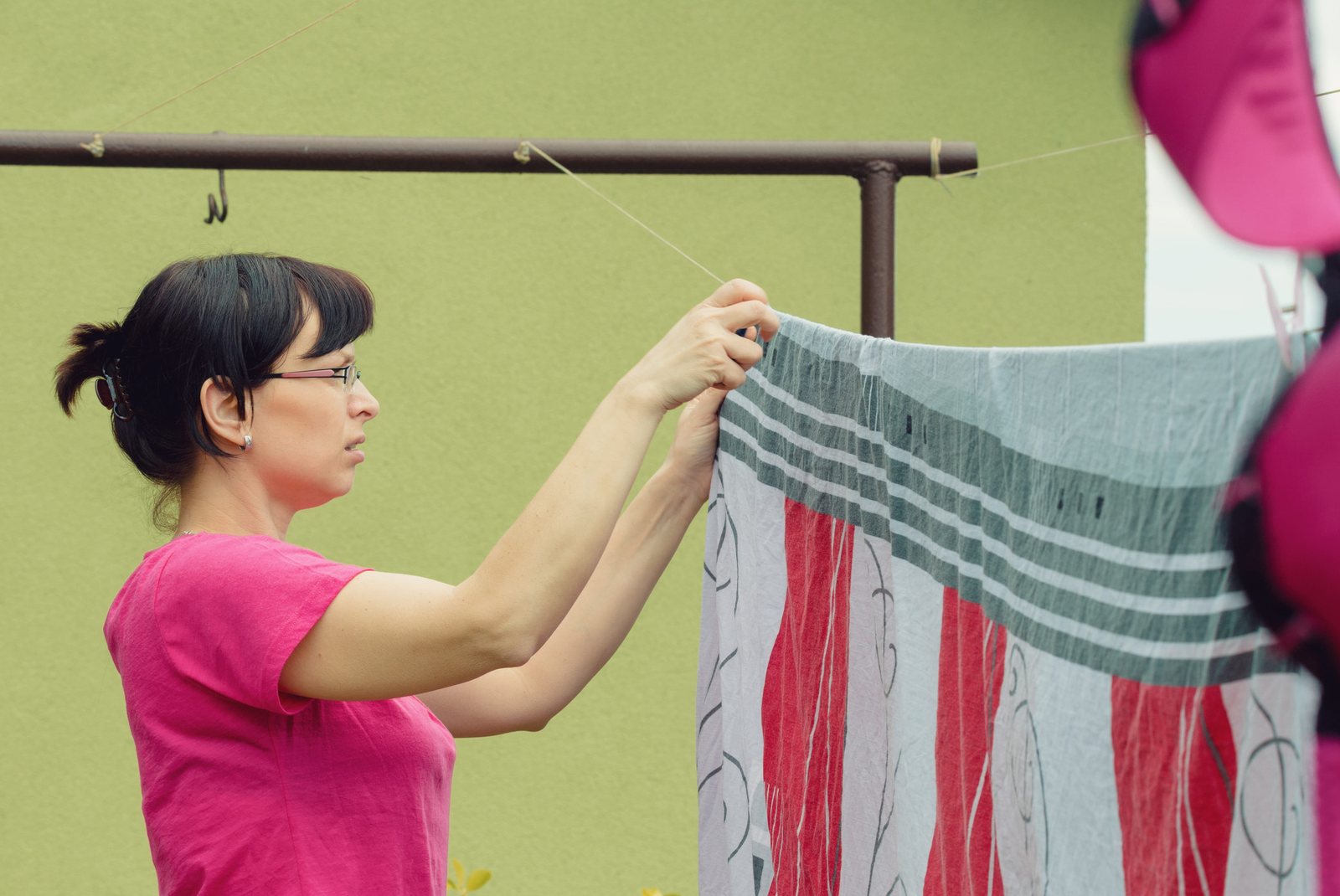
You didn’t pick a laundry day. It picked you, and it was Monday. The tradition ran deep; 6sqft’s history of New York’s tenement days describes Monday as the standard, back-breaking wash day for generations of women.
By the 1950s the work was easier, but the calendar hadn’t changed. Monday supper was often leftovers or something simple, because Mom had been at the washer since breakfast.
2. Whites Went First
Water was precious, so the cleanest loads went in first. Whites and linens got the freshest, hottest water, then light colors, then work clothes and Dad’s dungarees at the end.
Kids learned to sort piles on the basement floor before they could read the labels. These days we lean on dish soap for everything, but a few cleaning mistakes are worth avoiding.
3. Keep Your Fingers Away From the Wringer
The wringer washer had two rollers that squeezed water out of clothes, and it was the one rule every child heard over and over. Hands stayed clear and long hair got tied back.
The Animas Museum in Durango, Colorado notes that line drying was the norm before clothes dryers became popular and widely available in the 1950s.
4. A Little Bluing for the Whites
A few drops of bluing in the rinse water made yellowed whites look bright again. Too much, and Dad’s undershirts came out faintly blue, which nobody ever let Mom forget.
The little bottle sat on the shelf above the washtub next to the box of soap flakes, and kids were warned not to spill it, because a blue stain on the floor or a good blouse was nearly impossible to get out.
5. Hang It in the Sunshine
A sunny Monday was a gift. The Henry Ford museum keeps a 1950s box of Munising “Sunny Day” clothespins and explains that many households had automatic washers but no dryers yet, so laundry went on the line whenever the weather allowed. Line-dried sheets had a fresh outdoor smell no machine could copy.
Some of these habits never really left. In fact, plenty of boomer habits are making a comeback, and a sunny clothesline feels like one worth reviving.
6. The Clothesline Had Etiquette
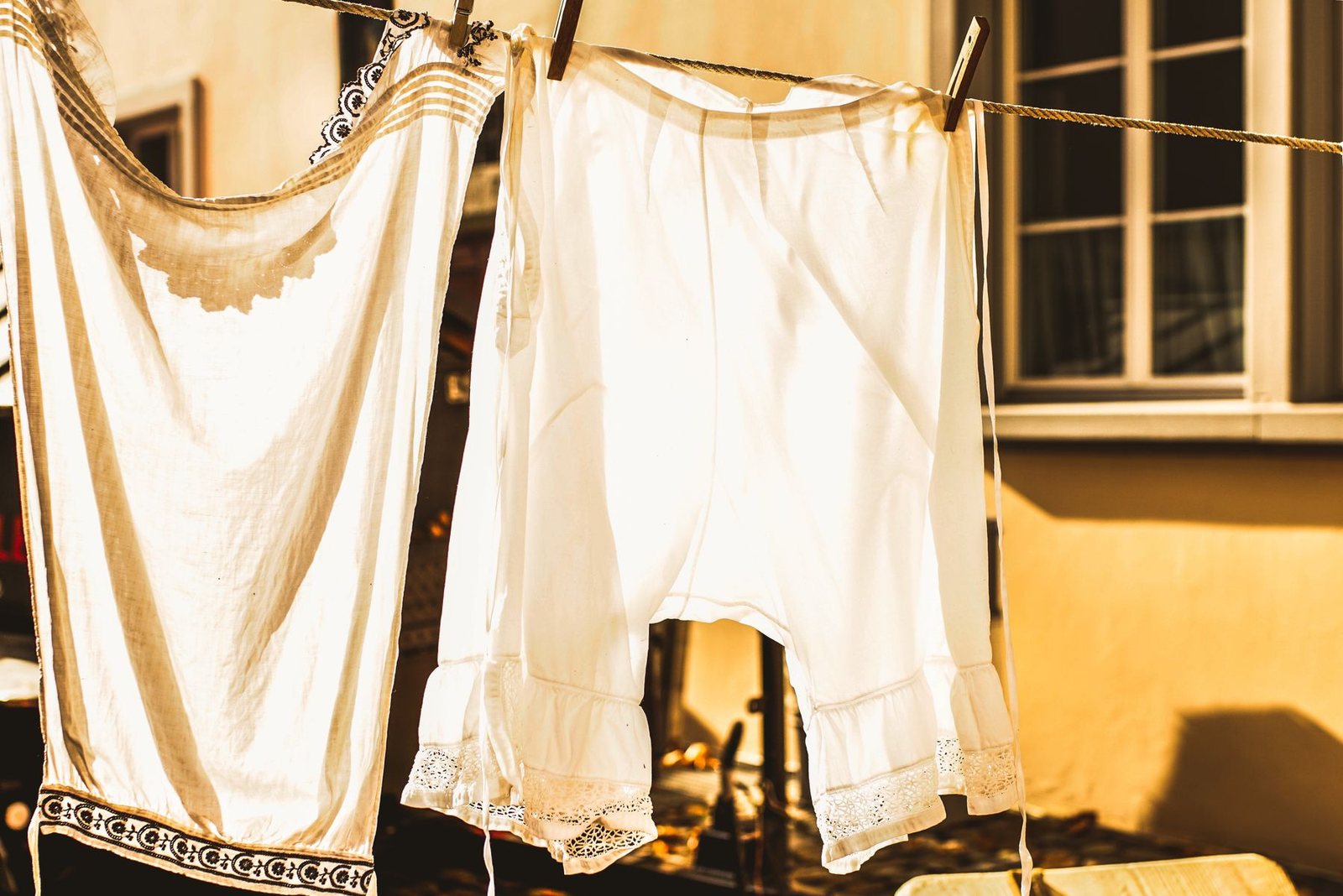
Sheets and towels went on the outside lines, where the neighbors could admire them. Underthings were tucked on the inner lines, out of view. Shirts hung by the tails and pants by the cuffs, and matching items hung together.
A neat line said a lot about a household. It’s one of those American traditions that confuse the rest of the world. If you’d like to build your own drying rack, these DIY projects are a fun place to start, and the chores lineup in these 1980s Saturday chores shows how the rules carried on.
7. Watch the Sky
If clouds rolled in, everybody ran. Kids were sent out with the basket to pull clothes off the line before the first drops, and nothing was left out overnight.
Moms also kept a sharp eye on the neighbor burning leaves or the wind kicking up dust from a dirt road. One gust in the wrong direction could mean washing the whole load all over again.
8. Starch the Collars
Dress shirts, Sunday dresses and tablecloths got dipped in starch so they’d come out crisp. Mom mixed it on the stove or poured it from a box, and collars stood up like cardboard.
9. Sprinkle and Roll Before Ironing
Clothes were sprinkled with water, often from a soda bottle with a sprinkler cap, then rolled up tight and tucked in a basket so the dampness spread evenly. In many homes, Tuesday was ironing day, and the ironing board stayed up for hours.
10. Never on Sunday
Hanging wash on a Sunday was simply not done in many neighborhoods. Sunday was for church, family dinner and rest, and a full clothesline would get noticed.
The Day That Earned Its Name
Appliances changed everything. The Kansas Historical Society notes that one maker advertised its automatic washer and dryer as giving housewives a full day back each week. Still, anyone raised on these rules can picture a line of white sheets snapping in the breeze. Which rule did your house follow?