Zimbabwe’s Informal Food Economy Is Quietly Powering a National System Most People Don’t See
Across Zimbabwe’s cities and rural corridors, a powerful yet often overlooked economic engine is at work every single day. It is not found in corporate boardrooms or formal retail chains. It is found on street corners, in open-air markets, on roadside stalls, and in tightly packed urban trading spaces where vendors sell vegetables, grains, and everyday essentials in small, affordable portions.
This is Zimbabwe’s informal food economy, and it is far more than survival trading. It is a national supply system in motion.
From tomatoes and leafy vegetables to maize, groundnuts, bananas, and rice, informal markets connect farmers to households in ways that formal systems alone cannot sustain. And as new data-driven research shows, these networks are not random or chaotic. They are structured, responsive, and deeply sensitive to economic shocks, transport costs, climate conditions, and household income pressures.
A Market System Built on Daily Survival and Daily Demand
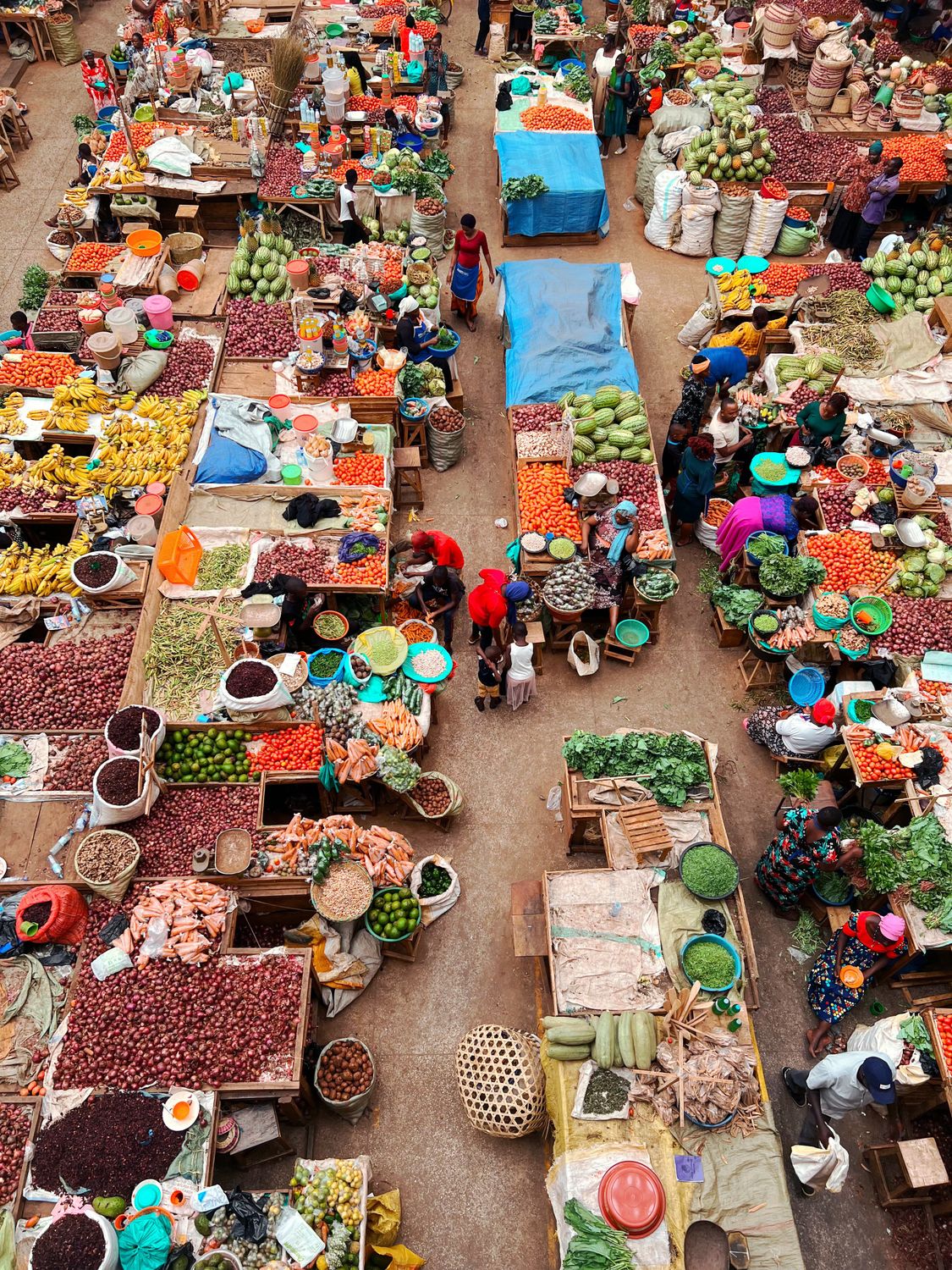
In Zimbabwe, informal markets are not a backup system. For many households, they are the main source of food.
Families often buy just enough for the day. A handful of tomatoes. A small bundle of greens. A measured cup of maize. This purchasing pattern shapes the entire supply chain, forcing vendors and farmers to operate on micro-transactions rather than in bulk retail systems.
This structure creates a highly dynamic market where prices, availability, and demand shift quickly. It also makes the system extremely responsive to shocks such as fuel shortages, changes in rainfall, currency fluctuations, or transport disruptions.
In practical terms, when something changes anywhere in the chain, the effects are felt almost immediately at the market stall.
Why Informal Markets Now Dominate Food Access in Zimbabwe
Recent economic analysis consistently shows that a large share of Zimbabwe’s population relies on informal activity for income and food access. Informal trade is not just widespread. It is foundational.
Several forces drive this dominance, including limited formal job opportunities, high costs of business registration and compliance, flexible entry into vending and small trade, strong rural-to-urban food movement through informal channels, and immediate cash-based transactions that match daily income patterns.
For many vendors, informal trading is not a long-term choice. It is a practical response to economic pressure. But over time, it has evolved into a complex and essential distribution system that feeds millions.
Inside the Informal Food Basket That Reveals Market Reality
To understand how the system behaves, researchers often track a “food basket” of commonly traded goods. This basket reflects both consumption habits and supply chain movement.
Daily essentials that shape urban diets, such as tomatoes, onions, cabbage, and leafy vegetables, are among the most traded goods in informal markets. These items act as daily indicators of household purchasing power because demand remains constant regardless of income level.
Staple crops that underpin food security, such as maize, sugar beans, groundnuts, and small grains, sit at the core of national food security. Their prices and availability often signal deeper agricultural and climate conditions.
Higher-value produce that tracks income shifts, such as bananas, apples, oranges, and green vegetables, reflects middle-income demand and farmer income opportunities. When demand drops here, it often signals reduced consumer spending power.
Substitute foods that reveal economic stress, such as sweet potatoes, rice, and yams, which become more important when staple foods become expensive. A rise in these goods often signals households adjusting to financial pressure.
This basket is more than a list of food items. It is a real-time economic thermometer.
How Supply Chains Move Through Informal Networks
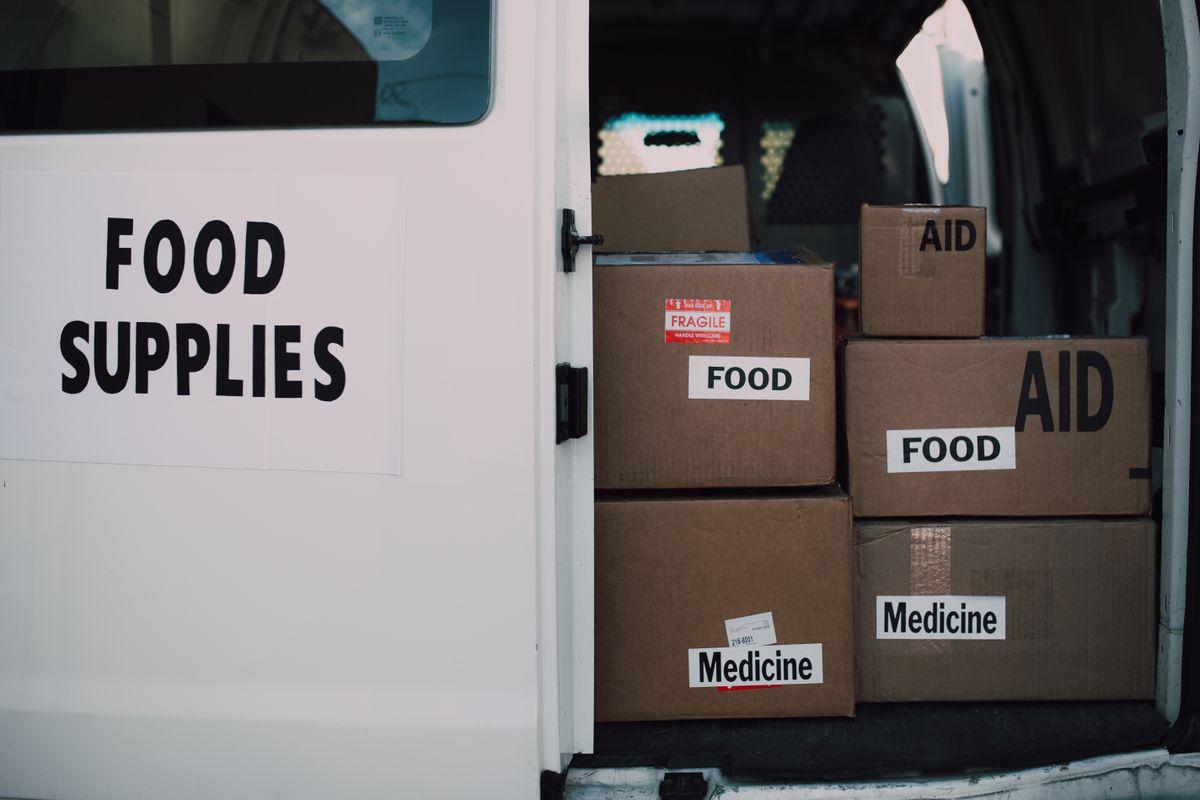
Zimbabwe’s food supply chain is not linear. It is a network of small, fast-moving exchanges.
Farmers harvest produce and move it to rural collection points. From there, transporters carry goods to urban wholesale markets. Vendors then break bulk supply into small, affordable portions for consumers.
At every stage, value is added, reduced, or reshaped by external forces such as transport costs and fuel prices, road conditions and distance, weather patterns and crop yields, storage limitations and spoilage risks, and market fees and informal charges.
Because most of these exchanges are informal, the system is flexible but also vulnerable. A delay at any point can ripple through the entire chain within hours.
COVID-19 Exposed the Fragility of Informal Food Systems
When lockdowns were introduced, Zimbabwe’s informal food system faced immediate disruption. Vendors lost access to markets, transport routes were restricted, and daily income stopped almost overnight.
What became clear during this period was simple but important. Food systems are only as strong as the people who move food.
Farmers, transporters, wholesalers, and street vendors are not separate from the system. They are the system. When they are restricted, the entire food chain weakens.
At the same time, the crisis highlighted something else. Informal markets are highly adaptable. Once restrictions eased, trade quickly resumed, showing how deeply embedded these networks are in everyday life.
The Hidden Drivers Behind Informal Trade Growth

Informal markets in Zimbabwe are expanding for structural reasons, not temporary ones.
The strongest drivers include economic pressure on households, difficulty accessing formal employment, high inflation and unstable pricing systems, low barriers to entry for vending and small trade, and strong rural agricultural output needing flexible markets.
These factors combine to make informality not just common, but necessary.
Data Is Changing How Informal Markets Are Understood
One of the most important shifts in recent years is the use of data to study informal markets. Instead of relying on assumptions, researchers now track real-time changes in prices, volumes, and supply patterns.
This approach reveals patterns such as prices rising due to transport costs rather than shortages, supply dropping due to weather rather than changes in demand, consumers shifting to cheaper substitutes due to income pressure, and certain markets experiencing recurring volatility.
By analyzing these signals, policymakers can better understand how food insecurity develops and how to respond earlier.
The Future: Turning Informal Markets Into Smarter Economic Systems
The future of Zimbabwe’s food economy is not about eliminating informality. It is about strengthening it.
Key improvements that can reshape the system include better market infrastructure for water, storage, and sanitation; digital price-tracking systems for transparency; stronger links between farmers and vendors; affordable registration systems for small traders; social protection for informal workers; and climate-aware food-planning systems.
These changes would not replace informal markets. They would make them more stable, efficient, and resilient.
Zimbabwe’s Informal Markets Are the Real-Time Economy
Zimbabwe’s informal food markets are more than trading spaces. They are live indicators of economic health, household resilience, and national food security.
Every price change tells a story. Every shift in supply reveals a pressure point. Every vendor transaction reflects a household decision.
And when these signals are combined through data, they offer something powerful: a clearer, faster, and more accurate understanding of how an entire economy actually works from the ground up.