11 Things People Keep in Their Homes Far Longer Than They Should
Homes have a sneaky way of becoming storage units for things we stopped using years ago. A drawer fills up, a closet gets packed, and suddenly the house is full of items that serve no real purpose. Most people do not keep clutter because they love it. They keep it because throwing things away feels wasteful, emotional, or inconvenient.
But some items quietly steal space, collect dust, and make everyday life feel heavier. A cleaner home is not about having less personality. It is about making room for what actually supports your life now. These are the things many people keep far longer than they should.
Old Towels
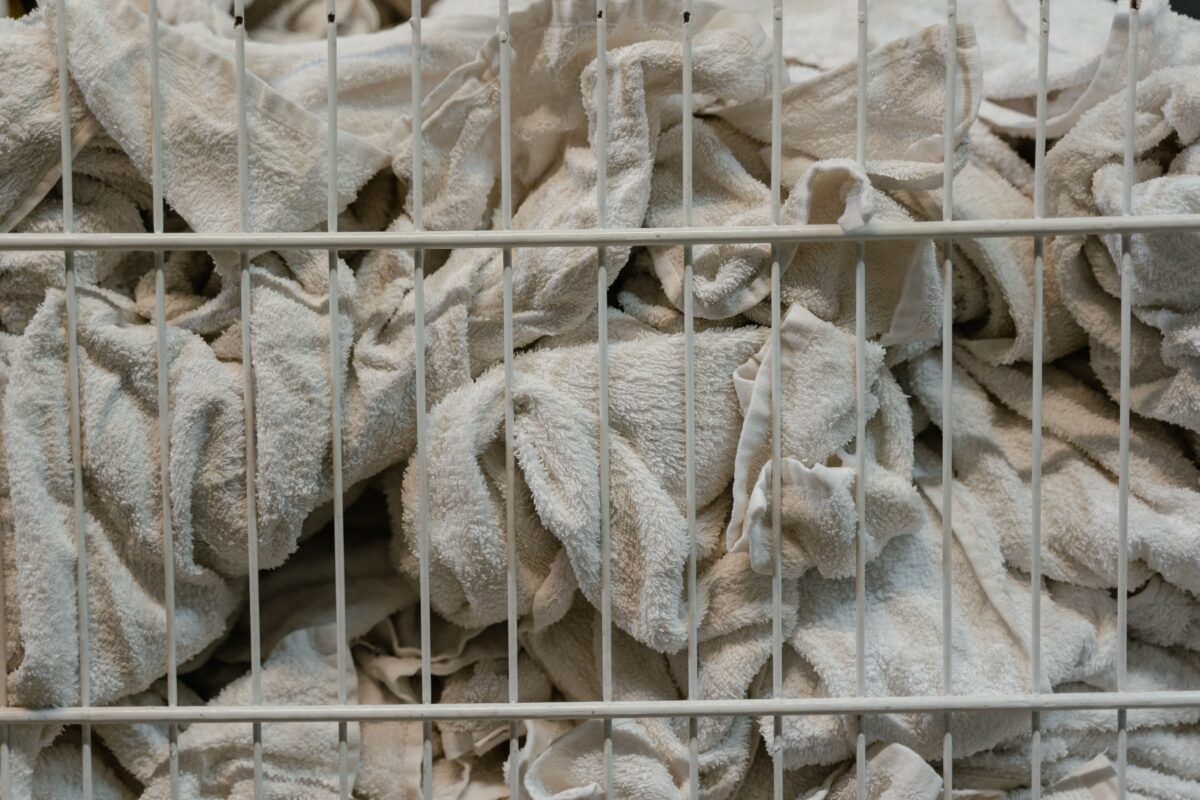
Old towels often stay in homes long after they have lost their softness, color, and absorbency. They become scratchy, thin, and unpleasant to use, yet people keep stacking them in closets “just in case.” A few backup towels make sense, but a mountain of worn-out ones only creates clutter.
The best move is to keep the towels you actually enjoy using and repurpose the worst ones as cleaning rags. Anything beyond that can usually go. Your linen closet should not feel like a museum of every towel you have ever owned.
Expired Medicine
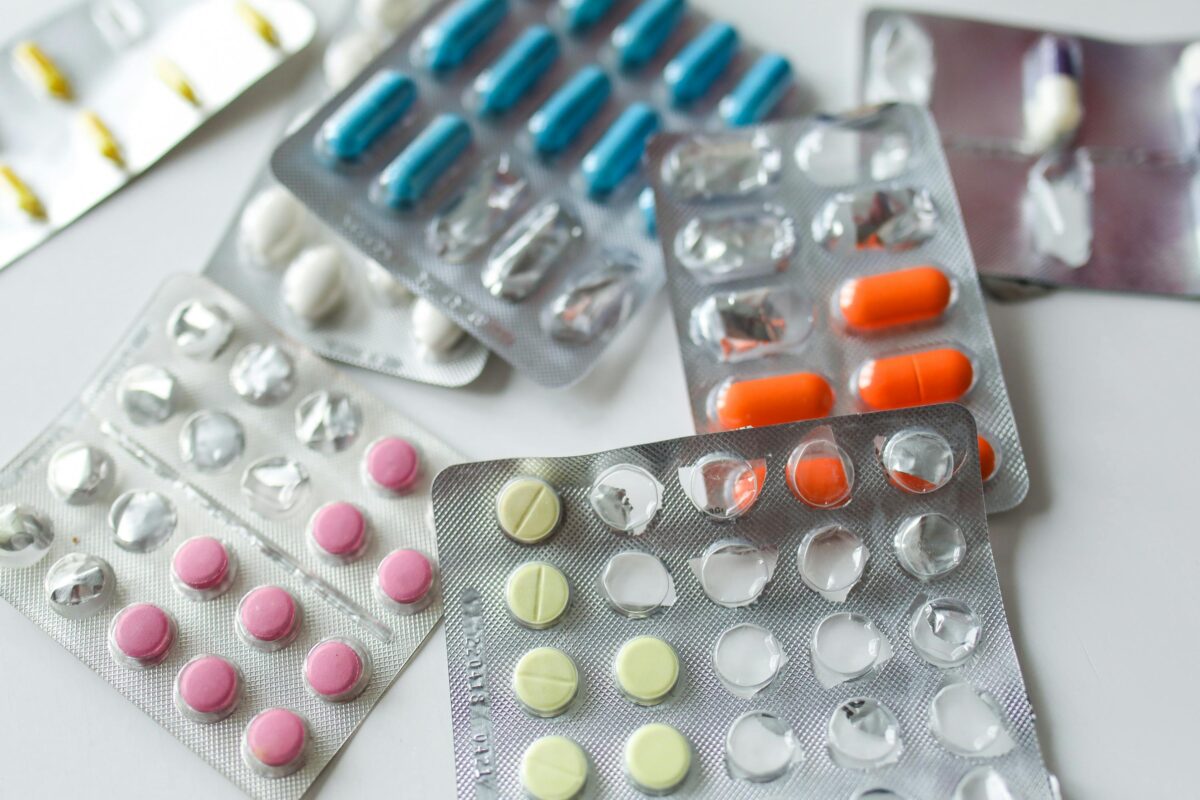
Expired medicine is one of the most common things people forget to clear out. Bottles sit in bathroom cabinets for years, long after the labels have faded and the dates have passed. Keeping them around can create confusion when someone needs quick relief.
A regular medicine cabinet check makes the home safer and more organized. Expired pills, syrups, and creams should be disposed of properly rather than left beside current medicine. Health items should be clear, up to date, and easy to identify.
Worn-Out Shoes
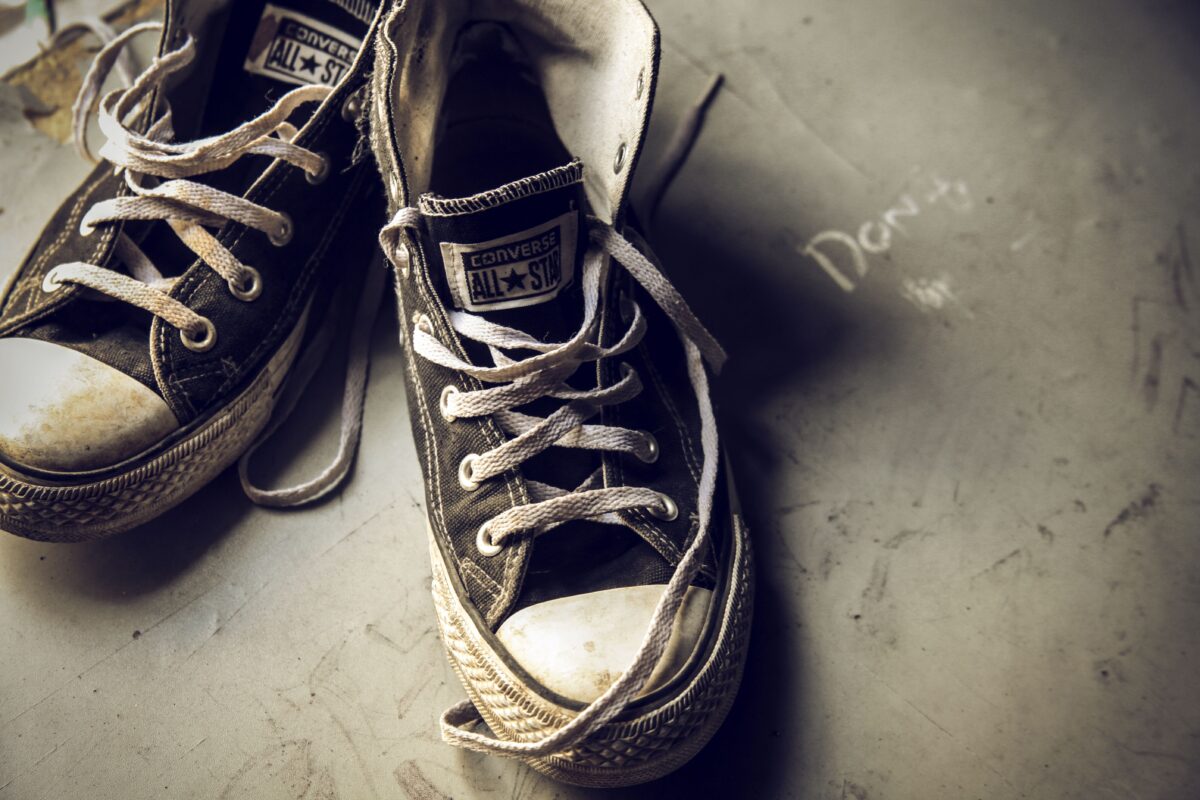
Shoes can be strangely hard to throw away. People keep pairs with cracked soles, damaged heels, faded fabric, or uncomfortable fits because they remember when those shoes were useful. But shoes that hurt your feet or never leave the closet are no longer serving you.
Keeping a few practical pairs is smart. Keeping every old pair because “maybe one day” is how closets become crowded and chaotic. If the shoes are damaged, painful, or untouched for years, they have already done their job.
Plastic Food Containers
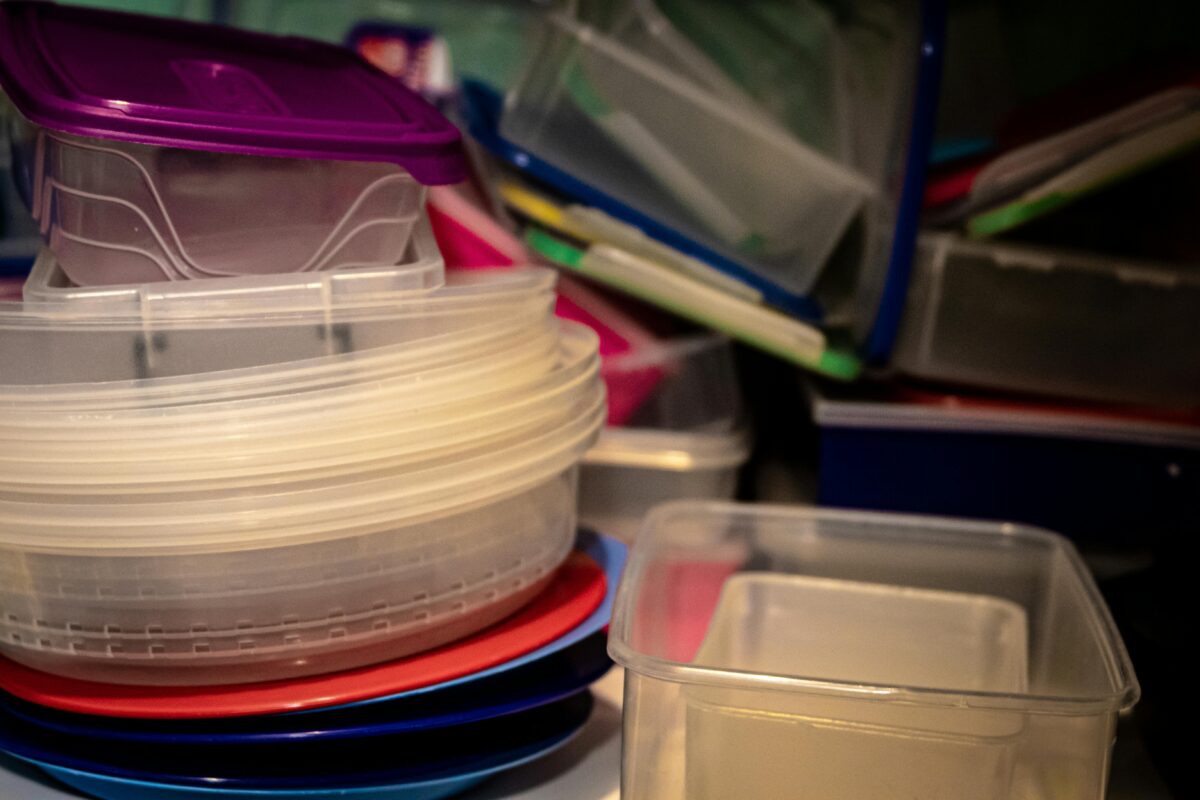
Plastic containers multiply faster than almost anything else in the kitchen. Lids disappear, bowls stain, and mismatched sets pile up until the cabinet becomes a daily frustration. Many people keep them because they seem useful, but too many containers create more mess than convenience.
A good kitchen only needs a manageable number of containers with matching lids. Anything warped, stained, cracked, or lidless should be removed from the cabinet. Food storage should make life easier, not turn every leftover night into a treasure hunt.
Old Receipts
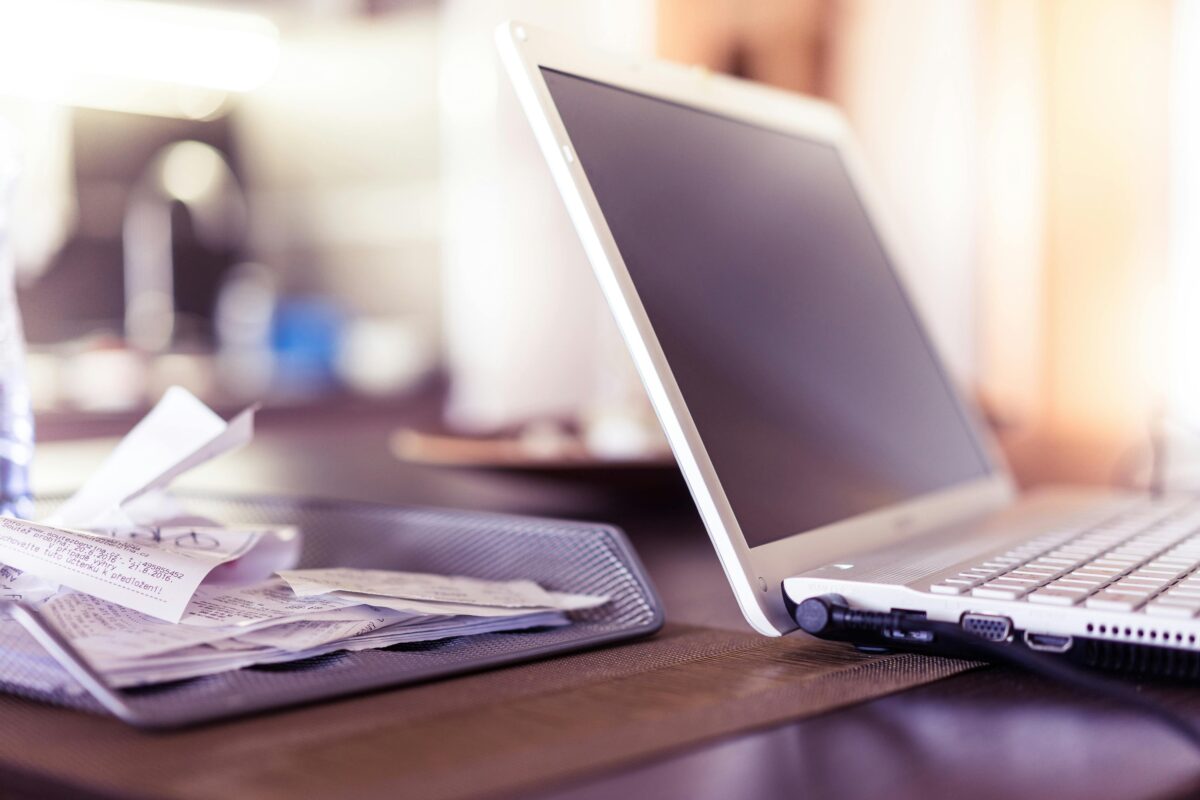
Receipts have a way of hiding in bags, drawers, folders, and glove compartments. Some are worth keeping for returns, taxes, or warranties, but most lose their value quickly. Holding on to every grocery slip and fuel receipt can create paper clutter that serves no purpose.
A simple system works better than random piles. Keep important receipts in one place and regularly clear out the rest. Paper clutter may look small, but it can make a home feel messy in a hurry.
Broken Electronics
Old phones, tangled chargers, dead remotes, unused tablets, and broken headphones often sit in drawers for years. People keep them because electronics feel valuable, even when they no longer work. The result is a drawer full of forgotten devices that never get repaired or reused.
If an item has been broken for a long time, it is unlikely to be a priority. Recycle it properly or donate what still works. Technology clutter takes up space and often leaves you feeling guilty every time you open the drawer.
Unused Mugs
Almost every home has too many mugs. Some came as gifts, some were bought on trips, and some appeared from nowhere. Before long, the cabinet is packed with mugs nobody reaches for.
Keep the ones you genuinely like and use. Let go of chipped, stained, awkward, or forgotten mugs. A kitchen cabinet should open smoothly, not threaten an avalanche every time someone wants tea.
Old Makeup
Makeup does not last forever, even when the container still looks fine. Old mascara, foundation, lipstick, and powders can dry out, change texture, or become unpleasant to use. Many people keep makeup because it was expensive, rarely used, or saved for “special occasions.”
Beauty products should make you feel fresh, not suspicious. If it smells strange, looks different, or has not been used in ages, it is probably time to let it go. A smaller makeup bag filled with products you actually use is better than a drawer full of expired promises.
Unread Magazines
Magazines often pile up with good intentions. People plan to read them later, save recipes, or keep decorating ideas. But after months or years, most stacks become dust collectors rather than useful inspiration.
If the information still matters, tear out the page or save a digital note. The full stack does not need to stay. Homes feel lighter when old reading material stops occupying corners, shelves, and coffee tables.
Damaged Nonstick Pans
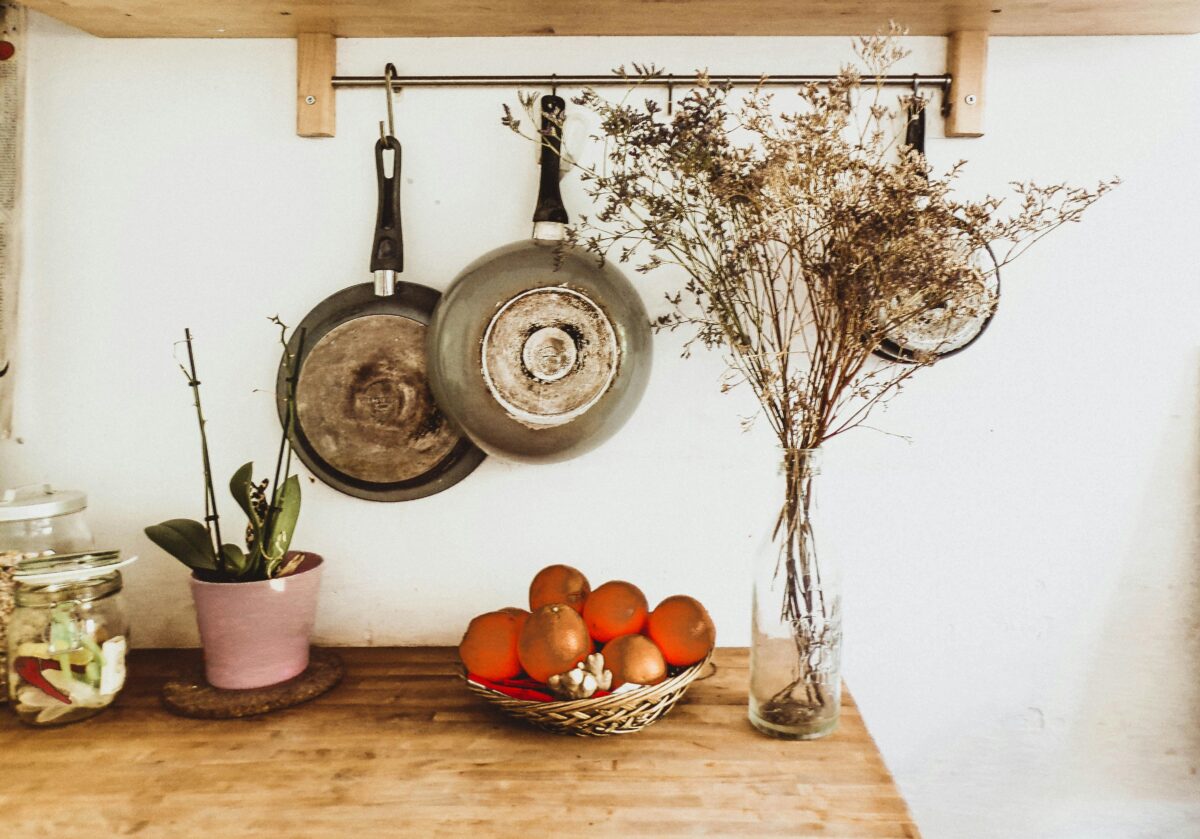
Nonstick pans are useful until the coating starts to scratch, peel, or flake. Many people keep using them because replacing cookware feels annoying or expensive. But damaged pans often cook poorly and become harder to clean.
A good pan should help, not fight back. Once the surface is badly scratched or the handle is loose, it is no longer worth keeping. Cookware should earn its place through safety, function, and reliability.
Clothes That No Longer Fit
Clothes that no longer fit can take up a lot of closet space. Some people keep them as a source of motivation, a memory, or proof of a past version of themselves. But a closet full of clothes you cannot comfortably wear can make dressing feel frustrating.
Your wardrobe should support the body and lifestyle you have now. Keep meaningful pieces if you truly value them, but do not let old sizes crowd out clothes that make you feel confident today. A useful closet should feel like help, not pressure.
Conclusion
Keeping things too long can make a home feel crowded, tired, and harder to manage. Most clutter does not arrive dramatically. It builds slowly through small decisions, delayed cleanups, and the hope that something might be useful again someday.
Letting go does not mean being wasteful. It means being honest about what still has a place in your life. Which item in your home has been waiting the longest for you to finally let it go?