7 Foods That Should Never Be Left Out Overnight
It happens in almost every home after a big holiday meal. The turkey is carved, the pies are cut and everyone drifts into the living room to watch football or take a nap. Hours later, someone notices that the leftovers are still sitting on the counter. The question is always the same: is it still good?
Many people grew up in households where food sat out for hours and nobody seemed to get sick. Grandma left the turkey on the stove overnight, and the stuffing stayed in the pan until morning. But food safety experts say those habits are risky, and the danger is easy to miss because spoiled food often looks, smells and tastes perfectly fine.
The U.S. Department of Agriculture has a simple rule: perishable food should not sit at room temperature for more than two hours. If it is hotter than 90 degrees, the limit drops to one hour. Here are seven foods that should never be left out overnight, along with the reasons why and how to store them safely.
Why the Two-Hour Rule Matters
Bacteria grow fastest between 40 and 140 degrees Fahrenheit, a range the USDA calls the Danger Zone. In that temperature range, some bacteria can double in number in as little as 20 minutes. Food left out overnight can build up enough bacteria, and in some cases toxins, to make people sick.
Reheating does not always fix the problem. Some bacteria produce toxins that are not destroyed by heat, so warming up leftovers that sat out too long will not make them safe. When in doubt, the USDA’s advice is simple: throw it out.
1. Cooked Turkey and Other Meats
The Thanksgiving turkey is the most famous example. After a long meal, the bird often sits on the counter while the family relaxes. But cooked poultry, beef, pork and ham are all perishable and should be refrigerated within two hours of coming out of the oven.
To cool a turkey quickly, carve the meat off the bone and store it in shallow containers in the refrigerator. Large pieces of meat cool slowly, which gives bacteria more time to grow. Cooked turkey keeps in the refrigerator for three to four days, according to the FoodSafety.gov storage chart, or it can be frozen for longer.
2. Cooked Rice
Rice is one of the most surprising foods on this list. Uncooked rice can contain spores of a bacterium called Bacillus cereus, and some of those spores can survive cooking. If cooked rice sits at room temperature, the spores can grow and produce toxins that cause vomiting and stomach cramps.
This is sometimes called “fried rice syndrome,” because it was linked to rice left out in restaurants before being fried. Cool leftover rice quickly, refrigerate it within two hours and reheat it until steaming hot. Rice that sat out overnight should go in the trash.
3. Stuffing and Dressing
Stuffing is a perfect place for bacteria to grow, because it is moist, dense and often contains meat juices, eggs, broth and butter. Stuffing that was cooked inside the turkey is especially risky if it did not reach a safe temperature of 165 degrees in the center.
Take stuffing out of the bird right after cooking and refrigerate it separately within two hours. Spread it into shallow containers so it cools quickly. Leftover stuffing that sat on the counter all night is not worth the risk.
4. Pumpkin Pie and Custard Pies
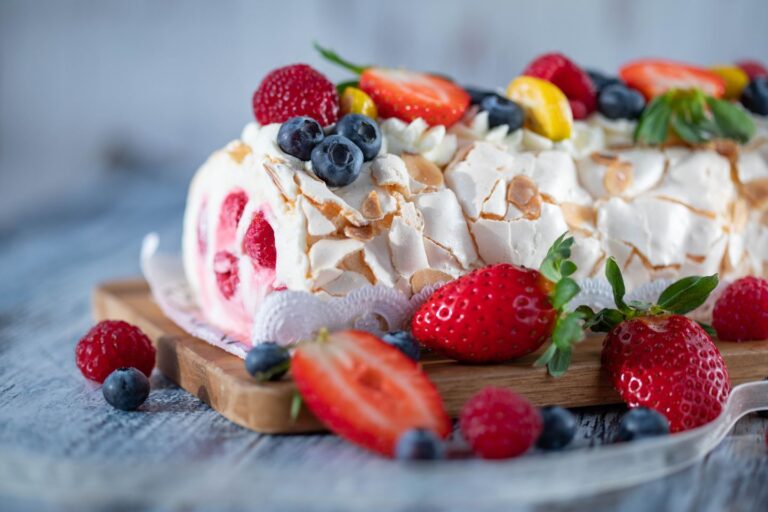
Many people are surprised to learn that pumpkin pie needs to be refrigerated. Pumpkin, sweet potato, custard, cream and chiffon pies are made with eggs and milk, which makes them perishable. The USDA advises refrigerating them within two hours after they cool.
Fruit pies like apple and cherry are different. Thanks to their high sugar and acid content, they can usually stay at room temperature for up to two days, then go in the refrigerator. But pumpkin pie left on the counter overnight should not be served the next day.
5. Dairy Dishes and Dips
Mashed potatoes made with milk and butter, creamy casseroles, cheese sauces, sour cream dips, cream cheese spreads and whipped cream desserts are all prime targets for bacteria. Dairy provides moisture and nutrients that bacteria love.
At parties, it is common for dips to sit out for hours. To keep them safe, serve smaller portions and replace them with fresh ones from the refrigerator. You can also place dip bowls on ice to keep them cold. Anything that sits out for more than two hours should be thrown away.
6. Cut Fruit and Melons
Whole fruits like apples and oranges are fine on the counter. But once fruit is cut, its protective skin is broken, and bacteria can grow on the moist surface. Cut melons are especially risky, because bacteria on the rind can be carried into the fruit by the knife.
Cantaloupe has been linked to several serious foodborne illness outbreaks over the years. Refrigerate cut fruit within two hours, and keep fruit platters cold when serving them at parties or holidays.
7. Cooked Pasta and Potatoes
Cooked pasta, potato salad, baked potatoes and pasta salads may seem harmless, but they can all grow bacteria when left at room temperature. Potato salad and pasta salad are extra risky because they often contain mayonnaise, eggs or other perishable ingredients, and they are often served at outdoor gatherings in warm weather.
Baked potatoes wrapped in foil are a special case. Food safety experts warn that foil-wrapped potatoes left at room temperature can create conditions for the bacteria that cause botulism. Remove the foil and refrigerate leftover baked potatoes promptly.
What About Foods That Are Usually Safe?
Not everything needs to be refrigerated right away. Breads, rolls, cookies, cakes without cream fillings and most fruit pies can safely sit out for a day or two. Whole fruits and vegetables that are not cut are also fine on the counter, though some last longer in the refrigerator.
The key question is whether a food is perishable. Anything with meat, poultry, seafood, eggs, dairy or cooked grains and vegetables generally should not sit out for more than two hours.
Simple Habits to Keep Leftovers Safe
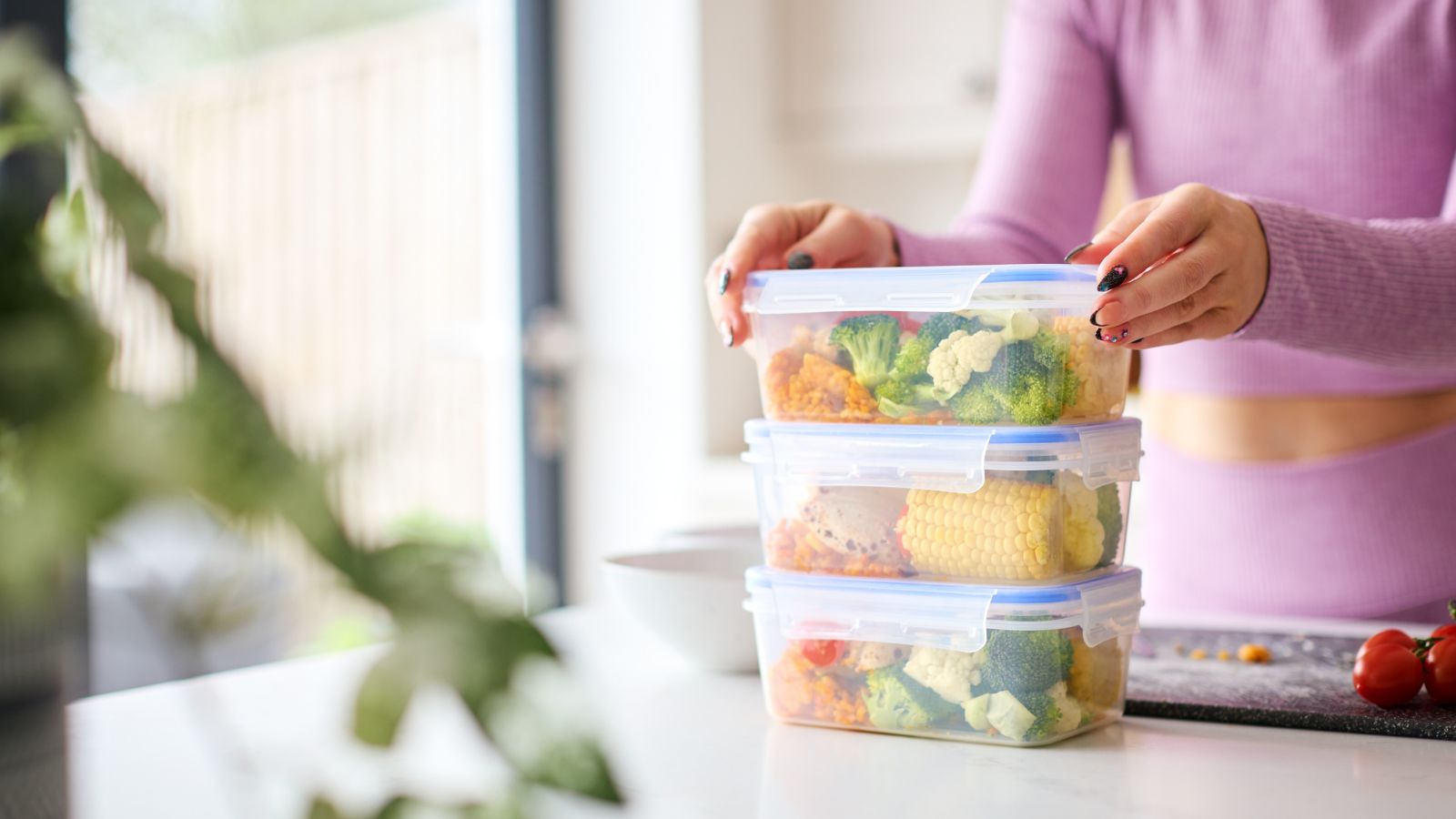
After a big meal, set a timer for two hours as a reminder to put food away. Divide large amounts of food into smaller, shallow containers so they cool faster. Do not overload the refrigerator, because cold air needs to circulate to keep food at 40 degrees or below.
Label leftovers with the date, and use them within three to four days. If you will not eat them in time, freeze them. Most cooked leftovers can be frozen for two to six months.
When in Doubt, Throw It Out
It can feel wasteful to throw away food, especially after spending so much time and money on a holiday meal. But foodborne illness can be serious, particularly for older adults, young children, pregnant women and people with weakened immune systems.
The best protection is simple: put leftovers away promptly, keep cold food cold and hot food hot and do not rely on smell or taste to judge safety. Some of the riskiest leftovers look completely normal, which is exactly why the two-hour rule matters so much.