7 American Traditions That Are Slowly Fading Away, But Older Generations Still Remember
There was a time when American families spent Sunday afternoons baking homemade pies, children played outside until the streetlights came on, and neighbors stopped by without texting first. These simple traditions brought people together and created memories that many older Americans still cherish today.
However, technology, busy schedules, and changing lifestyles have gradually reshaped American culture. While these seven traditions have not disappeared completely, they are no longer as central to everyday life as they once were.
Baking Everything from Scratch
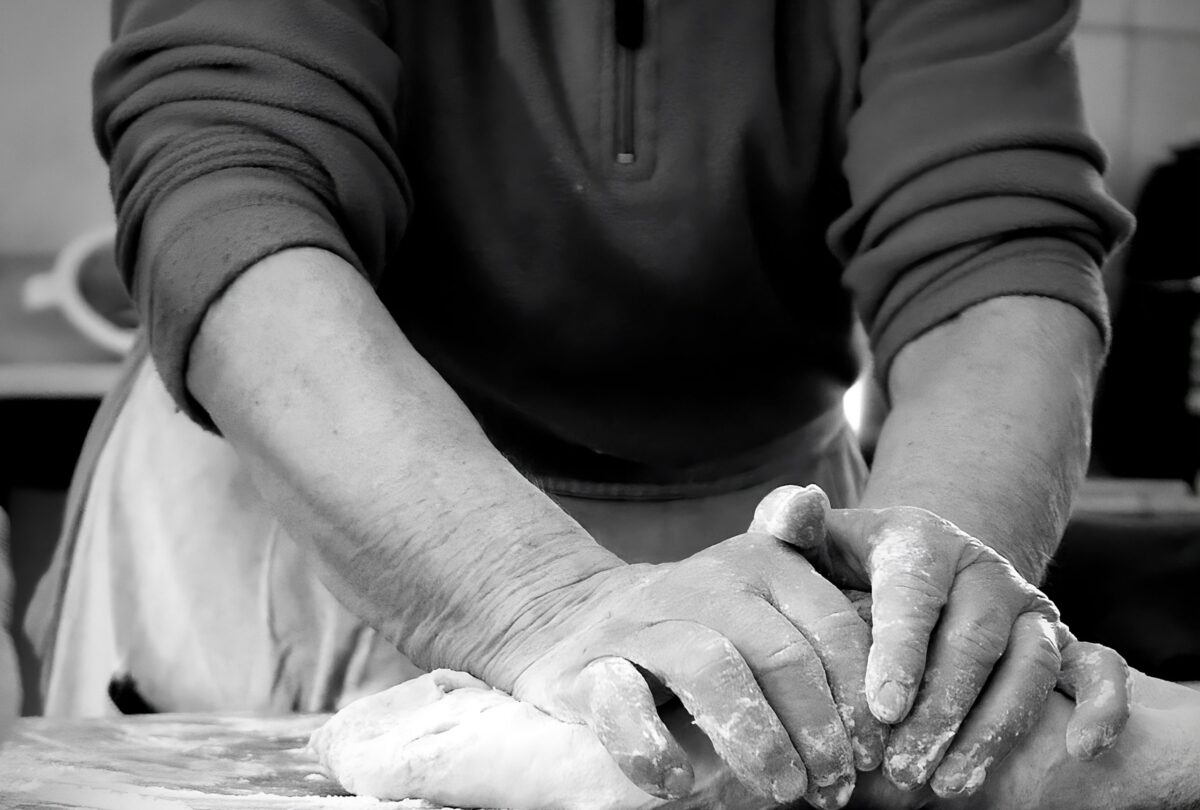
Many older Americans remember watching their mothers and grandmothers measure flour, knead dough, and prepare desserts using handwritten recipes passed down through generations. However, convenience gradually changed the way Americans approached baking.
According to America’s Test Kitchen, Betty Crocker introduced its first cake mix in 1947, and an estimated 186 million Americans used cake mix in 2020. Today, ready-made ingredients make dessert prep much easier for busy households, though some families still treasure the experience of baking together. Older generations often miss the smell of fresh bread, the flour-covered kitchen counters, and the satisfaction of creating something from basic ingredients.
Playing Outside Until the Streetlights Came On
For many older Americans, childhood meant riding bicycles, climbing trees, playing hide-and-seek, and returning home when the streetlights came on. Children could spend hours entertaining themselves without relying on electronic devices or organized activities.
According to the Children & Nature Network, 60% of American children spend fewer than four hours a week in nature. Concerns about neighborhood safety, increased screen use, and structured schedules have changed childhood play. Although outdoor adventures still exist, many older generations remember the freedom to spend an entire afternoon exploring the neighborhood.
Rolling Loose Change into Paper Wrappers
Before digital payments became common, many American households kept jars filled with pennies, nickels, dimes, and quarters. Once the jar was full, family members would gather around the kitchen table, count the coins, and carefully place them into paper wrappers before visiting the bank.
A 2022 Federal Reserve report found that the median household held between $60 and $90 in coins. However, automated coin-counting machines have made sorting change by hand less necessary. No national figure shows exactly how many Americans still roll coins manually, but modern alternatives have changed this once-familiar household routine.
Sending Handwritten Greeting Cards
Receiving a birthday card in the mailbox once felt like a special event, especially when it contained a thoughtful message from someone close. Families often displayed Christmas cards around their living rooms, while grandparents saved birthday cards from their grandchildren for years.
According to greeting card industry estimates, Americans purchase approximately 6.5 billion greeting cards annually, compared with around 7 billion in the early 2000s. Text messages, social media posts, and digital greetings now offer quicker ways to celebrate special occasions. Although physical cards remain popular, older generations often appreciate the personal effort behind choosing, writing, and mailing one.
Joining Local Clubs and Community Groups
Bowling leagues, gardening clubs, church groups, and neighborhood associations once gave Americans regular opportunities to build friendships outside their homes. These gatherings gave people something to look forward to each week and helped create a stronger sense of belonging.
According to the U.S. Census Bureau, formal volunteering declined from 30% in 2019 to 23% in 2021, although the pandemic influenced that change. Community participation has not disappeared, but the ways people connect have changed considerably. Older Americans may particularly miss the familiarity of meeting the same people every week, sharing local news, and forming friendships that lasted decades.
Knowing and Visiting the Neighbors
Borrowing a cup of sugar, chatting across the backyard fence, or stopping by a neighbor’s house for coffee were familiar experiences in many American communities. Today, people can live next door to one another for years without developing close friendships.
A 2025 Pew Research Center survey found that only 26% of American adults knew all or most of their neighbors, compared with 31% in 2018. Trust in most or all neighbors also declined from 52% in 2015 to 44% in 2025. Americans still help their neighbors, but spontaneous visits and regular conversations seem less common than many older generations remember.
Gathering Around the Television for a Favorite Show
Before streaming services, watching a favorite television program required planning around its broadcast schedule. Families finished dinner, settled into the living room, and watched the same show together, sometimes discussing the latest episode with friends or coworkers the following morning.
According to Nielsen, streaming accounted for 47.5% of television viewing in December 2025. Modern viewers can watch their favorite programs whenever they want, often on separate devices. While this freedom offers convenience, it has also changed the shared experience of gathering around one television and enjoying a program together.
Key Takeaways
Modern convenience has changed many traditional American household routines. Technology has reshaped how families socialize, communicate, and entertain themselves. Neighborhood relationships have weakened in some measurable ways.
Many traditional customs still exist and can be passed down to younger generations. Some traditions lack comprehensive historical data, so their decline should not be overstated.