10 Grocery Items Americans Say They’ve Stopped Buying Because of Rising Prices
You’re standing in the cereal aisle, holding two boxes and doing math you never used to do. The family-size option costs more than you expected, so you quietly put it back. Then you reach the snack aisle, notice the price of chips, and decide they can wait until next week. For many American shoppers, these small decisions are becoming part of an ordinary grocery trip.
A November 2026 report by NPR found that families across every income level are cutting back on grocery spending, based on data from 6 million Navy Federal Credit Union members. Some are buying less beef and fish, while others are switching to pasta, potatoes, and store brands. A separate November survey of 500 U.S. consumers found that 71% were cutting back to afford the holidays, with 37% reducing grocery and dining-out spending. Here are 10 grocery items shoppers say they buy less often or leave behind altogether.
Beef Is Becoming a Luxury for Some Families
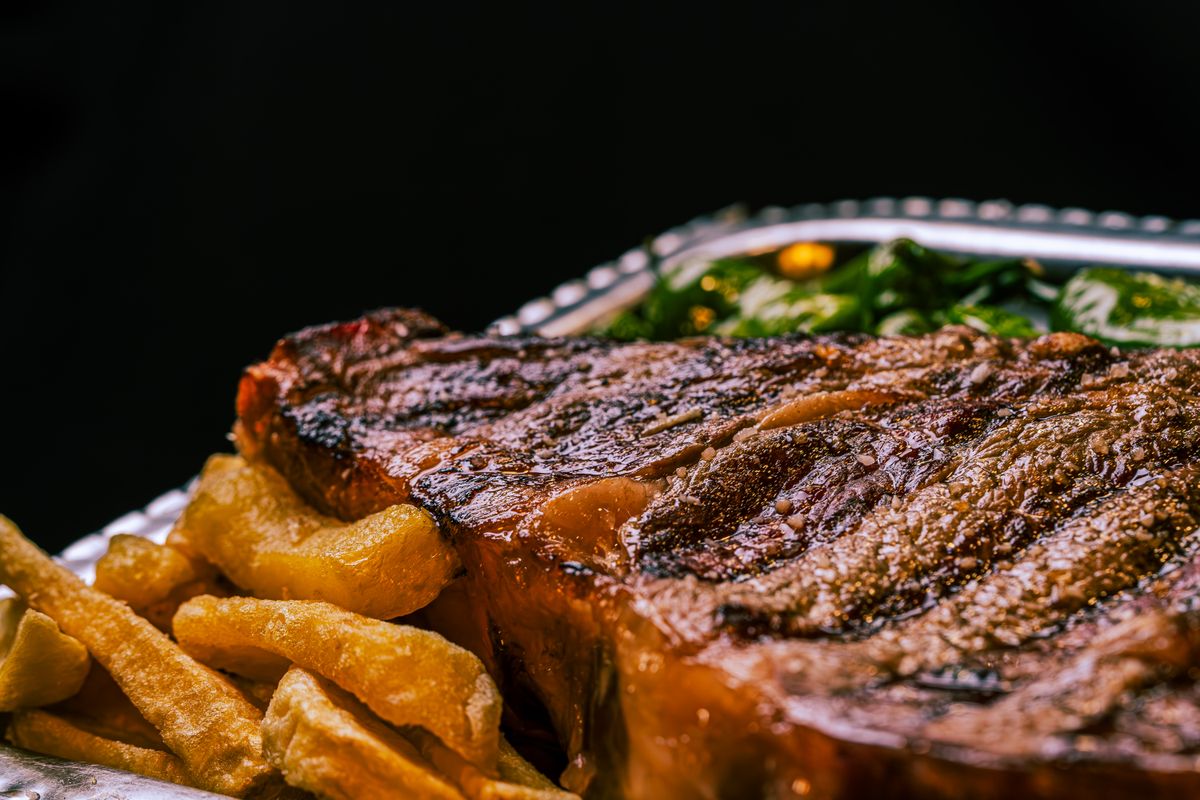
Beef has long been a familiar part of American meals, from weekend burgers and tacos to steaks and family dinners. However, its price is making some shoppers reconsider how often it belongs in their grocery carts. In an NPR report, Erin King of Starkville, Mississippi, described the situation bluntly, saying, “The price of beef is absolutely insane, so we just don’t eat beef really anymore.”
King has switched to ground turkey, although she admitted that it is not quite the same. Other shoppers are turning to chicken, pork, or cheaper cuts of meat to keep their grocery spending under control. USDA forecasts also point to continued pressure, with beef and veal prices expected to rise by an average of 8.7% in 2026.
There is an important distinction, though. Ground beef prices have not followed every other beef product in the same way, and the October 2026 average was slightly below the previous year’s level. Still, steaks and other cuts can be expensive enough to make a regular beef dinner feel like an occasional purchase.
Name Brand Chips Are No Longer an Easy Buy
A bag of chips used to be an easy addition to a grocery cart. Families bought them for lunchboxes, movie nights, parties, and quick snacks without thinking much about the price. Now, some shoppers say brands such as Doritos and Fritos are purchases they make only when a sale comes around.
A roundup by The Kitchn examined online discussions in which shoppers listed groceries they had stopped buying because of rising costs. Chips appeared as the most frequently mentioned item in that discussion. Some people said they had switched to store brands, while others had stopped buying them altogether.
The complaints are not limited to the price printed on the shelf. Some shoppers also feel that larger bags no longer offer the value they once did. One shopper featured in a BuzzFeed roundup compared the size of today’s family-size cereal boxes with regular boxes from several years ago, reflecting a broader frustration about getting less for the money. Store-brand snacks, popcorn, and other inexpensive alternatives are becoming easier choices for shoppers trying to control their spending.
Boxed Cereal Is Losing Its Place in the Breakfast Routine
Cereal has traditionally been one of the easiest breakfast options for busy households. Pour some into a bowl, add milk, and breakfast is ready. It is also a familiar choice for parents buying food for children. But shoppers increasingly question the value of some popular brands when they see the checkout total.
Online discussions featured in Cheapism and BuzzFeed include complaints about expensive cereal boxes and disappointing promotional prices. Some shoppers have mentioned seeing two boxes advertised for $11 or family-size packages priced around $12. These are individual shopping experiences rather than verified national average prices, but they show why some households are reconsidering the purchase.
The alternatives are often simple. Oatmeal, grits, and polenta can replace boxed cereal in some breakfast routines, while store brands offer another option for shoppers who still want the convenience of a familiar cereal. For families buying several boxes every week, even a small change in their breakfast habits can make the grocery budget easier to manage.
Soda Multipacks Are Becoming a Sale-Only Purchase
For many households, soda is a regular addition to the refrigerator. A 12-pack might be purchased for family dinners, weekend gatherings, or to have something cold available throughout the week. However, some shoppers now consider branded multipacks too expensive for an everyday purchase.
In a roundup published by The Kitchn, one shopper complained that paying $11 for a 12-pack was unreasonable. Others said they switched to store-brand soda or bought larger bottles only when discounted. These prices are individual examples and can vary by retailer and location, but the frustration is easy to understand.
The USDA also expects nonalcoholic beverage prices to grow faster than their historical average in 2026. That doesn’t mean every bottle or brand will rise at the same rate, but it adds context to shoppers’ concerns. For some households, soda is moving from an automatic weekly purchase to something they buy only when the price feels reasonable.
Fresh Berries Are Becoming Harder to Justify
Blueberries, strawberries, raspberries, and blackberries can make breakfast and desserts feel a little more special. They are also among the items shoppers sometimes remove when the grocery bill gets too high. In online discussions reviewed by The Kitchn and BuzzFeed, shoppers complained about seeing small containers of berries priced at levels they found difficult to justify.
One shopper asked how a small container of blueberries became $8.99, while another mentioned seeing berries for $13.99 at a local grocery store. These are reported individual prices, not national averages, and actual costs depend heavily on the store, season, and location.
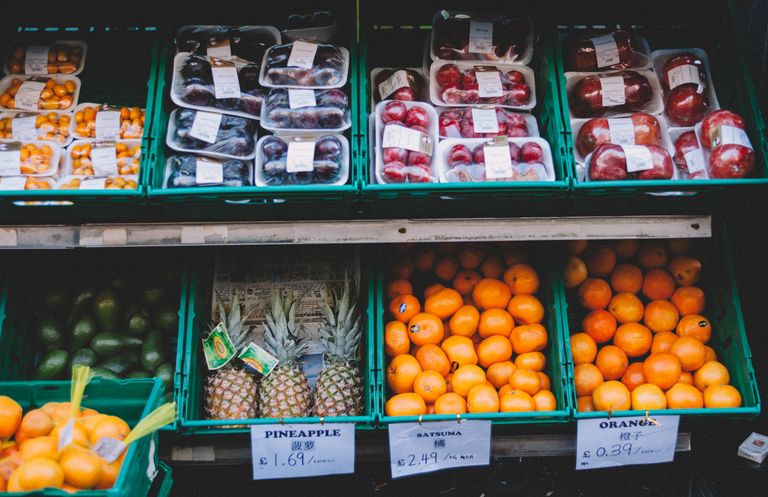
The USDA forecasts that fresh fruit and vegetable prices will rise faster than their long-term average in 2026. Some shoppers are responding by choosing bananas, apples, and other less expensive options. Frozen berries can also be an alternative when fresh ones are particularly costly. For households that regularly buy several containers each week, switching to seasonal or frozen produce may help keep the grocery total under control.
Coffee Is Getting a Closer Look at Checkout
For people who drink coffee every morning, giving up the habit is not always appealing. However, coffee prices have encouraged some shoppers to reconsider which brands and formats they buy. Coffee pods and premium bags can be especially hard to justify for people trying to cut recurring expenses.
Roasted ground coffee reached a record average of $9.72 per pound in April 2026, according to figures reported by Daily Coffee News using Bureau of Labor Statistics data. Prices have since eased, with the October 2026 average reported at $9.249 per pound. That means it would be misleading to suggest coffee prices are still rising at the same pace.
Shoppers are also changing how they prepare their coffee. Cheapism has reported that some consumers are moving away from individual pods and choosing ground coffee, French presses, or traditional drip machines instead. A July 2026 Drive Research survey also found that 68% of respondents had changed their coffee habits because of prices or economic concerns. For many people, the goal is not to stop drinking coffee but to find a less expensive way to enjoy it.
Chocolate Bars Are Becoming an Occasional Treat
A chocolate bar used to be one of those small purchases that rarely required much thought. You could pick one up at the grocery checkout or add it to a shopping basket for an evening treat. Now, some shoppers say the price makes them think twice before buying their usual brands.
In its July 2026 roundup, The Kitchn highlighted shoppers discussing rising costs for chocolate and other familiar grocery items. Some mentioned giving up the small chocolate bar they once enjoyed regularly, while others said they were reconsidering their usual evening treats.
The USDA expects prices for sugar and sweets to grow faster than their historical average in 2026. However, the available figures do not establish a specific national price increase for chocolate bars. Shoppers’ experiences also vary by brand, package size, and retailer. For people who still want chocolate at home, buying during sales or choosing a less expensive brand may be better than paying premium prices every time.
Premium Deli Meat Is Losing Its Everyday Appeal
Deli meat makes weekday lunches easier. A few slices of turkey or ham can turn ordinary bread into a quick sandwich, making premium brands a regular choice for busy households. But some shoppers say the cost of familiar deli names is hard to justify.
Boar’s Head was specifically mentioned in older discussions on Reddit’s r/inflation community. One commenter complained that the brand had become more expensive than steak, while another said they saw a turkey price increase from $8.99 to $14.99 per pound. These are individual claims, not verified national retail prices, so they should not be treated as standard prices across American stores.
Some shoppers are responding by switching to less expensive deli brands or preparing chicken and turkey at home for sandwiches. Others are simply buying deli meat less frequently. The appeal of a convenient lunch remains, but paying a premium for a particular brand is becoming a harder decision for some families.
Frozen Pizza Is Not Always the Cheap Dinner It Used to Be
Frozen pizza has long been a convenient option for nights when nobody wants to prepare a full meal. It can be placed in the oven with little effort, making it a familiar choice for families and people living alone. But some shoppers now question its value, particularly when the price approaches what they would spend on a different dinner.
Cheapism included frozen pizza among the grocery products consumers were reconsidering because of cost. Older discussions on Reddit’s r/Frugal community also featured complaints about rising prices for Aldi frozen pizza and other convenient frozen foods.
There are no verified current national price figures in the available sources to establish exactly how much frozen pizza has increased. Still, the complaints suggest that convenience alone is no longer enough to convince every shopper to put it in the cart. Some households are choosing homemade meals, discounted alternatives, or other inexpensive dinner options instead.
Hostess Snack Cakes Are Facing More Competition for Grocery Money
Twinkies, Donettes, and other packaged snack cakes have long been familiar impulse purchases. They are easy to grab at the supermarket or add to a lunchbox, and their individual packaging makes them convenient for quick treats. But some shoppers are becoming more selective about spending money on these products.
A November 2026 report by the Miami Herald highlighted declining sales in Smucker’s Sweet Baked Snacks category, which includes Twinkies, Donettes, and cupcakes. The company reported a 10% decline in net sales, equal to $25.1 million, during its fiscal second quarter of 2027. Volume and mix also fell by 11 percentage points, with snack cakes, breakfast products, and doughnuts contributing to the decline.
That figure does not prove that shoppers are abandoning snack cakes specifically because of higher prices. It does, however, show that the category is facing weaker sales. With household budgets under pressure, some shoppers may be choosing which convenience foods deserve a place in their weekly spending. For others, a packaged treat may become something they buy occasionally instead of automatically adding it to the cart.
Grocery Shopping Is Becoming More Selective
The changes shoppers are making do not mean Americans have stopped buying groceries altogether. Instead, many are reconsidering which products deserve their money and which ones can be replaced, postponed, or purchased only during sales.
NPR’s November report found that grocery cutbacks are affecting consumers across income levels. The USDA also expects some food categories to face greater price pressure than others, even as overall food-at-home inflation remains comparatively modest.
For shoppers, the challenge is deciding which familiar purchases are worth keeping and which ones can wait. Some households are adjusting by buying store brands, seasonal produce, cheaper cuts of meat, and sale-priced snacks.