10 Toys From the 1950s That No Longer Exist
Kids who grew up in the 1950s got the first toys built around television, the space race and the atomic age. Some of those toys, like the Slinky and Play-Doh, are still sold today. Plenty of others were dropped decades ago and now turn up only in museums, attics and collector auctions.
Here are 10 toys from the 1950s that you can’t buy new anymore. For each one, we’ve noted when it went away and where that history is documented, so you know these are truly gone and not just hard to find.

1. Gilbert U-238 Atomic Energy Lab
A.C. Gilbert, the man behind the Erector Set, sold a home science kit that came with four kinds of uranium ore, a Geiger counter and a cloud chamber. According to the Oak Ridge Associated Universities health physics museum, it was sold only in 1950 and 1951, for about $50.
Gilbert blamed the short run on the high price and how complicated the kit was. The U.S. Department of Energy says fewer than 5,000 were sold, which is why surviving sets now bring serious money from collectors. It is a good reminder that plenty of childhood rituals disappear without much notice, even the ones that seemed permanent at the time.
2. Robert the Robot
Ideal’s Robert the Robot showed up in the 1954 Sears Christmas catalog for just under $6. He stood about 14 inches tall, his eyes lit up, he could grip things with his arms, and he said a few phrases when you turned a crank on his back. Fast Company reports that Ideal kept making him into the 1960s, but he has been out of production for decades.
3. The Winky Dink “Magic Window” Kit
Long before touch screens, CBS aired “Winky Dink and You” on Saturday mornings. Kids mailed away for a thin plastic sheet that clung to the TV screen with static, plus “magic crayons” for drawing on it so they could help the cartoon hero on his adventures.
Open Culture reports that the show ran from 1953 to 1957. It ended partly over worries about kids sitting close to picture tubes, and partly because plenty of impatient kids skipped the plastic sheet and drew right on the glass. The kit went away along with the show, the same way so many nostalgic household items quietly disappeared.
4. Toni Play Wave Set
Ideal’s Toni doll was tied to the Toni home permanent, and little girls could buy a matching Play Wave kit to “perm” the doll’s hair with curlers and play lotion. The Strong National Museum of Play holds a Toni Play Wave set it dates to 1948 through 1955. You can still find old Toni dolls, but nobody has made the kit in about 70 years. It was the kind of present that sat in a holiday stocking next to the treats kids found in their 1950s Christmas stockings.
5. Howdy Doody’s T.V. Game
“Howdy Doody” was one of television’s first big children’s hits, and Milton Bradley turned it into a board game where players visited Howdy’s own TV studio. The Henry Ford museum dates its copy to 1950 to 1953 and calls it an early example of TV shows and toy makers teaming up. If you loved the show, you may also remember the other TV shows kids grew up with in the 1950s.
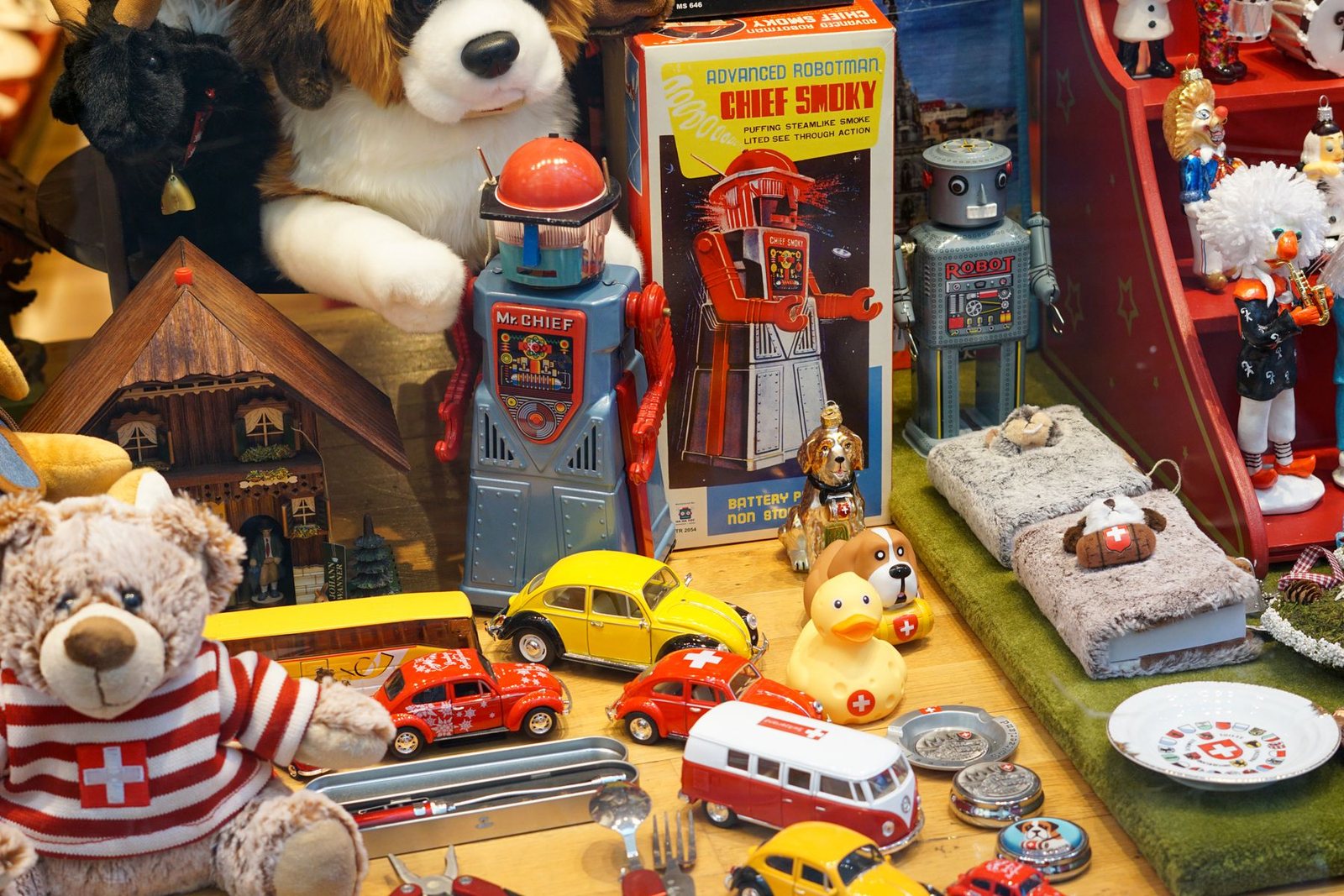
6. The Steel Hopalong Cassidy Lunch Box
A lunch box was a toy and a status symbol rolled into one. According to The Henry Ford, Aladdin Industries’ 1950 Hopalong Cassidy set was the first true picture lunch box, and it sold about 600,000 at $2.39 in its first year.
That steel style didn’t last. The museum notes that after parents and schools raised injury concerns in the 1970s, makers had switched from steel to plastic by 1987. Kids today carry soft insulated bags, which makes those painted steel boxes feel as dated as the odd American traditions visitors still ask about.
7. Tom Corbett Space Cadet Polaris Rocket
Louis Marx & Company made a wind-up tin rocket based on “Tom Corbett, Space Cadet,” a TV series that ran from 1950 to 1955 and helped make “Blast off!” a catchphrase. The Strong museum dates its Polaris rocket to 1952.
Marx was a giant back then. The Strong says the company made about a fifth of all toys produced in the U.S. in the 1950s, and Time called Louis Marx “the Toy King” in 1955, according to the museum’s blog. The lithographed tin rocket hasn’t been made since.
8. Official Captain Video Space Helmet
“Captain Video” was another early TV space hero, and Plaxall, Inc. sold kids an official plastic and vinyl space helmet around 1950. The Strong keeps one in its collection. The helmet is long gone from stores, and so is the show it was based on.
9. Marx Davy Crockett Toy Pistol
When Disney’s Davy Crockett craze hit in the mid-1950s, kids wanted the coonskin cap and everything that went with it. Marx made a brown plastic pistol with “Davy Crockett” on the barrel, and The Henry Ford dates the one in its collection to 1955 through 1960. Like most fad merchandise, it disappeared once the craze faded.
10. Mattel’s Burp Gun
Mattel was one of the early sponsors of Disney’s “Mickey Mouse Club” in 1955, and its Burp Gun was one of the toys it pushed on TV. Researcher David Buckingham describes the Burp Gun ads as part of the TV marketing that helped make Mattel a major company. Mattel has long since moved on, and the Burp Gun is now a collector’s item.
If one of these was under your tree, it might be worth checking the attic before the holidays. These toys don’t come back, but the memories are still worth sharing around the Thanksgiving table.