People Who Always Sit Facing the Door Usually Have These 5 Traits
Walk into any restaurant with a group of friends and watch what happens. Someone always heads straight for the seat against the wall, the one with a clear view of the front door. They may not even realize they do it, but they do it every time.
If that’s you, the habit probably says something about how you move through the world. Here are five traits people who always sit facing the door tend to share, drawn from research on how people choose their spots in a room and a little bit of American folklore.
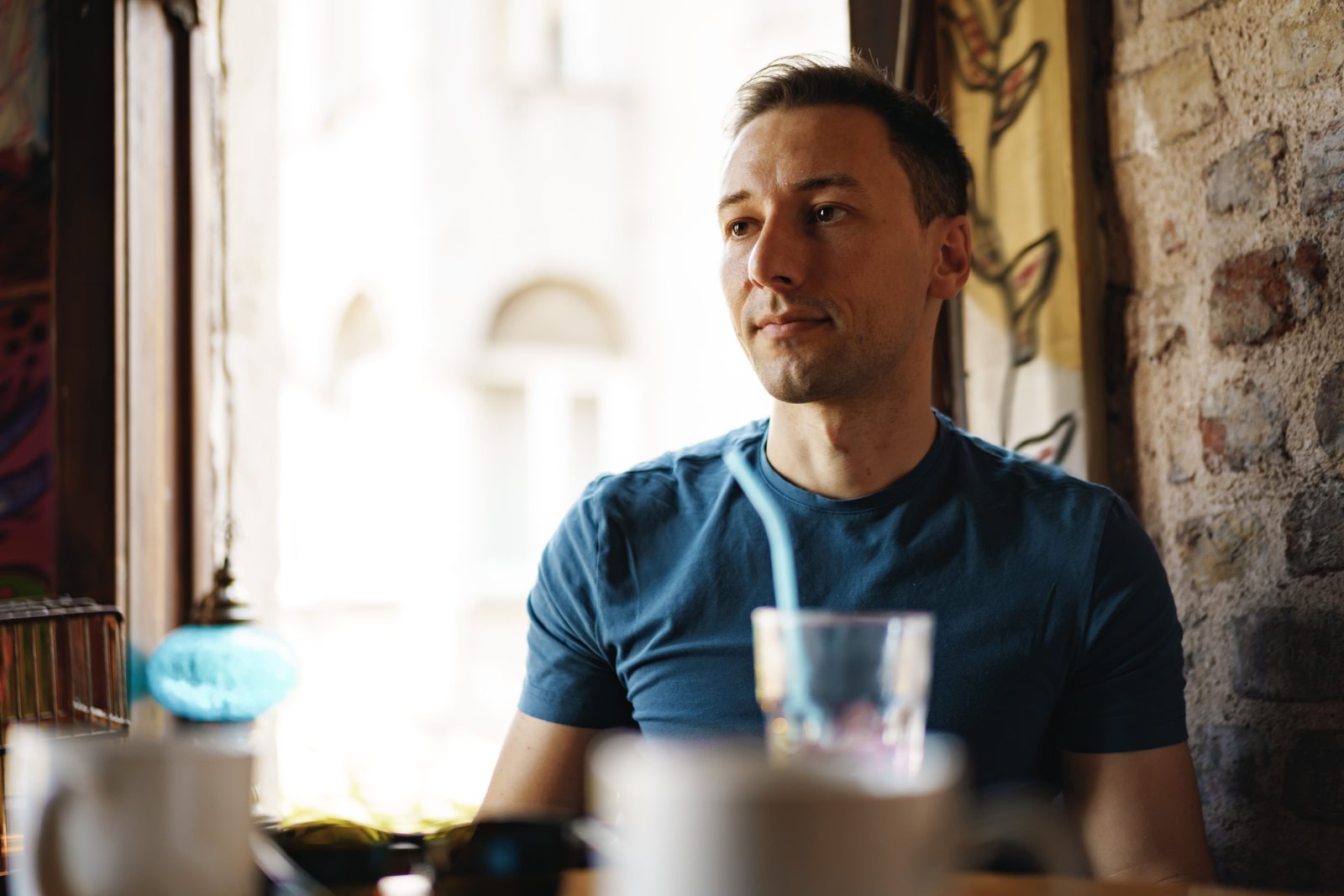
1. They Have Strong Situational Awareness
People who face the door like to know what’s going on around them. They notice who comes in, when the server is heading their way and when the line at the counter gets long. It isn’t nervousness so much as attentiveness.
There’s an old idea behind this. Researchers often point to British geographer Jay Appleton’s 1975 prospect-refuge theory, which describes a human preference for places that offer a wide view while also providing shelter. A 2017 study by researchers at University College London used that theory to look at seating in customer lounges and found that seat choice depends on several factors, including how much control people have over their position and how directly a seat faces the room.
These are often the same people who show up early and plan ahead, much like those who always arrive early at the airport.
2. They Like Feeling Settled and Secure
A seat with a wall at your back and a view of the room simply feels comfortable to a lot of people. A thesis from the University of Alabama on restaurant and retail spaces describes how protective spots, like booths and perimeter seats, together with clear sightlines, including a view of the door, can increase people’s sense of safety and even their satisfaction with a place.
People with this trait tend to know what they need to relax and quietly arrange things to get it. Travelers like this often remember the places they vowed never to return to partly because they never felt at ease there.
3. They’re Natural Observers
Facing the door gives people a front-row seat to the room, and many of them enjoy that. They tend to people-watch, read the mood of a crowd and pick up on small details others miss. Friends often rely on them to notice when someone new arrives or when the table next door is about to leave.
Observers are often good with people, too. They tend to remember faces and stories, a skill they share with those who remember everyone’s name.
4. They Tend to Be Protective of the People They Love
Many door-facers say the habit is about the people at the table as much as themselves. They like being the one who can see what’s coming, whether that’s a waiter with a full tray or a toddler about to make a run for the exit. Parents and grandparents often fall into this group.
It’s a bit like the way pets keep an eye on their families, and anyone who has read about the little ways dogs notice a change in your mood will recognize that same quiet watchfulness.
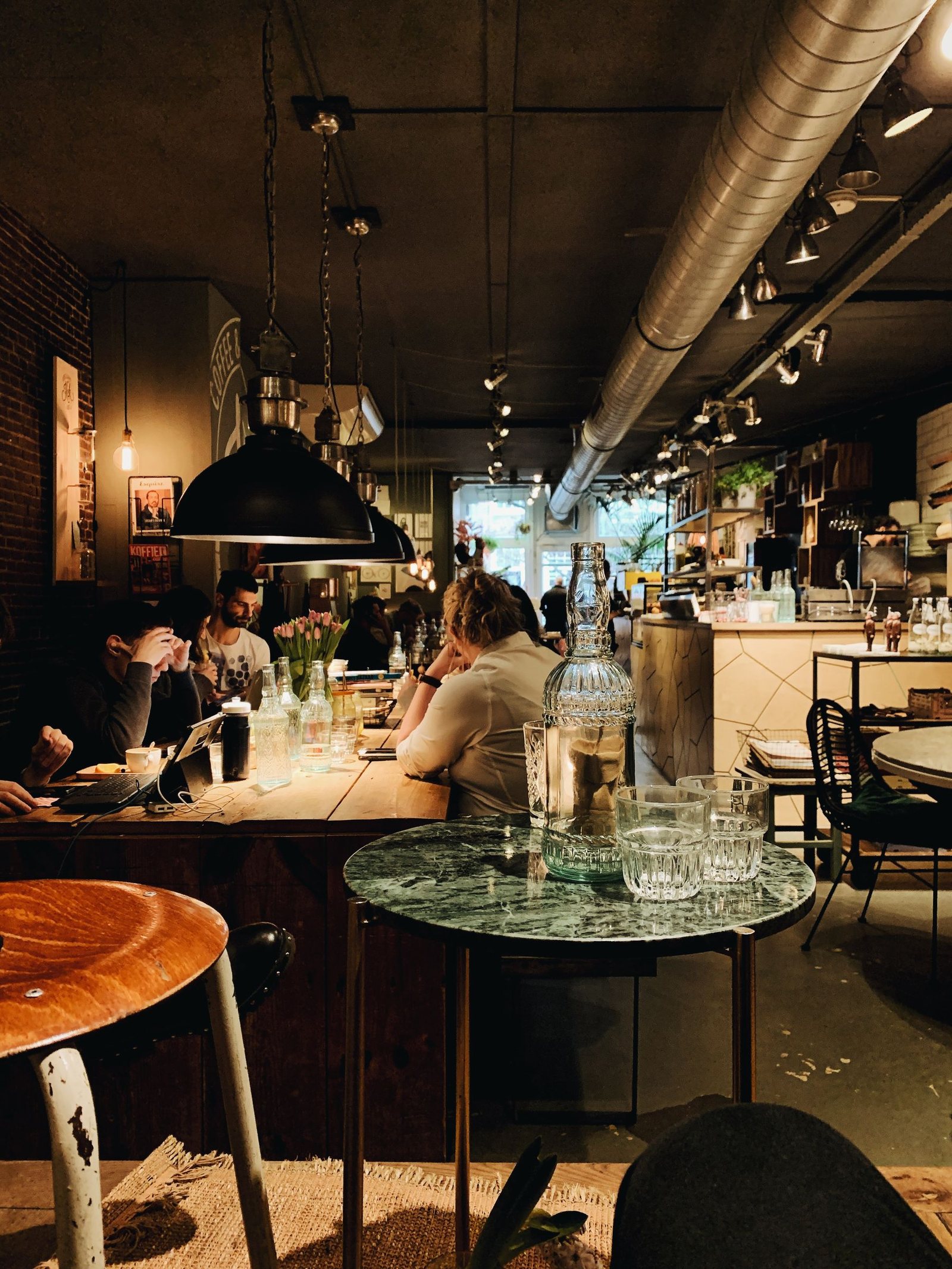
5. They Know What They Want and Ask for It
People who always sit facing the door usually don’t leave it to chance. They’ll ask for the booth, swap chairs with a friend or wait a few minutes for the right table. That kind of quiet self-assurance shows up in other areas of life as well, and it overlaps with the things people who know their worth do that others sometimes misread.
The habit even has a famous place in Old West lore. According to Britannica, frontier lawman Wild Bill Hickok was sitting “with his back uncharacteristically to the door” during his final poker game in Deadwood in 1876, and the cards he held became known as the “Dead Man’s Hand.” The story has been retold for generations as the reason some people never give up the seat facing the entrance.
Where Will You Sit This Thanksgiving?
Most people who face the door aren’t anxious or suspicious. They’re attentive, observant and comfortable knowing how a room works. Around a holiday table, that might mean they’re the first to spot a late-arriving cousin or the first to notice the pie coming out of the kitchen. Either way, if someone always grabs the seat with the view, now you know a little more about why.