8 Thanksgiving Leftovers You Should Toss Sooner Than You Think
For many families, the leftovers are the best part of Thanksgiving. Turkey sandwiches, cold stuffing straight from the container and a slice of pie for breakfast are traditions in their own right. Some people look forward to Friday’s fridge raid almost as much as the meal itself.
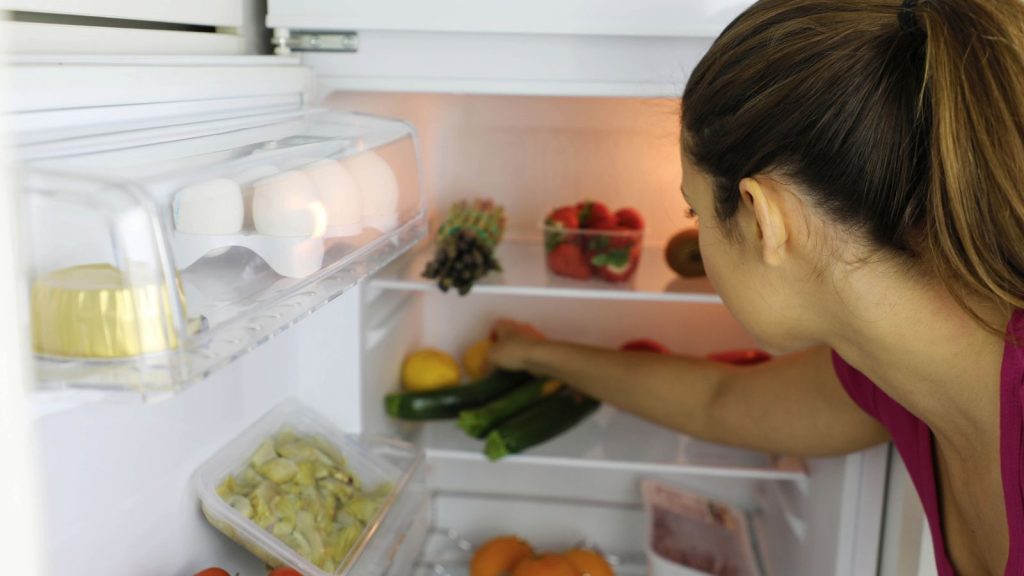
But leftovers don’t last forever, and some go bad faster than most people realize. A refrigerator packed with containers can make it easy to lose track of what was cooked when. By the following week, it is hard to remember whether that gravy is three days old or six.
Food safety experts at the USDA recommend eating most refrigerated leftovers within three to four days. Here are eight Thanksgiving leftovers that deserve extra attention.
1. Turkey
Turkey is the star of the meal, and there is usually plenty left over. Cooked turkey should be refrigerated within two hours of coming out of the oven and eaten within three to four days.
It helps to carve the meat off the bones before storing it. Smaller portions cool faster and more evenly in the fridge. If you know you won’t finish it in time, turkey freezes well and can be saved for soups and casseroles later in the winter.
2. Gravy
Gravy is one of the leftovers that goes bad the fastest. It is made from meat drippings and broth, which makes it a welcoming home for bacteria if it isn’t stored properly. Many food safety guides suggest using leftover gravy within one to two days.
When reheating, bring it to a rolling boil before serving. If it smells sour or has separated in an unusual way, it is best to throw it out.
3. Stuffing
Stuffing is moist and dense, which makes it a perfect place for bacteria to grow. It should never be left sitting in the turkey after the meal. Remove it from the bird right away and store it separately in a shallow container.
Like turkey, stuffing should be eaten within three to four days. Reheat it thoroughly to 165 degrees Fahrenheit before eating.
4. Mashed Potatoes
Creamy mashed potatoes are a holiday favorite, but they contain dairy, which can spoil quickly. Butter, milk and sour cream all shorten their shelf life.
Store mashed potatoes in an airtight container and eat them within three to four days. If you notice a sour smell or watery texture, it’s time to toss them.
5. Cranberry Sauce
Homemade cranberry sauce lasts a little longer than many other dishes because of its acidity and sugar. It can often keep for up to a week or more in the fridge. Still, it can grow mold, especially if it was left out on the table for a long time.
Canned cranberry sauce, once opened, should be moved to a covered container and used within about a week to 10 days. Check for mold before serving.
6. Pumpkin Pie
Pumpkin pie is made with eggs and milk, which means it needs to be refrigerated. Many people leave it out on the counter overnight after Thanksgiving, but food safety experts say pumpkin pie should be kept in the refrigerator.
Pumpkin pie generally keeps for three to four days in the fridge. If it was left out for more than two hours, it is safest to throw it away.
7. Green Bean Casserole
Green bean casserole is often made with cream of mushroom soup and topped with crispy onions. Like other dairy-based dishes, it should be refrigerated quickly and eaten within three to four days.
The crispy topping may get soggy in the fridge, but that is a texture issue rather than a safety one. If it starts to smell off, don’t take the chance.
8. Deviled Eggs
Deviled eggs are a popular appetizer at many gatherings. Because they combine eggs and mayonnaise, they are especially risky if left out too long. They should not sit at room temperature for more than two hours.
Refrigerated deviled eggs should be eaten within two to three days. If they were left on the table all afternoon, it is best not to save them at all.
The Two-Hour Rule
The most important rule for Thanksgiving leftovers is simple: refrigerate food within two hours after it’s cooked. Bacteria grow quickly between 40 and 140 degrees Fahrenheit, a range food safety experts call the “danger zone.”
It can be tempting to relax after the meal and leave everything on the table. But putting food away promptly helps it last longer and keeps everyone safe.
Tips for Storing Leftovers
Use shallow containers so food cools quickly. Label containers with the date so you know when they were cooked. Don’t overpack the refrigerator, because cold air needs to circulate.
If you won’t finish everything within a few days, freeze portions right away. Most Thanksgiving leftovers, including turkey, stuffing and mashed potatoes, freeze well and can make easy meals later in December.
Reheating Leftovers the Right Way
How you reheat leftovers matters just as much as how you store them. Food safety experts recommend reheating leftovers to an internal temperature of 165 degrees Fahrenheit, which is hot enough to kill most harmful bacteria. A food thermometer is the easiest way to check, especially for thick dishes like stuffing and casseroles.
When using a microwave, stir food halfway through and cover it to help it heat evenly, since microwaves can leave cold spots. Soups and gravies should come to a rolling boil. It is also best to reheat only what you plan to eat, rather than warming the whole container again and again, which can shorten how long the rest stays good.
When in Doubt, Throw It Out
It can be hard to throw away food, especially after spending hours cooking. But eating spoiled leftovers isn’t worth the risk. If you can’t remember when something was made, or if it looks or smells off, it is time to let it go.
Enjoy the turkey sandwiches and pie while they’re fresh. With a little planning, your Thanksgiving leftovers can be just as delicious as the meal itself, and just as safe.