8 Kitchen Habits From the 1960s That Would Shock Younger Cooks
The kitchen of the 1960s looked very different from the kitchens of today. There were avocado-green appliances, Jell-O molds cooling in the refrigerator and a can of bacon grease sitting proudly by the stove. Moms cooked from family recipe cards, magazines and the back of soup cans.
Many of the habits from that era were practical, thrifty and handed down from mothers and grandmothers who had lived through the Great Depression and World War II. They made sense at the time, and many families still remember them fondly.
But some of those habits would surprise or even alarm younger cooks today. Food safety rules, nutrition advice and cooking technology have changed a great deal. Here are eight kitchen habits from the 1960s that might shock a modern kitchen.
1. Keeping a Can of Bacon Grease by the Stove
In many 1960s homes, a coffee can or ceramic jar of bacon grease sat right next to the stove. Moms saved every drop to fry eggs, season vegetables and make gravy.
Younger cooks are often surprised that the grease sat out at room temperature for long periods. Today, many people prefer to refrigerate it, though plenty of Southern kitchens still keep the tradition alive.
2. Thawing Meat on the Counter All Day
In the 1960s, it was common to take a frozen roast or chicken out of the freezer in the morning and leave it on the counter to thaw until dinner. It was simple and convenient.
Today, food safety experts warn against this practice. The USDA recommends thawing meat in the refrigerator, in cold water or in the microwave, since bacteria can grow quickly at room temperature.
3. Using Lard in Almost Everything
Lard was a kitchen staple in many 1960s homes. Moms used it for pie crusts, biscuits, frying chicken and even cookies. It produced flaky pastries and crispy fried foods.
Younger cooks are often surprised by how much lard was used. Over time, vegetable shortening, oils and butter became more common, though some bakers still swear by lard for the best pie crust.
4. Washing Raw Chicken in the Sink
Many 1960s cooks rinsed raw chicken under running water before cooking it, believing it made the meat cleaner. It was a habit passed down through generations.
Today, food safety experts advise against washing raw chicken. Rinsing can splash bacteria around the sink and kitchen counters, while cooking chicken to the right temperature is what kills germs.
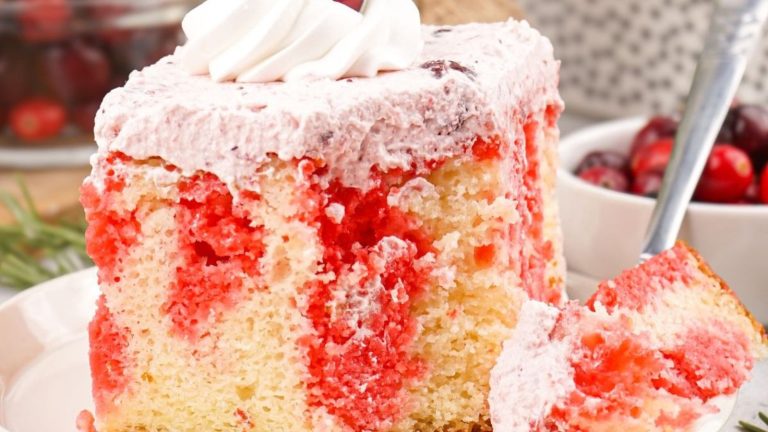
5. Making Everything Into a Gelatin Mold
The 1960s were the height of the gelatin craze. Moms made molds filled with fruit, vegetables, cottage cheese and even meat or seafood. Some salads were suspended in lime or lemon gelatin and served as a fancy side dish.
Younger cooks are often amazed that savory gelatin salads were once considered elegant. Today, gelatin is mostly reserved for desserts.
6. Letting Kids Lick the Raw Cookie Dough Bowl
For many children of the 1960s, licking the beaters and the bowl after Mom made cookies or cake was one of the best parts of baking. Nobody thought twice about it.
Today, health officials warn that raw dough can carry risks from raw eggs and uncooked flour. Many families now make special “edible” cookie dough instead.
7. Leaving Butter Out for Days
In many 1960s kitchens, a stick of butter sat on the counter in a butter dish all week. It stayed soft and ready for toast or biscuits.
Some younger cooks are surprised by this, though many people still do it today. Salted butter can usually sit out for a short time, but storing it for days at warm room temperatures can cause it to spoil.
8. Cooking With Canned Soup as a Base for Everything
Cream of mushroom, cream of chicken and tomato soup were the secret ingredients of 1960s home cooking. They were used to make casseroles, sauces, meatloaf glazes and even cakes.
Younger cooks may be surprised by how many recipes relied on canned soup. But for busy moms of the era, it was a quick and affordable way to put dinner on the table.
Why These Habits Were Common
Many 1960s cooks learned from mothers who lived through hard times, when wasting food was not an option. Saving bacon grease, using every scrap and making the most of inexpensive ingredients were signs of a well-run household.
Food science and safety guidance have also changed a great deal since then. Practices that seemed harmless were later found to carry risks, and new recommendations slowly replaced old habits.
What 1960s Kitchens Got Right
Not every habit from the 1960s needs to be left behind. Many cooks of that era were experts at stretching food and avoiding waste. They turned leftover roast into hash, used vegetable scraps for soup and baked day-old bread into puddings and stuffing.
They also cooked at home far more often than many families do today. Family dinners around the table were a nightly tradition in many homes. Those habits of thrift and togetherness are ones that many younger cooks are now trying to bring back.
Many of their recipes still hold up too. Pot roast, homemade biscuits and apple pie made from scratch remain favorites, and plenty of younger cooks are learning them from grandparents and old recipe boxes.
Nostalgia Still Lives in the Kitchen
Even with all the changes, many families still cherish the recipes and traditions of 1960s kitchens. Casseroles made with canned soup, homemade pie crusts and Jell-O desserts still appear at holidays and potlucks.
Some habits have been updated, while others remain part of family traditions. Either way, the kitchens of the 1960s helped shape the way generations of Americans cook and eat today.
Many of those old habits also tell a story about the women who cooked in that era. They fed large families on tight budgets, often without the appliances and convenience foods available today, and their resourcefulness still earns respect. Their kitchens may look dated now, but their skills and spirit are still worth learning from.