6 Red Flags Your Home Needs More Than a Good Cleaning
A house has its own way of telling you when something needs attention. Sometimes, it’s a mysterious stain on the ceiling. Other times, it’s a dryer that seems to take all afternoon to finish a single load of towels. These little inconveniences are easy to overlook, especially when life gets busy.
However, there is a difference between a home that needs a Saturday morning cleaning session and one that requires actual maintenance. Knowing how to recognize that difference could save you money and prevent unnecessary repairs.
Here are six sneaky signs your home is overdue for some tender loving care and when you should consider calling a professional.
Ceiling and Wall Stains That Keep Returning
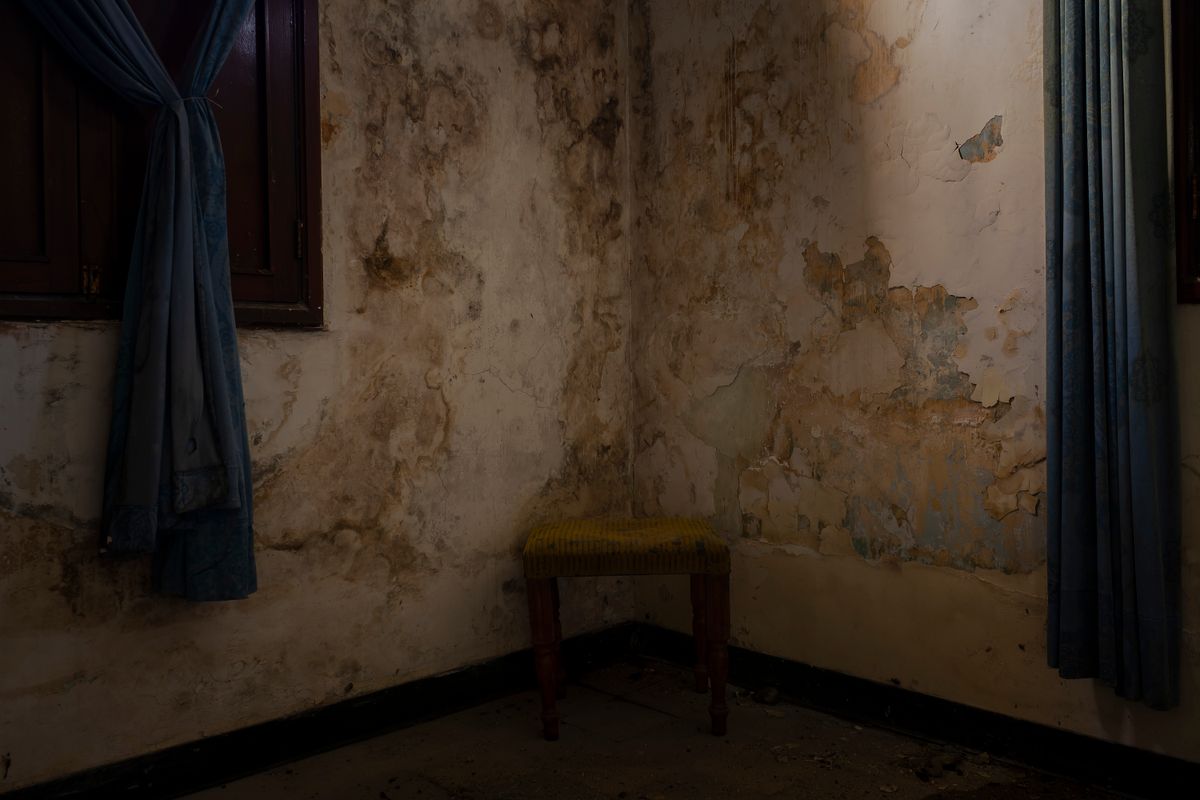
You painted over that mysterious brown patch last summer, yet somehow, it has made another appearance. Unfortunately, another coat of paint probably isn’t the answer. Yellow or brown stains, bubbling paint, and peeling wallpaper can indicate that water has found its way into places where it doesn’t belong.
These marks commonly appear beneath bathrooms, near exterior walls, or directly below the roof. According to the Environmental Protection Agency (EPA), you must address the moisture source before repairing affected surfaces. Painting over the problem merely conceals the evidence.
Watch whether the stain grows after heavy rainfall or when someone uses the upstairs bathroom. These patterns could help identify the source. While ordinary dust and surface marks are easy to clean, recurring water stains and soft ceiling materials deserve professional attention. A plumber or roofing specialist may help identify the underlying problem before it becomes a more expensive repair.
Your Dryer Takes Longer Than It Used To
Remember when drying a load of laundry only required one cycle? Now, your towels need another round, and the laundry room seems permanently decorated with lint. Before blaming your aging appliance, consider whether its ventilation system needs attention.
The U.S. Consumer Product Safety Commission explains that accumulated lint can restrict airflow inside a dryer and its exhaust duct. Clothes remaining damp after a normal drying cycle may indicate a blockage. Start by cleaning the lint screen after every load and removing dust that builds up behind the appliance.
Check whether the outdoor exhaust vent opens properly while the dryer operates. The U.S. Fire Administration also recommends inspecting the vent behind the dryer for damage or crushing.
If cleaning the accessible areas doesn’t improve performance, consider hiring a dryer vent cleaning professional. Replacing the entire appliance might be unnecessary when the actual problem is hiding behind it.
Your Gutters Are Growing Their Own Garden
Plants belong in flower beds, not along the edge of your roof. If your gutters have started growing little seedlings, they’ve probably been collecting debris for longer than you realize. Leaves, dirt, and other outdoor debris can accumulate inside gutters,preventing rainwater from flowing away from your house properly.
The EPA recommends regularly cleaning and repairing gutters while ensuring that the ground slopes away from the foundation. The next time it rains, observe your gutters from ground level. Water pouring over the edges, sagging sections, and puddles near exterior walls suggest that something isn’t working correctly.
Cleaning accessible gutters may resolve ordinary blockages. However, damaged sections, persistent overflow, or gutters that are difficult to reach are better handled by professionals. Your gutters might not be the most exciting feature of your house, but they deserve more attention than they typically receive.
Bathroom Grime Returns Almost Immediately
You scrubbed the shower, cleaned the tiles, and gave the bathroom a thorough makeover. A few days later, those stubborn dark spots are back. Instead of buying another expensive cleaning product, find out why the bathroom stays damp.
The EPA recommends improving bathroom ventilation and cleaning affected surfaces regularly to manage recurring mold buildup. Opening a window or operating an exhaust fan can help reduce lingering moisture. Inspect the caulking around your bathtub and shower, too. Peeling or separated caulk may allow water to reach areas behind the visible surface.
Ordinary surface buildup can often be addressed with detergent, water, and thorough drying. However, soft drywall, persistent discoloration, and extensive water damage may require professional repairs. Sometimes, the bathroom doesn’t need stronger cleaning products. It may just need better ventilation or repairs to worn materials.
Your Windows and Pipes Are Constantly Sweating
A little condensation on a cold morning isn’t necessarily unusual. However, windows that regularly collect puddles of water deserve closer attention. Excess indoor moisture can leave windowsills damp, while cold water pipes may develop noticeable droplets.
The EPA recommends keeping indoor humidity between 30 and 50 percent when possible and below 60 percent. Simple adjustments include running bathroom exhaust fans, improving ventilation while cooking, and insulating cold water pipes where appropriate.
An inexpensive humidity monitor can also help you understand what’s happening inside your home. If condensation continues despite these adjustments, a professional may help determine whether ventilation, insulation, or another underlying issue needs attention. Constantly wiping your windowsills might keep them looking presentable, but it won’t necessarily resolve the problem.
Nobody Remembers Servicing the Water Heater
Water heaters are remarkably easy to forget. They sit quietly in basements, garages, or utility closets until something stops working as expected. However, sediment can accumulate inside tank-style water heaters over time.
Pacific Northwest National Laboratory recommends flushing water heaters approximately once a year, following manufacturer instructions, to remove accumulated sediment and support long-term performance. Check your maintenance records and owner’s manual to determine what servicing your particular model requires.
If you notice rust, dripping water, or unexplained moisture around the tank, contact a plumber. These issues require more than routine dusting or cleaning.
Key Takeaway
A well-maintained home doesn’t need to look spotless every day. What matters is recognizing the difference between ordinary mess and signs of underlying maintenance problems.
Addressing small issues early, following maintenance schedules, and knowing when to call a professional can help keep your home comfortable, functional, and less expensive to maintain.