A Bartender Says She Remakes Any Drink a Customer Doesn’t Like and Takes It Off the Bill, Sparking Debate About Hospitality
You take one sip of the cocktail you ordered, and it’s just not for you. Do you quietly drink it, ask for something else and pay for both, or say nothing and never come back?
Bartender Elissa Dunn, who posts on TikTok as @hellqueencocktails, has a firm answer, and it got people talking. As BroBible reported, she says she’ll remake the drink and take the original off the bill, no matter what.
The House Rule That Started It
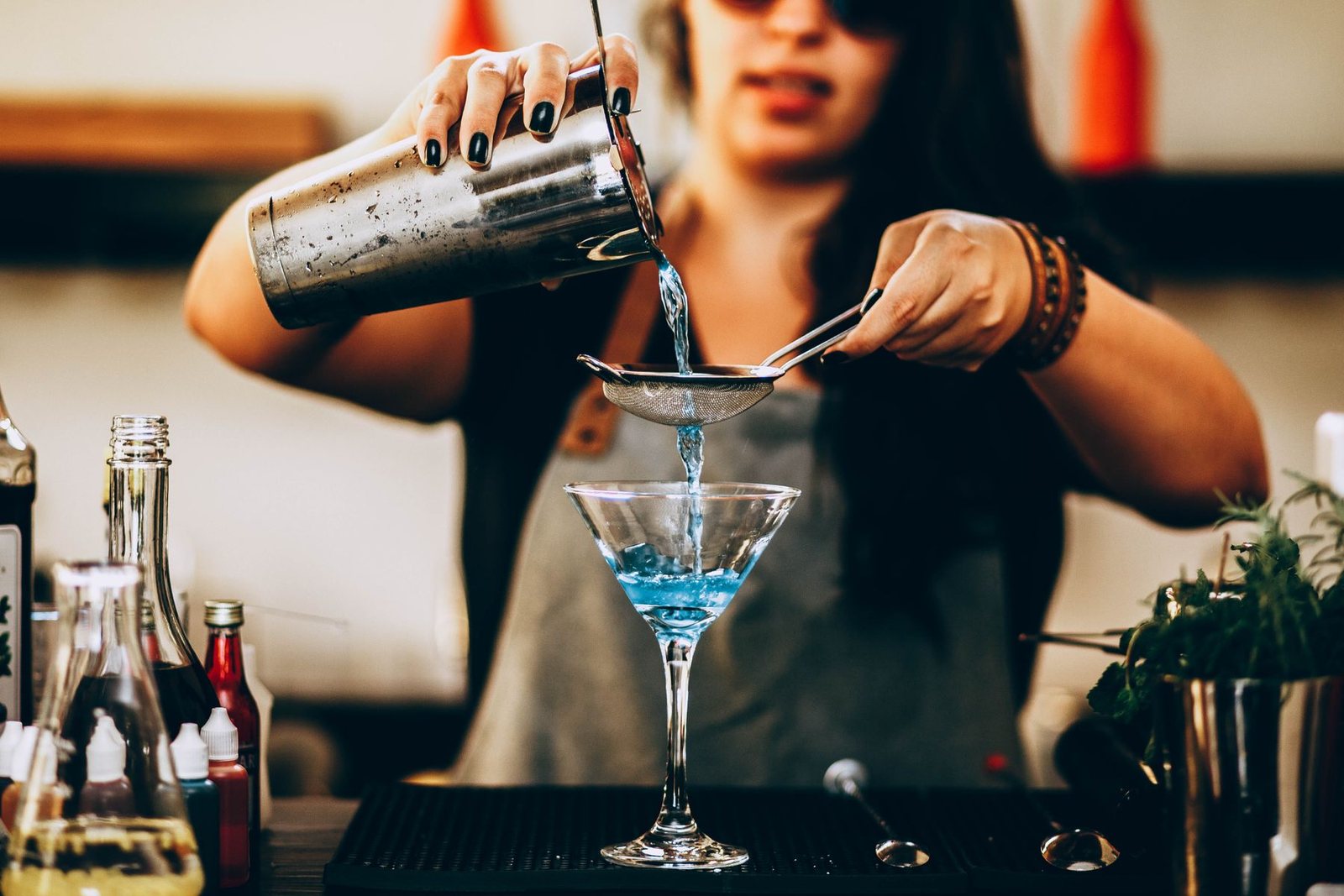
In her TikTok video, Dunn explains her approach in plain terms. If a guest doesn’t like their drink, she makes them something else, and the replacement is the only drink that lands on their tab. According to BroBible’s write-up, the clip had passed 73,000 views.
The twist is that she doesn’t budge even when the customer is being gracious about it. “Even if they say, ‘I’m happy to pay for it,’ I will still take it off their bill,” she says.
Margins, Meet Hospitality
Dunn admits this isn’t standard practice everywhere and calls it a controversial stance. Her reasoning boils down to one line: “Margins are not more important than hospitality.” In her view, the job is to make people feel taken care of, not to squeeze a few extra dollars out of a drink someone didn’t enjoy.
It’s a philosophy anyone who has ever winced through a too-sweet margarita can appreciate, especially if the replacement turns out to be something simple and bright, like a citrus sparkler mocktail. It’s also the kind of quirky custom that makes American bar culture, tipping and all, one of those odd American traditions that confuse the rest of the world.
Why She Isn’t Worried About Freeloaders
Dunn says complaints are rare to begin with, so when someone speaks up, it usually means they truly dislike what’s in the glass. She also argues the policy pays for itself by building goodwill and repeat business. She does acknowledge that a few people might try to game it, but she says that’s uncommon.
Bartenders have plenty of opinions about customer habits in general, and some ordering quirks raise more eyebrows than a returned cocktail ever could, as we covered in the drink ordering habit that sends up red flags for bartenders.
The Bar Crowd Weighs In
BroBible pointed to discussions among bartenders on Reddit, where the advice is a little more conditional. In one r/bartenders thread, the general consensus is that a barely touched drink should be comped. If the glass is mostly empty, though, some suggest offering a smaller replacement instead of a full one, and others say it’s worth checking whether the drink was simply made wrong.
It’s easy to see why the idea divides people. To a customer, it sounds like the kind of place you’d happily become a regular at. To an owner watching every dollar, it can sound generous to the point of risky, and it nudges at one of those unwritten social norms some people think should be abandoned, the idea that you quietly pay for whatever you ordered, no matter what. It also raises a practical question: if the first drink is comped, should you still tip on it, since the bartender did the work twice? That’s one more entry in the never-ending conversation about where Americans are now asked to tip.
The Fine-Dining Connection
Dunn’s thinking echoes a big idea in the restaurant world. Will Guidara, former co-owner of New York’s Eleven Madison Park, has spent years arguing that service is the technical part of the job while hospitality is how the experience makes people feel. In a McKinsey Author Talks interview about his book “Unreasonable Hospitality,” he describes going beyond what guests expect as a deliberate business strategy rather than a giveaway.
Boston University’s hospitality review made a similar case in “The Pursuit of Hospitality Needs to Be Unreasonable”, arguing that the small, generous moments are what guests remember most.
Where the Rule Has Some Wiggle Room
Even Dunn isn’t absolute about it. She says the policy could change for very expensive spirits or ingredients that are hard to come by. A guest who orders a pricey pour and then decides they’d rather have a light beer is a different situation from someone who just doesn’t love a house cocktail.
That nuance is where much of the real debate lives. A $12 drink is one thing. A rare whiskey is another. Most people would agree that sending back a drink because it was made wrong is different from simply changing your mind after a few sips, and Dunn’s caveats seem to recognize that line.
What the Video Can’t Tell Us
It’s worth noting what a short clip leaves out. Dunn doesn’t name her bar or city in the coverage, so there’s no way to know whether this is her own call, a policy her employer backs, or something she handles case by case. The video also can’t show how often guests actually take her up on it, or whether the goodwill really translates into repeat visits.
So, Who’s Right?
For customers, the policy sounds like a dream. For bar owners running on thin margins, it might sound like a nightmare. For Dunn, it seems to be a simple statement of what she thinks her job is.
Would a rule like this make you more likely to become a regular, or do you think customers should pay for what they ordered, sip or no sip? The bar crowd is still arguing it out.