Afroman Wants to Build a Black-Friendly Community. His Vision Raises Big Questions About Race, Family, and Belonging
Where can Black families build a life without worrying about their children being called racial slurs? That concern is behind an unusual idea from rapper Afroman, who says he wants to create a Black-friendly community where respect, cultural identity, and a shared sense of belonging come first.
The rapper has discussed the idea in interviews, and social media posts have amplified the story, describing plans for two cities: one in Palmdale, California, and another in Ohio.
It is certainly an attention-grabbing proposal. But the story is more than viral headlines suggest. Afroman has discussed buying land and creating a community, although the available interviews do not establish that two formally planned cities have been approved or are ready for construction.
So, what exactly does he have in mind?
Afroman Wants Children to Grow Up Without Racial Slurs
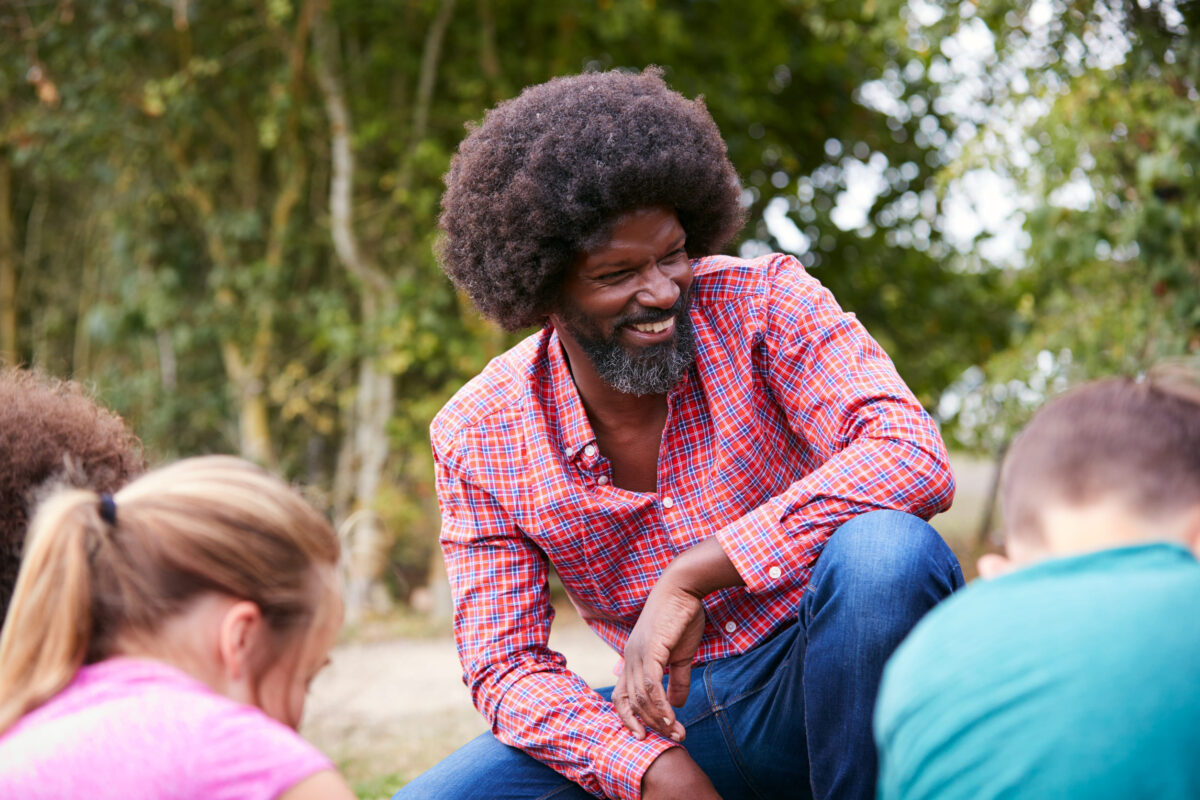
During an appearance on Shannon Sharpe’s Club Shay Shay, published on August 5, 2026, Afroman explained that he wanted to create a place where Black families could live without regularly hearing the N-word.
His concern goes beyond how adults speak to one another. He specifically discussed children growing up in an environment where they do not have to deal with degrading racial language.
In the interview, he said he wanted positive Black people who did not want their children called the N-word to have a community of their own.
He also made it clear that his objection extends to Black people using the word among themselves. He described his vision as an anti-N-word African American community.
For Afroman, this is about creating an environment where certain values are shared rather than constantly debated.
He even described the atmosphere he wanted children to experience. Instead of hearing racial insults, he envisioned a child being welcomed with the word “brother.”
That may sound like a simple expectation, but it represents something bigger in his argument: the desire to raise children in a place where they feel respected and accepted.
He Wants to Build on the Legacy of Historic Black Communities
Afroman’s idea has clear historical parallels.
During the interview, he specifically mentioned Greenwood, the historic Black business district in Tulsa, Oklahoma, as an example he wants to improve upon.
Greenwood became one of America’s best-known centers of Black entrepreneurship and community life in the early 1900s. It had Black-owned businesses, hotels, professional services, and entertainment establishments.
However, the community suffered devastating destruction during the 1921 Tulsa Race Massacre, when white mobs burned and looted approximately 35 blocks.
Greenwood was later rebuilt, and its history remains an important part of America’s story.
Other historic Black communities also demonstrate how people came together to create opportunities and establish independent institutions.
Eatonville, Florida, incorporated in 1887 after Black residents organized to build their own town. Black leaders Isaiah T. Montgomery and Benjamin T. Green founded Mound Bayou, Mississippi, in 1887.
Then there is Allensworth, California, founded in 1908 by Colonel Allen Allensworth and other Black organizers.
These communities were built around ideas of property ownership, economic independence, education, and freedom from racial discrimination.
Afroman appears interested in carrying some of that spirit into modern America. However, history also offers a practical lesson: buying land is only the beginning. Building a sustainable community requires infrastructure, businesses, reliable services, and long-term investment.
Palmdale and Ohio Are Part of the Viral Conversation, but the Details Remain Unclear
Social media posts have described Afroman’s ambition as two separate cities, one in Palmdale and another in Ohio.
However, the original interviews reviewed so far do not independently confirm a finalized two-city development plan.
In his interviews, Afroman moves between the words community, town, and city. During the Club Shay Shay conversation, he even clarified that what he imagined did not necessarily have to be a formally incorporated city.
He also discussed owning property and referred to a 195-acre figure during the conversation. Still, the available information does not establish which specific parcels would be used for the proposed development.
Important questions remain about funding, investors, construction plans, permits, and development timelines.
None of these details have been independently verified in the available reporting.
That does not mean the idea is impossible. It simply means there is a difference between having a vision and having a development project ready to go.
Building a City Is More Complicated Than Buying Land
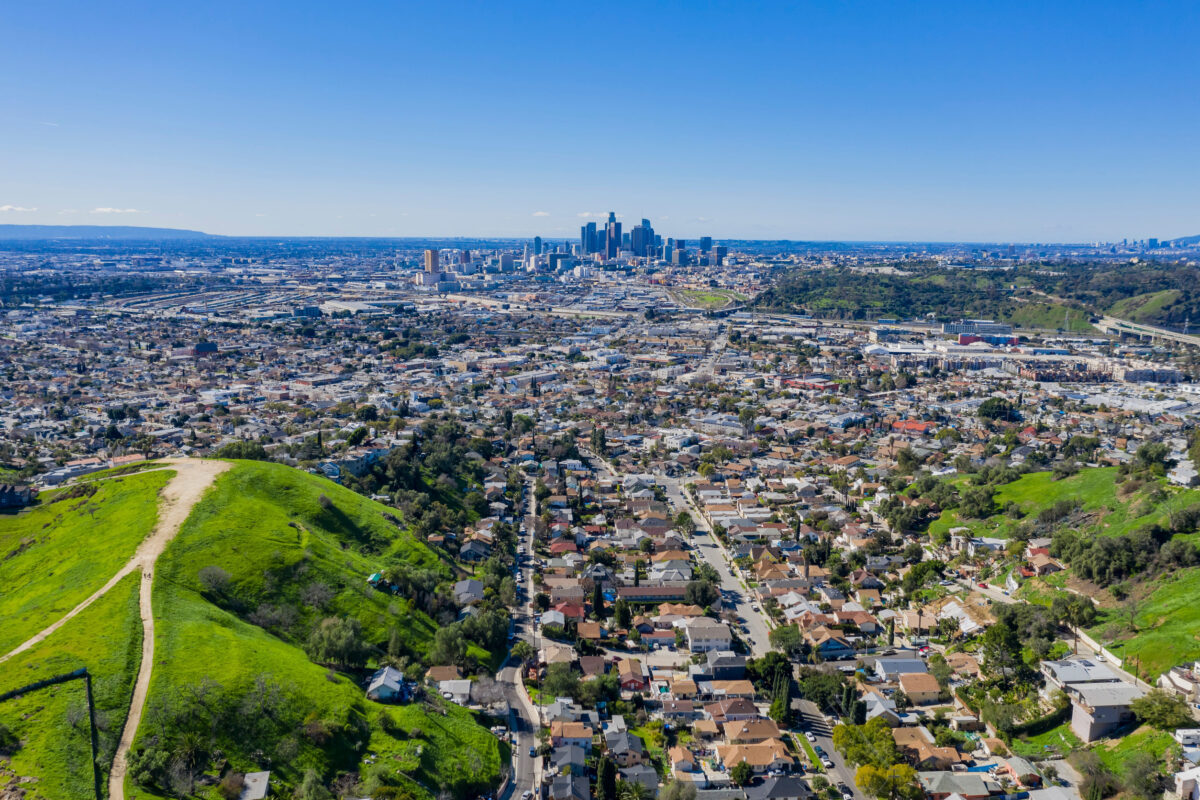
A person can purchase land, but that does not automatically give them the authority to establish a new municipality.
California has a formal incorporation process involving local government agencies, financial reviews, public proceedings, and other legal requirements.
Ohio also has specific rules for establishing villages and cities. These include requirements relating to population, land area, public services, and financing.
Another important consideration is housing discrimination laws.
Although a community can celebrate Black culture and create programs that support Black families, federal and state fair-housing laws generally prohibit refusing people housing because of their race.
In other words, creating a culturally Black-centered community is not the same as legally restricting who can purchase or rent a home based on skin color.
Afroman also mentioned in his July 4, 2026, VladTV interview that he was not necessarily interested in completely separating himself from the wider American community. He acknowledged that residents would still need access to hospitals, dentists, doctors, and stores.
That makes practical planning even more important.
Water, roads, electricity, wastewater systems, emergency services, and reliable transportation would all need attention before a large residential community could function.
A Bigger Conversation About Where Families Feel They Belong
Afroman’s proposal touches on a question that goes beyond housing: what does it take for families to feel comfortable and respected in their own neighborhoods?
The latest U.S. Census Bureau figures available in the research, released October 28, 2026, show a homeownership rate of 44.4% for Black householders, compared with 75.1% for non-Hispanic White householders.
That is a difference of 30.7 percentage points. The figures do not explain every reason behind the gap, but they illustrate the continuing differences in homeownership across racial groups.
Afroman’s proposal also highlights the importance of community, cultural identity, and the experiences parents want their children to have.
Whether his vision becomes a real residential development remains to be seen. For now, the interviews establish an ambition, not two approved cities or a confirmed construction schedule.
Still, his idea raises an interesting question for American families: Is the ideal neighborhood simply somewhere you can afford to live, or somewhere your children can grow up feeling that they truly belong?