America’s Rent Relief Is Not Reaching Everyone as These Cities Get Hit With Painful 2026 Increases
Renters were supposed to get a little breathing room in 2026. After years of brutal price jumps, bidding wars, shrinking options, and landlords testing how far households could stretch, the national rental market finally appeared to cool. New apartments opened. More landlords offered concessions. Some cities even saw rents fall.
But that softer national picture hides a harder local truth. In several major cities, rent is still climbing fast enough to make families rethink everything from groceries to commute times. The pressure is not landing evenly across America. Some renters are getting discounts, while others are being dragged into another year of higher monthly payments.
A new SmartAsset study of 100 large U.S. cities shows just how uneven the rental market has become. The typical rent across those cities rose from $1,810 in 2025 to $1,843 in 2026, a modest increase on paper. Yet in certain places, the jump was far more severe, creating a fresh affordability squeeze for tenants who already felt trapped by high housing costs.
San Francisco Sends a Warning
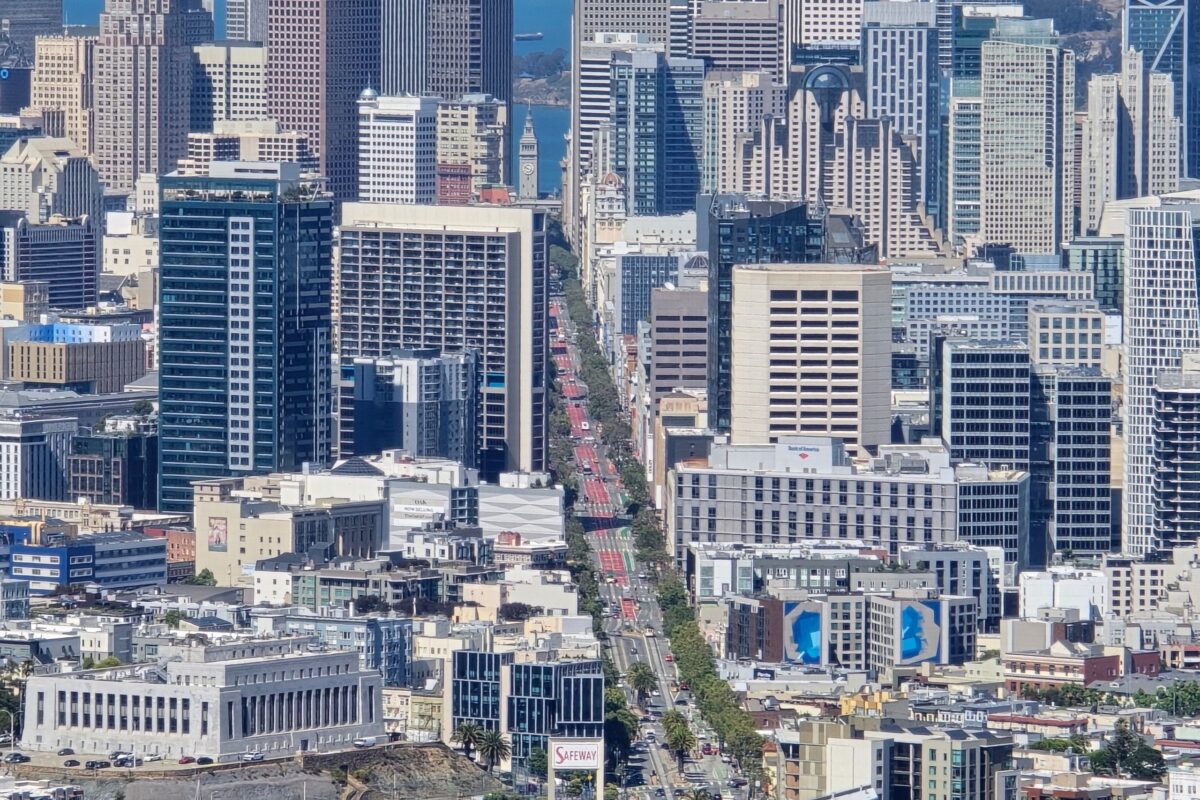
San Francisco recorded the sharpest rent increase in the study, and the size of the jump is difficult to ignore. The city’s typical rent rose from $3,362 in 2025 to $3,830 in 2026. That is a 13.94 percent increase in just one year.
That number matters because San Francisco was already one of the most expensive rental markets in the country. A rent increase there does not simply mean a few extra dollars added to a monthly bill. It can mean hundreds more every month for people who were already paying luxury-level prices just to stay near work, transit, schools, or family.
The bigger concern is what this says about supposedly cooling markets. If a city as expensive as San Francisco can still post a double-digit rent surge, then the national slowdown does not protect everyone. Rent relief is real in some places, but in the Bay Area, it can feel more like a rumor than a reality.
New York Keeps Getting Harder to Afford
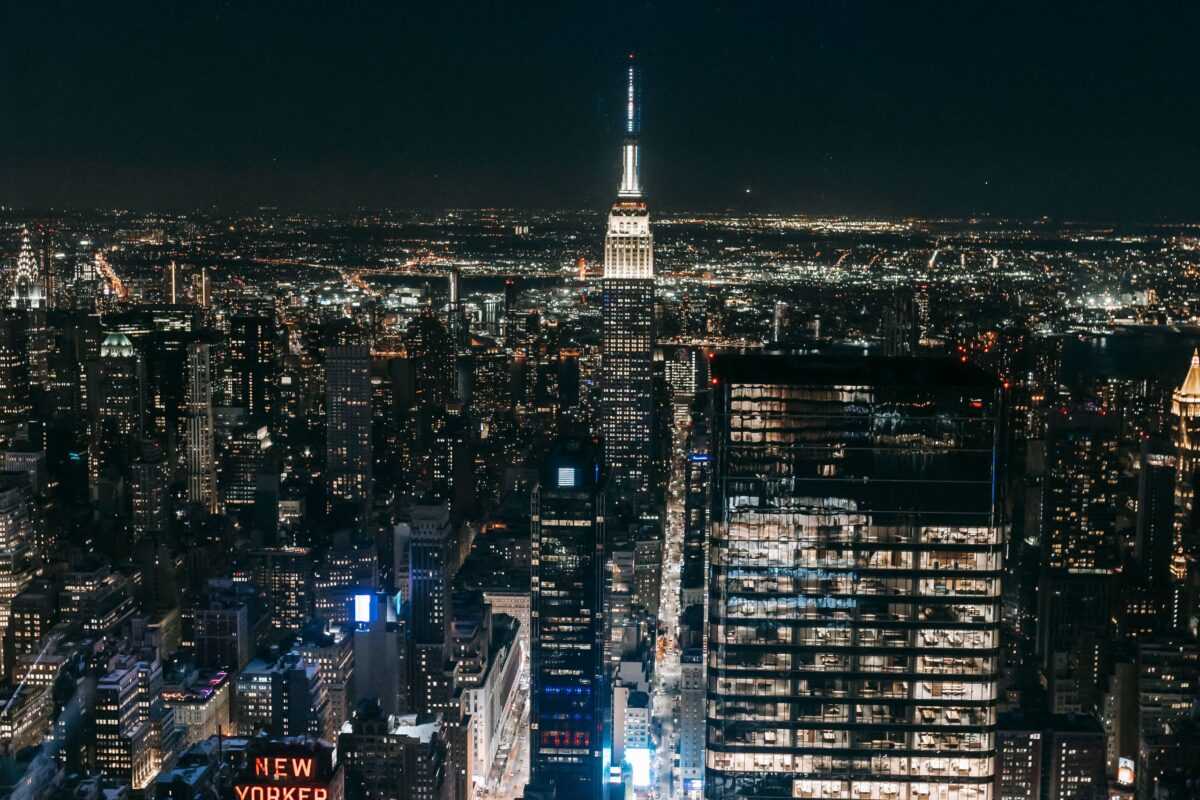
New York City also landed near the top of the list, with typical rent rising 5.36 percent from 2025 to 2026. The city’s typical rent reached $3,706, up from $3,517 the year before. Over five years, the increase is even more striking, with typical rent rising from $2,474 in 2021.
That five-year climb shows why many renters feel exhausted even when annual increases slow down. A single year of moderate growth does not erase years of compounding pressure. For many New Yorkers, the real story is not just this year’s increase. It is the way rent has kept moving higher while wages, savings, and patience have struggled to keep up.
New York’s rental market carries national weight because it reflects a broader urban problem. The city still pulls workers, students, artists, immigrants, and professionals, but the cost of entry keeps rising. For households with low incomes, staying in the city can require more roommates, smaller apartments, longer commutes, or painful trade-offs.
Chicago’s Jump Shows the Midwest Is Not Immune
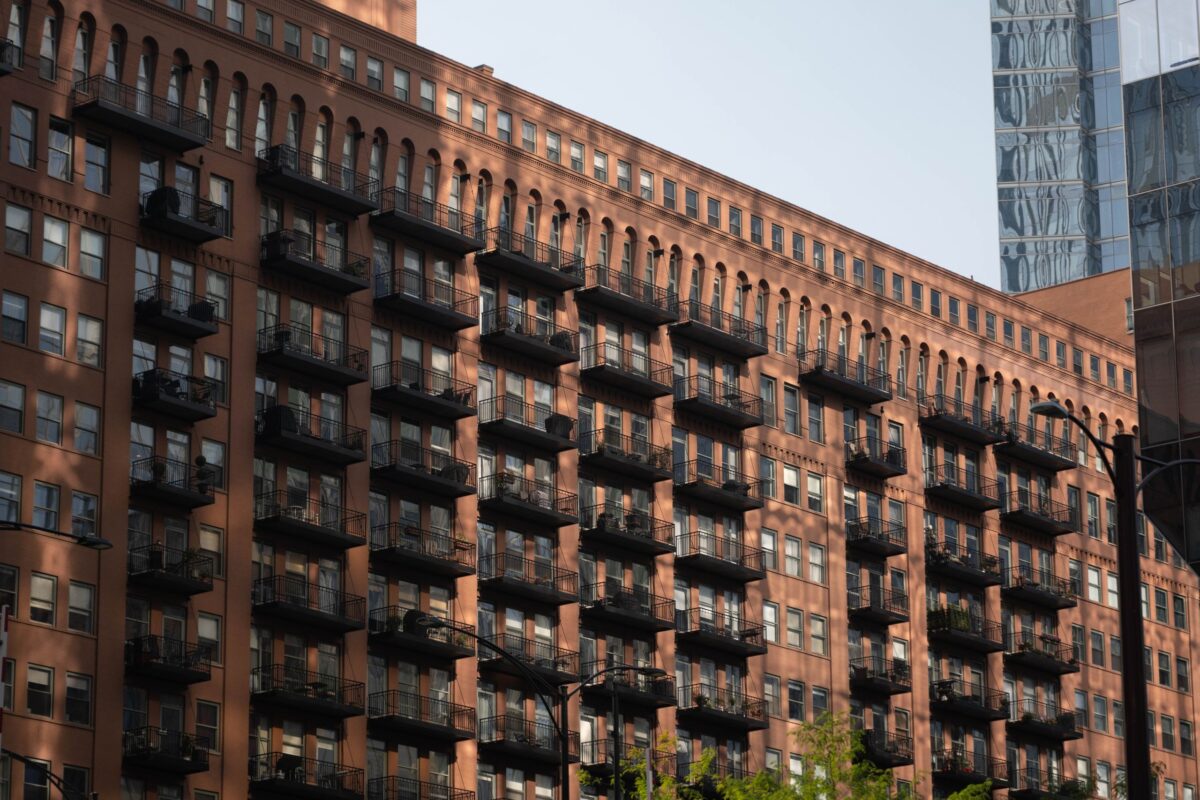
Chicago’s rent increase may surprise people who assume the Midwest is protected from the pain of coastal housing. According to the study, Chicago’s typical rent rose 6.49 percent from 2025 to 2026, moving from $2,153 to $2,292. Over five years, the increase reached 39.03 percent.
That matters because Chicago has long been seen as a big city alternative for people priced out of places like New York, Los Angeles, or San Francisco. It offers strong job centers, culture, public transit, and major city amenities without the same reputation for extreme rent. But the latest numbers suggest that affordability is becoming harder to preserve.
For local renters, the problem is not only the monthly rent. Higher housing costs can reshape where people live, how far they commute, and whether they can save for emergencies. A city can still be cheaper than coastal metros and still feel painfully expensive to the people living there.
Reno’s Increase Raises a Different Concern
Reno, Nevada, also posted a 6.49 percent rent increase, with typical rent rising from $1,718 in 2025 to $1,830 in 2026. That puts Reno near the top of the national list, tied with Chicago for the largest percentage increase.
Reno’s story is different because it reflects the pressure hitting smaller and mid-sized cities that attracted new residents during and after the pandemic years. When people leave expensive coastal areas, they often bring higher salaries, remote work flexibility, or home equity from previous markets. That can push local rents higher in cities that were once more affordable.
The result can be especially painful for long-term residents. A city may look affordable to newcomers while feeling increasingly out of reach to locals. That tension is one of the most important housing stories in America right now, and Reno’s rent growth shows why.
Virginia Beach and Lexington Feel the Squeeze
Virginia Beach saw rent rise 5.36 percent, with typical rent climbing from $1,853 to $1,953. Lexington, Kentucky, saw a 5.10 percent increase, with typical rent moving from $1,415 to $1,487. These are not the most expensive markets in the study, but the increases still matter.
In cities like these, rent hikes hit differently because many households chose them for relative affordability. A $70 or $100 monthly increase may sound small compared with San Francisco or New York, but for working families, students, retirees, and service workers, it can still hurt. It can be the difference between catching up and falling behind.
This is where national averages can mislead. A modest rent increase in a lower-cost city can still create real stress if local wages do not rise at the same pace. Rent pressure is not only about the price tag. It is about whether the people who make a city run can still afford to live there.
Ohio Cities Are Getting More Expensive Too
Toledo and Cleveland both appeared among the cities with the biggest rent increases. Toledo’s typical rent rose 4.77 percent to $1,060, while Cleveland’s rose 4.76 percent to $1,344. Over five years, both cities saw rent increases of more than 40 percent.
These numbers are important because Ohio cities are often discussed as affordable alternatives to higher-cost metros. But affordability can erode quietly. A city can remain cheaper than the national average while still becoming much harder for local renters to manage.
For renters in places like Toledo and Cleveland, the concern is not that rents match New York or San Francisco. The concern is that wages and household budgets may not be rising fast enough to keep pace with repeated increases. When rent climbs year after year, even affordable markets can start to feel unstable.
Some Cities Are Finally Seeing Rent Drop
The study also found that rent decreased in 21 cities, giving some renters a rare bit of relief. Austin recorded the largest drop, with typical rent falling 2.87 percent from $1,577 to $1,531. Washington, DC; San Antonio; Phoenix; Aurora; Denver; Houston; and Raleigh also saw rent declines.
This matters because it shows that rent pressure is not moving in one direction everywhere. In some markets, new supply, slower demand, or shifting migration patterns are giving renters more leverage. More vacant units can force landlords to compete, and competition can mean lower rents, waived fees, or better move-in offers.
Still, a one-year rent decline does not erase the full affordability problem. Austin’s rent may have dropped from 2025 to 2026, but it remained higher than it was in 2021. For many renters, the market is not truly cheap again. It is simply less punishing than it was at the peak.
Florida Shows the Mixed Reality
Florida offers one of the clearest examples of how complicated the rental market has become. Saint Petersburg and Tampa both saw rent decreases from 2025 to 2026. But both cities still had large five-year rent increases, with Saint Petersburg up more than 40 percent and Tampa up more than 36 percent since 2021.
That means renters may hear that prices are falling and still feel no real relief. A small dip after years of steep increases can look good in a chart while barely changing life on the ground. Many households are still paying far more than they did before the pandemic era reshaped housing demand.
This is the uncomfortable truth about rent moderation. A cooling market does not automatically make a city affordable again. It may only slow the damage.
Why Renters Still Feel Trapped
One reason renters feel trapped is that the housing market has become expensive on both sides. Buying a home remains difficult for many households because of high prices, mortgage rates, insurance costs, property taxes, and limited inventory in desirable areas. That keeps more people renting for longer.
When more households stay in the rental market, competition can remain strong in places with limited supply. Even when new apartments are built, they may not match what local renters can actually afford. Luxury units can increase overall supply, but they do not always solve the pressure facing middle-income and lower-income renters.
That is why the rental story in 2026 is not simply good or bad. It is split. Some renters have more options. Others are watching renewal notices rise again. The city you live in may decide whether 2026 feels like relief or another warning sign.
The Real Cost Is Bigger Than Rent
Higher rent does more than raise one monthly bill. It changes the entire household budget. Families may cut back on savings, delay medical care, reduce grocery spending, skip vacations, or take on extra work just to stay current.
It can also reshape communities. When rent rises too fast, longtime residents may leave neighborhoods they helped build. Workers may move farther from job centers. Small businesses may struggle to hire because employees cannot afford housing near the workplace. Schools, churches, restaurants, and local organizations can all feel the effects when residents are priced out.
This is why rent increases deserve more attention than a simple percentage ranking. Behind every number is a household making hard decisions. A few hundred dollars more each month can push people from stability into anxiety.
What Happens Next
The 2026 rental market appears to be entering a more uneven phase. Some cities are cooling. Some are flat. Others are still heating up in ways that could surprise renters who expected broad relief. The national average may look calm, but the local picture is much more dramatic.
For renters, the lesson is clear. Renewal season matters. Comparing nearby cities matters. Watching concessions, vacancy rates, and local construction trends matters. In markets where rents are falling, tenants may have more room to negotiate. In cities with sharp increases, planning early may be the only way to avoid a financial shock.
For local leaders, the message is even bigger. America does not have one rental crisis. It has many local housing pressures unfolding at once. San Francisco is not Austin. Chicago is not Tampa. Cleveland is not New York. Each city has its own mix of wages, supply, demand, jobs, and household stress.
The painful part is that renters cannot live inside a national average. They live inside a lease. And in 2026, that lease is still getting more expensive in too many American cities.