Bayer’s Roundup Victory Changes America’s Pesticide Battle as Glyphosate, Dicamba and Atrazine Face New Scrutiny
The future of pesticide regulation in the United States is entering a new era after a series of major legal and regulatory victories reshaped the fight over some of the nation’s most controversial agricultural chemicals. For pesticide manufacturers, recent decisions have brought financial relief and greater certainty. Environmental groups and public health advocates have raised concerns about whether existing protections are strong enough.
At the center of the debate are three widely used pesticides: glyphosate, dicamba, and atrazine. These chemicals have supported large-scale farming for decades, helping growers control weeds and protect crop yields. However, they have also faced years of criticism over potential health effects, environmental impacts, and questions about how regulators evaluate long-term risks.
The latest developments highlight a deeper conflict within American agriculture. Farmers need reliable tools to maintain productivity, companies want predictable regulations that support innovation, and communities want confidence that the chemicals used around them are safe. The question now is whether the current approach to pesticide regulation can satisfy all sides of a debate that has continued for generations.
Bayer’s Roundup Battle Ends With a Legal Win, But the Public Debate Continues

The biggest moment in the recent pesticide battle came when Bayer secured a major victory in the U.S. Supreme Court over its Roundup weedkiller. The decision changed the legal landscape surrounding glyphosate, the active ingredient in Roundup, after thousands of lawsuits accused the company of failing to warn users about alleged cancer risks.
The Supreme Court ruled in a 7-2 decision that plaintiffs could not rely on state laws to claim Bayer should have added a cancer warning when federal regulators had not required such a label. The decision represented a significant shift for Bayer, which had faced years of litigation after acquiring Monsanto, the original developer of Roundup, in 2018.
The ruling immediately affected investor confidence. Bayer shares experienced one of their strongest gains in more than two decades as markets reacted to the possibility of reduced legal pressure. For the company, the decision provided relief after years of uncertainty surrounding one of the world’s most recognizable agricultural products.
The Roundup controversy has existed for years because scientific and regulatory opinions have not always aligned. Some organizations have raised concerns about possible links between glyphosate exposure and cancer, while Bayer has consistently argued that the product is safe when used according to approved instructions.
The debate reflects a larger challenge within pesticide regulation. Scientific studies often develop over long periods, while courts and regulators must make decisions based on available evidence at specific points in time. That difference can create tension between companies seeking stability and communities demanding additional caution.
Although Bayer’s legal victory reduces some immediate pressure, it does not end the conversation surrounding glyphosate. The chemical remains one of the most closely watched substances in global agriculture, with future regulatory reviews likely to continue shaping its reputation.
Farmers Gain More Options as Dicamba Keeps Fueling a Bigger Agricultural Conflict
The pesticide debate extends beyond glyphosate. Dicamba has become another major focus due to its role in modern farming and the controversy over chemical drift. Farmers use dicamba to control difficult weeds in soybean and cotton fields, especially in crops genetically designed to tolerate the herbicide.
For many growers, dicamba represents an important agricultural tool. Weed resistance has become a growing challenge across farming regions, increasing the need for effective weed-control methods. Losing access to certain herbicides can create financial pressure for farmers who already face unpredictable weather, rising costs, and changing market conditions.
However, dicamba has also generated strong opposition due to concerns that the chemical can drift beyond targeted fields. Some farmers have reported damage to neighboring crops, creating conflicts between closely located agricultural operations.
The controversy reached a major legal point in 2024 when a federal court ruled that the EPA had not properly followed public participation requirements when approving several dicamba products. The decision forced changes that affected farmers preparing for the following growing season.
The EPA later approved dicamba products for additional growing seasons with stricter conditions. The new rules included lower application limits and restrictions designed to reduce the likelihood of movement during extreme weather conditions.
Regulators have argued that the updated approach creates a balance between agricultural needs and environmental protection. Critics, however, continue to question whether restrictions can be effectively enforced across millions of acres of farmland.
The dicamba debate reveals a difficult reality within pesticide regulation. A chemical that helps one farmer protect a crop can raise concerns for another nearby farmer. As agriculture becomes more technologically advanced, managing those competing interests becomes increasingly complex.
Atrazine Shows Why America’s Pesticide Debate Remains Divided Over Science

Atrazine represents another major chapter in the ongoing discussion about pesticide safety. The herbicide has been used for decades, particularly in corn and sugarcane production, and remains one of the most common agricultural chemicals in the United States.
Supporters of atrazine argue that it plays an important role in maintaining crop productivity. They say removing effective weed-control products could increase costs for farmers and create additional challenges for food production.
Environmental groups and public health advocates have continued to raise concerns about atrazine’s possible effects. Research has examined potential connections between atrazine exposure and health issues, including certain cancers and reproductive concerns.
The regulatory review of atrazine has become a major point of disagreement. A recent assessment from the U.S. Fish and Wildlife Service concluded that atrazine does not pose an extinction risk to the threatened and endangered species examined.
That conclusion differed from an earlier evaluation that identified possible risks to a larger number of protected species. The change has fueled debate over how agencies interpret scientific evidence and determine acceptable levels of environmental risk.
Environmental organizations argue that regulators should take a more precautionary approach. They believe chemical approvals should consider potential long-term consequences, especially when pesticides can affect ecosystems beyond agricultural fields.
Companies that produce atrazine maintain that the herbicide remains safe when applied in accordance with federal requirements. They argue that scientific reviews support continued use and that modern farming depends on access to effective crop protection tools.
The disagreement surrounding atrazine demonstrates why pesticide regulation remains so challenging. The debate is rarely about a single study or decision. Instead, it involves competing views on risk, evidence, and regulators’ responsibility.
A Political Divide Emerges Over Who Should Control America’s Chemical Future
The latest pesticide decisions have also created political tension. The debate has become particularly complicated because concerns about chemical exposure now cross traditional political boundaries.
Some supporters of stronger health protections expected a different approach from the Trump administration, especially because figures connected to the “Make America Healthy Again” movement have previously raised concerns about environmental health issues.
Environmental advocates argue that recent pesticide decisions represent a shift toward supporting agricultural companies and large-scale farming interests. They believe regulators should place greater emphasis on reducing chemical exposure.
The administration and the EPA have defended their approach. Officials argue that pesticide decisions are based on science and that modern regulations can provide farmers with effective tools while maintaining environmental safeguards.
The disagreement reflects a broader national conversation about agriculture and regulation. Americans rely on farmers to produce affordable food, but many also want stronger assurances about the safety of farming practices.
Historically, pesticide debates have followed similar patterns. From earlier controversies over chemicals such as DDT to today’s debates over glyphosate and atrazine, society has repeatedly struggled to balance agricultural benefits against potential risks.
The difference today is the speed at which information spreads. Scientific studies, court decisions, and regulatory changes quickly become national discussions, increasing pressure on companies and government agencies to explain their decisions clearly.
The Future of Pesticide Regulation Will Depend on Trust, Science, and Accountability
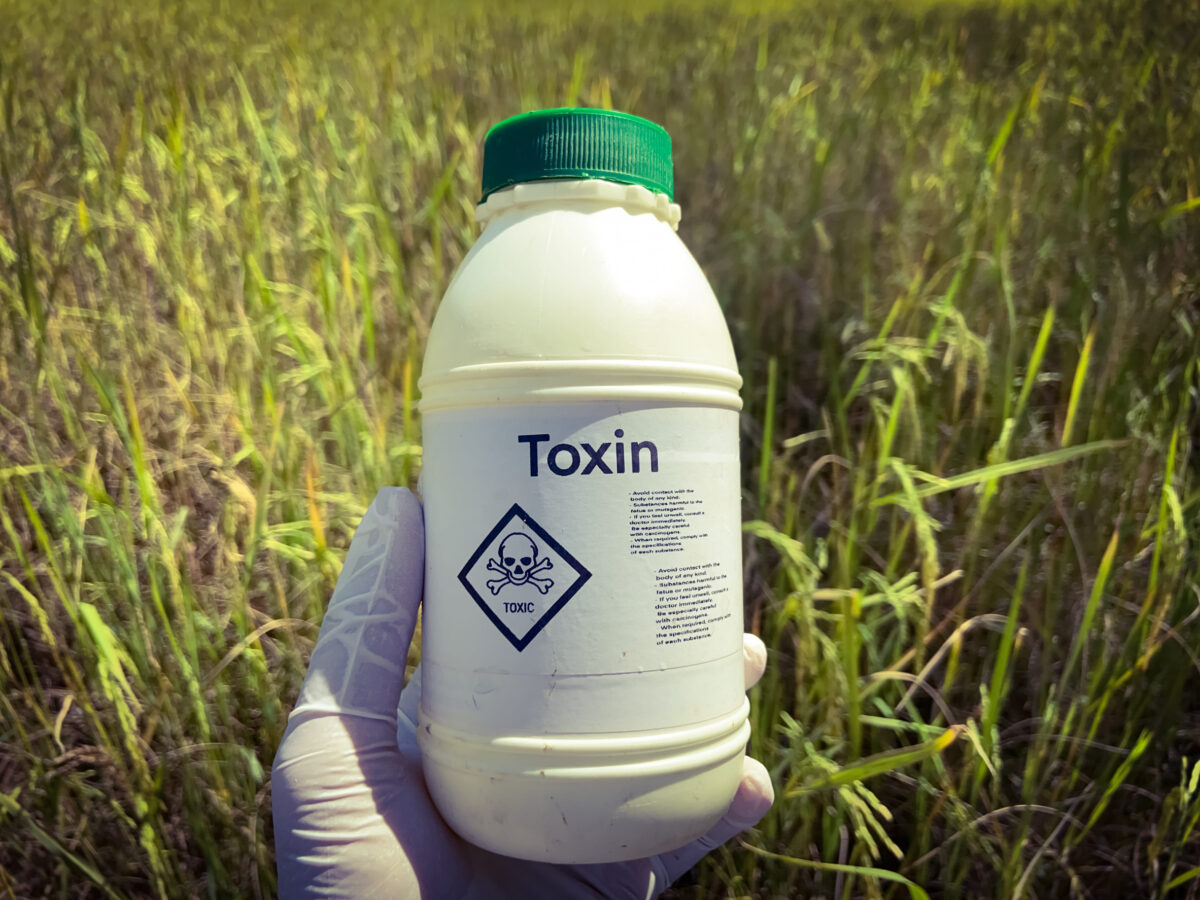
The recent victories for pesticide companies do not represent the end of the debate. Instead, they mark another stage in a much larger discussion about the role of chemicals in American agriculture.
For companies like Bayer and Syngenta, regulatory stability is essential for continued investment and innovation. Agricultural businesses argue that farmers need reliable tools to protect crops and maintain food production.
For environmental groups and public health advocates, the focus remains on long-term safety. They argue that pesticide regulation must continue evolving as new scientific information becomes available.
The future of pesticide regulation will likely involve more legal challenges, additional scientific reviews, and continued political disagreements. The debate over glyphosate, dicamba, and atrazine shows that agricultural decisions often affect far more than farms themselves.
Every pesticide decision carries consequences. It influences farmers deciding how to protect their fields, communities concerned about environmental exposure, and consumers thinking about the food they bring home.
America’s pesticide debate is ultimately a debate about trust. Can regulators protect public health while supporting modern agriculture? Can companies demonstrate responsibility while defending their products? And can society find a path that recognizes both the importance of farming and the need to protect the environment for future generations?