Burger King vs. Wendy’s: What’s Really Different About Their Beef?
Order a Whopper at Burger King and a Dave’s Single at Wendy’s, and you’re getting two burgers built around the same basic promise: 100% beef. Yet the patties look different, the restaurants prepare them differently, and each chain highlights a different part of its burger-making process.
Burger King makes flame-grilling a major part of its identity. Wendy’s puts more attention on its fresh, never-frozen beef. Those differences raise an interesting question about what actually goes into the burgers Americans order every day.
The answer involves more than advertising. The two chains have distinct approaches to beef storage, cooking, patty size, and presentation. Comparing the Whopper and Dave’s Single helps explain what separates them without assuming either restaurant serves better meat.
Both Advertise All-Beef Patties Without Fillers
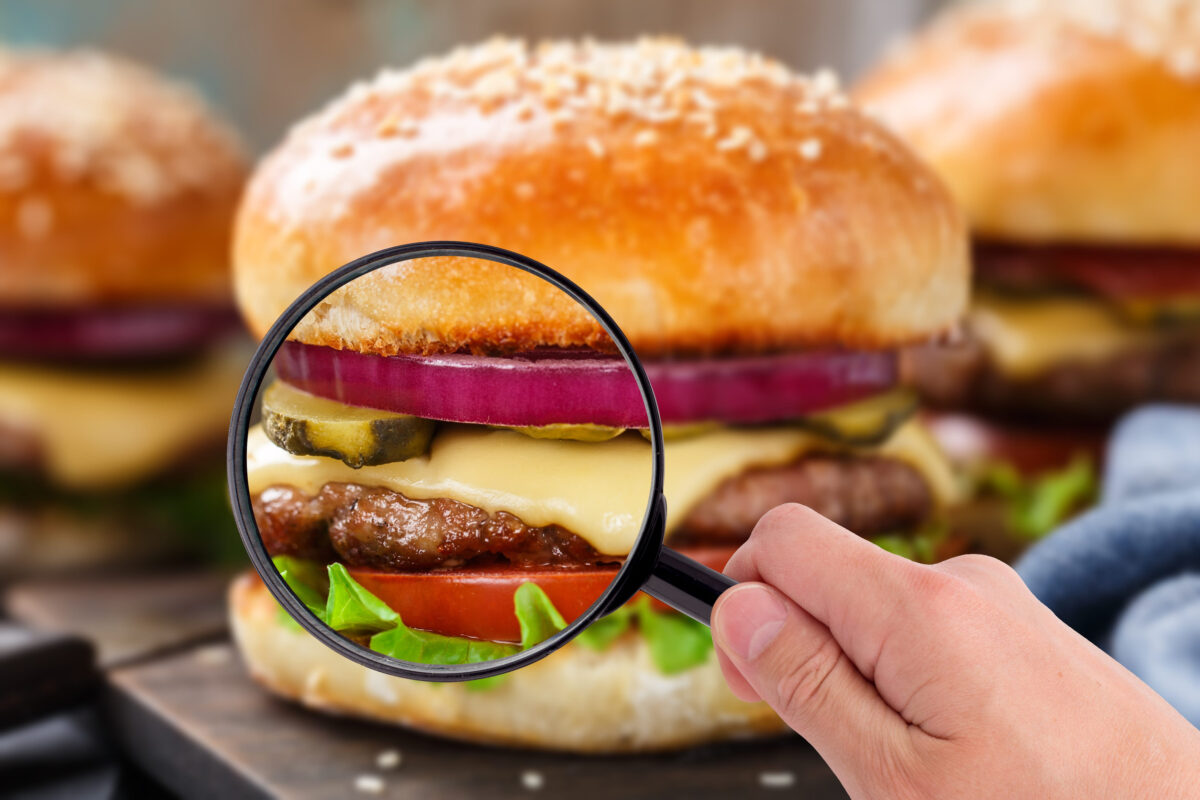
One of the biggest similarities between Burger King and Wendy’s is something customers might expect to be a major difference: the beef itself.
According to Burger King’s official food-quality information, the Whopper contains a 100% beef patty without fillers, preservatives, or additives. Wendy’s makes a similar statement about its signature hamburgers. The company says its patties contain 100% real beef without fillers or additives.
That means neither restaurant can claim to be the only one of the two offering an all-beef patty without added fillers.
It also helps clear up a common misunderstanding about fast-food burgers. Different preparation methods and appearances don’t necessarily mean the restaurants use fundamentally different main ingredients. The distinction becomes more interesting once you look beyond the basic beef composition.
Wendy’s Explicitly Documents Fresh, Never-Frozen Beef
This is where the two companies’ documented approaches begin to separate. Wendy’s has made fresh beef one of its most recognizable selling points. According to the company’s Fresh Beef FAQ, its signature hamburger patties are made with beef transported in refrigerated trucks and prepared fresh on restaurant grills.
The company says its fresh, never-frozen beef is available throughout the contiguous United States and Alaska, as well as Canada and certain other markets. For American customers in those locations, that is a clearly stated company policy rather than simply an assumption based on advertising.
Burger King has a different documented history. In a January 2018 Associated Press report published by Fox Business, Burger King acknowledged using frozen beef patties.
That disclosure provides an important historical comparison, but the date matters. A statement made in 2018 should not automatically be treated as confirmation of the company’s entire beef supply process in 2026.
What can be established is that Wendy’s makes an explicit fresh, never-frozen claim for its signature burgers, whereas the cited Burger King disclosure concerns its use of frozen patties in 2018.
The difference is meaningful for customers who pay attention to how restaurants describe and handle their beef before it reaches the grill. Still, a fresh-beef policy alone does not establish that one finished hamburger is automatically better than another.
Burger King Emphasizes Flame-Grilling
Storage is only part of the story. The cooking approach is another major difference. Burger King has built much of its hamburger identity around flame-grilling. The company’s official food-quality page identifies the Whopper’s beef patty as flame-grilled.
This approach is central to how Burger King presents its signature sandwich. Rather than simply identifying the type of meat, the chain emphasizes the way that meat is cooked. Wendy’s describes its fresh beef patties as prepared on the restaurant grill, placing particular emphasis on the freshness of the beef used in that preparation.
These descriptions reveal two different priorities. Burger King highlights flame-grilling as a defining characteristic of its hamburger. Wendy’s draws attention to the condition of its beef before cooking and its preparation on the grill.
For customers, that creates a useful way to understand each company’s approach without relying on exaggerated claims about flavor. Flame-grilling is a recognizable cooking method, but its use does not prove that a burger will always be juicier, tastier, or more tender. Those conclusions would require a separate comparison.
The documented difference is straightforward: Burger King specifically promotes flame-grilling, whereas Wendy’s emphasizes fresh beef prepared on its restaurant grills.
Their Flagship Patties Have Different Weights and Shapes
Place the Whopper and Dave’s Single side by side, and another difference becomes apparent: the size and shape of the beef patties.
According to Burger King’s published food-quality specifications, the Whopper contains a beef patty weighing 4.4 ounces before cooking. Wendy’s Dave’s Single, meanwhile, features a quarter-pound beef patty, or approximately 4 ounces before cooking.
That gives the Whopper a 0.4-ounce difference in published raw patty weight. However, these numbers describe the beef before it reaches the grill. They do not tell customers how much the cooked patties weigh or which finished sandwich contains more food overall.
The comparison also applies specifically to the Whopper and Dave’s Single, rather than every burger sold by the two restaurants. Shape makes the distinction even easier to recognize.
Burger King’s Whopper features a traditional round patty. Wendy’s uses square hamburger patties, a design closely associated with the company’s identity. According to Wendy’s, the corners of its square patties extend beyond the bun, allowing customers to see the beef. That creates a distinctive appearance even before anyone takes a bite.
Still, square patties don’t automatically contain more meat than round ones. The actual weight matters more than the shape when comparing how much beef each burger starts with.
What These Differences Mean When You Order
So, which restaurant should you choose if the beef itself is your main concern? The answer depends on which characteristics matter most to you.
If an explicitly stated fresh, never-frozen beef policy is important, Wendy’s provides that assurance for its signature hamburgers across the contiguous United States and Alaska. If you’re particularly interested in flame-grilled preparation, Burger King makes that method a defining feature of its Whopper.
Customers comparing patty sizes should also recognize that the Whopper starts with slightly more beef by published pre-cooking weight than Dave’s Single. That difference alone, however, doesn’t settle the question of value or overall satisfaction.
There is also no reason to assume the companies use completely different beef ingredients just because their burgers look different and are prepared differently. Both advertise patties made entirely of beef without fillers.
Ultimately, the biggest documented distinctions concern the companies’ storage disclosures, cooking descriptions, and patty specifications. Neither approach automatically makes one restaurant the winner. But understanding those differences gives customers something more useful than another fast-food argument: a clearer idea of what they’re actually ordering.