Chicago’s Last JCPenney Closes as Ford City Mall Shuts Down
For many Chicago shoppers, the closing of JCPenney at Ford City Mall is not just another retail headline. It is the end of a place that once felt permanent.
The department store closed as the main portion of Ford City Mall shut down under a court order tied to serious safety concerns. The mall, located on South Cicero Avenue on Chicago’s Southwest Side, had already been fading for years. Stores left. Foot traffic dropped. Empty corridors replaced the busy shopping scenes that once defined the property. But the final chapter did not come only because shoppers moved online or because department stores lost influence. It came because the building itself became part of the story.
That makes this closure different. It is not simply about JCPenney losing another location. It is about an old retail landmark reaching the point where officials said the public could no longer safely use much of the property.
Ford City Mall opened in 1965 and became a familiar destination for families across Chicago’s South and Southwest sides. For decades, it was where people bought school clothes, walked the corridors on weekends, met friends, visited the food court, watched stores come and go, and built ordinary memories that become important only after a place disappears.
The court order changed the story

Many store closings happen quietly. A lease ends. A company cuts weak locations. A clearance sign appears in the window. Shoppers complain, employees move on, and another storefront becomes empty. Ford City Mall’s shutdown carried a heavier tone.
The city of Chicago had filed an emergency motion to vacate the property, pointing to health and safety concerns connected to the mall’s fire suppression system and reported leaks. A judge later allowed the bulk of the mall to close. By the time the deadline arrived, the story had moved beyond retail decline and into public safety.
That detail matters because it changes how the JCPenney closing should be understood. This was not only a struggling department store in a weak mall. It was a longtime anchor caught inside a property that officials said could no longer operate safely in its current condition.
For shoppers who grew up with Ford City, the ending feels personal. For city officials, the issue became more urgent than nostalgia. A building can carry memories, but memory cannot outweigh fire systems, leaks, court orders, and concerns about structural safety. That tension gives the closure its emotional weight.
Ford City was once more than a mall
Ford City Mall was never just a place to buy clothes. Like many mid-century malls, it functioned as a social center before online shopping changed American consumer life.
For families on the South Side, the mall offered convenience, routine, and a sense of local identity. It was the kind of place where parents took children before the school year, teenagers passed time after class, and older shoppers returned out of habit because they knew the layout, the entrances, the parking lots, and the stores.
JCPenney fit naturally into that world. It was not the flashiest department store. That was part of its strength. It sold practical clothing, home goods, shoes, bedding, jewelry, and family basics. It served people who wanted dependable merchandise without turning every shopping trip into an expensive event.
That is why the closing lands differently from the loss of a trendy shop. JCPenney represented an older kind of American retail built around middle-class routines. Its presence at Ford City helped hold the mall’s identity together even as other tenants disappeared. When a store like that closes, it not only removes merchandise. It removes a reason for people to return.
The last anchor could not carry the mall alone
By the time the shutdown arrived, JCPenney was one of the few remaining major reasons to visit the indoor mall. The long decline had already taken much of the energy out of the property.
This is a familiar pattern across the country. A mall loses one anchor, then another. Smaller stores struggle because fewer shoppers walk through the building. Food courts shrink. Empty storefronts become more visible. Security and maintenance concerns grow. Eventually, the remaining tenants operate inside a space that feels too large for the activity left inside it.
Ford City followed that pattern, but the safety concerns made its ending sharper.
A department store can survive declining traffic for a while, especially if it still has loyal customers. But it cannot fully control the condition of the larger property around it. If the mall’s infrastructure fails, even a determined tenant has limited options.
That is the hard part of this closure. JCPenney did not simply lose a sales battle. It lost the building around it.
The shutdown reflects a deeper problem facing old malls
Across the United States, many enclosed malls built for an earlier retail age are facing the same question: what happens when the building outlives the shopping model that created it?
These properties were designed for a world of department-store anchors, weekend shopping trips, indoor foot traffic, and suburban-style retail habits. But consumer behavior changed. Online shopping has taken over many basic purchases. Big-box stores became more convenient. Discount chains gained strength. Younger shoppers built different habits. Restaurants, fitness centers, entertainment venues, and mixed-use spaces became more important than traditional mall corridors. Some malls adapted. Others did not.
The weakest properties often entered a cycle that became difficult to reverse. Lower traffic reduced the rent value. Lower rent attracted fewer strong tenants. Fewer strong tenants made the property less attractive to shoppers. Less revenue made repairs harder to justify. Over time, decline stopped being cosmetic and became structural.
Ford City’s shutdown shows what can happen when that cycle reaches its limit.
What remains after the doors close
The full property is not disappearing all at once. Some businesses outside the main indoor portion, including entertainment and fitness-related operators, were expected to remain open. That detail points to where retail real estate is heading.
The future of aging mall properties may not be traditional shopping. It may be redevelopment, mixed-use projects, warehouses, medical offices, housing, restaurants, gyms, or entertainment spaces. In many places, the question is no longer how to bring the old mall back. The question is what the land can become next.
That is likely where the Ford City conversation goes from here.
For the surrounding community, redevelopment could bring jobs, investment, and a safer use of the property. But it could also deepen the feeling that another piece of local history has been erased. Both things can be true at once. A dangerous building may need to be closed, and people may still grieve what it once represented.
JCPenney’s closing is part of a larger retail reset
JCPenney has spent years trying to stabilize after its 2020 bankruptcy and major store reductions. The company still operates hundreds of locations across the United States and Puerto Rico, and it remains a familiar name in American department-store retail. But the chain is now operating in a world where every location has to justify its place.
Mall-based department stores face pressure from every direction. Online retailers offer convenience. Discount chains compete on price. Big-box stores offer one-stop shopping. Specialty brands reach customers directly. At the same time, many older malls no longer deliver the steady traffic that once made department stores powerful.
For JCPenney, the Ford City closure carries extra symbolism because it removes a longtime store from a major American city location. It shows how even legacy retailers with loyal customers can be forced out when the mall beneath them collapses, physically, financially, or both.
Why does this closing feel bigger than one store
The most powerful part of the Ford City story is not the loss of another retail address. It is the way the closing connects safety, nostalgia, local memory, and economic change.
People do not mourn stores only because they need another place to buy shirts or shoes. They mourn them because stores become attached to stages of life. A mall can hold first jobs, family trips, teenage weekends, holiday shopping, and simple routines that give a neighborhood texture.
That is what made Ford City matter. It was ordinary in the way important places often are. People did not always notice how much it meant until it began to disappear.
Now, JCPenney’s departure gives the mall’s closing a final image: a once-dependable department store shutting its doors inside a property that had reached the end of its usable life.
A hard ending for a familiar Chicago landmark
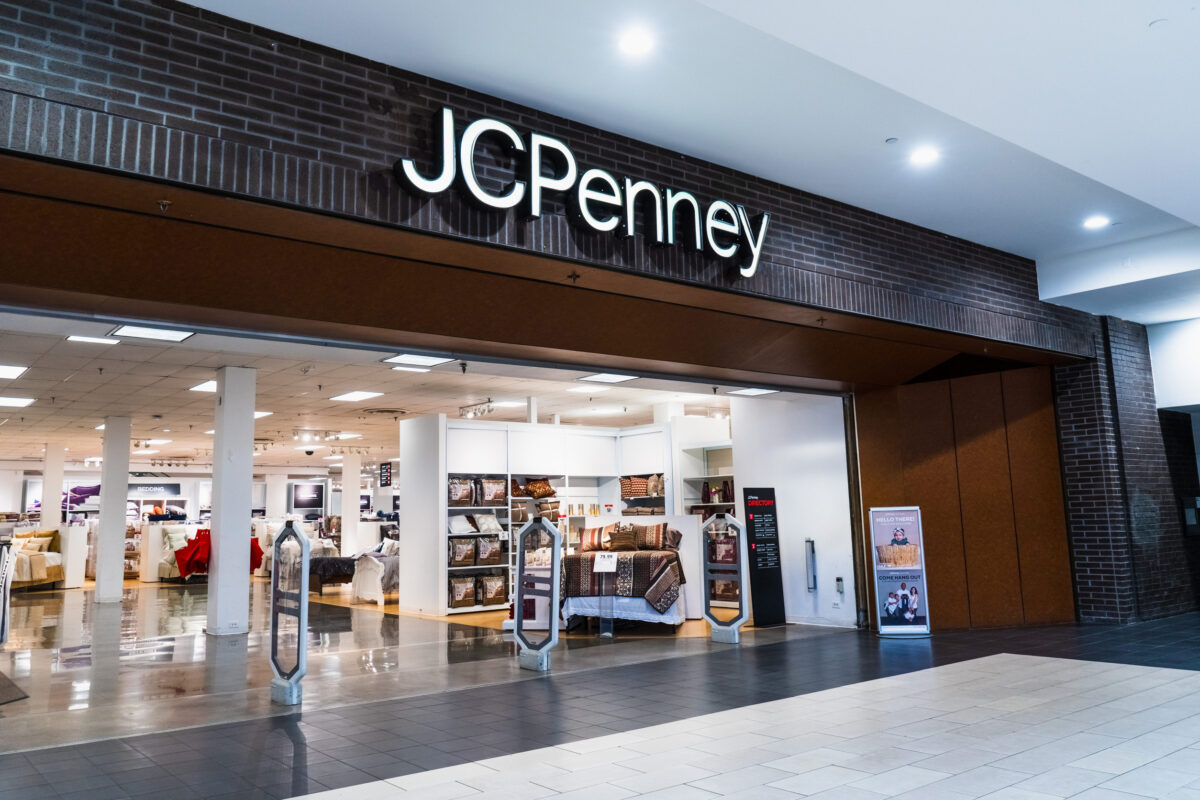
Chicago’s last JCPenney at Ford City Mall did not close in a normal retail moment. It closed at the end of a long decline, under the shadow of a court order, after years of concern about the property’s condition.
That gives the story a different meaning. It is about more than shopping habits. It is about what happens when old commercial spaces are left behind by modern retail and then become too costly, too empty, or too unsafe to preserve.
For shoppers, the loss is emotional. For the city, the shutdown is practical. For retail watchers, it is another sign that America’s aging malls are entering a more difficult phase, where survival depends on more than finding new tenants.
Ford City Mall once represented growth, convenience, and possibility. Its closing now represents the difficult work of deciding what should happen to old spaces when the world that built them has moved on.
And for JCPenney customers who made one last visit, the ending was simple and painful. A store they knew for decades closed its doors, and a piece of Chicago retail history closed with it.