Climate Change and Disasters: 10 Ways a Hotter Planet Is Making Extreme Weather More Dangerous
Climate change is no longer a distant warning. It is reshaping the intensity, frequency, and impact of disasters already unfolding around the world. Floods, wildfires, hurricanes, droughts, and storms are not just happening more often in some regions. They are becoming harder to predict, more destructive, and more expensive to recover from.
Here are 10 clear ways a warming planet is increasing disaster risk in everyday life.
Hotter Temperatures Are Turning Normal Weather Into Extremes
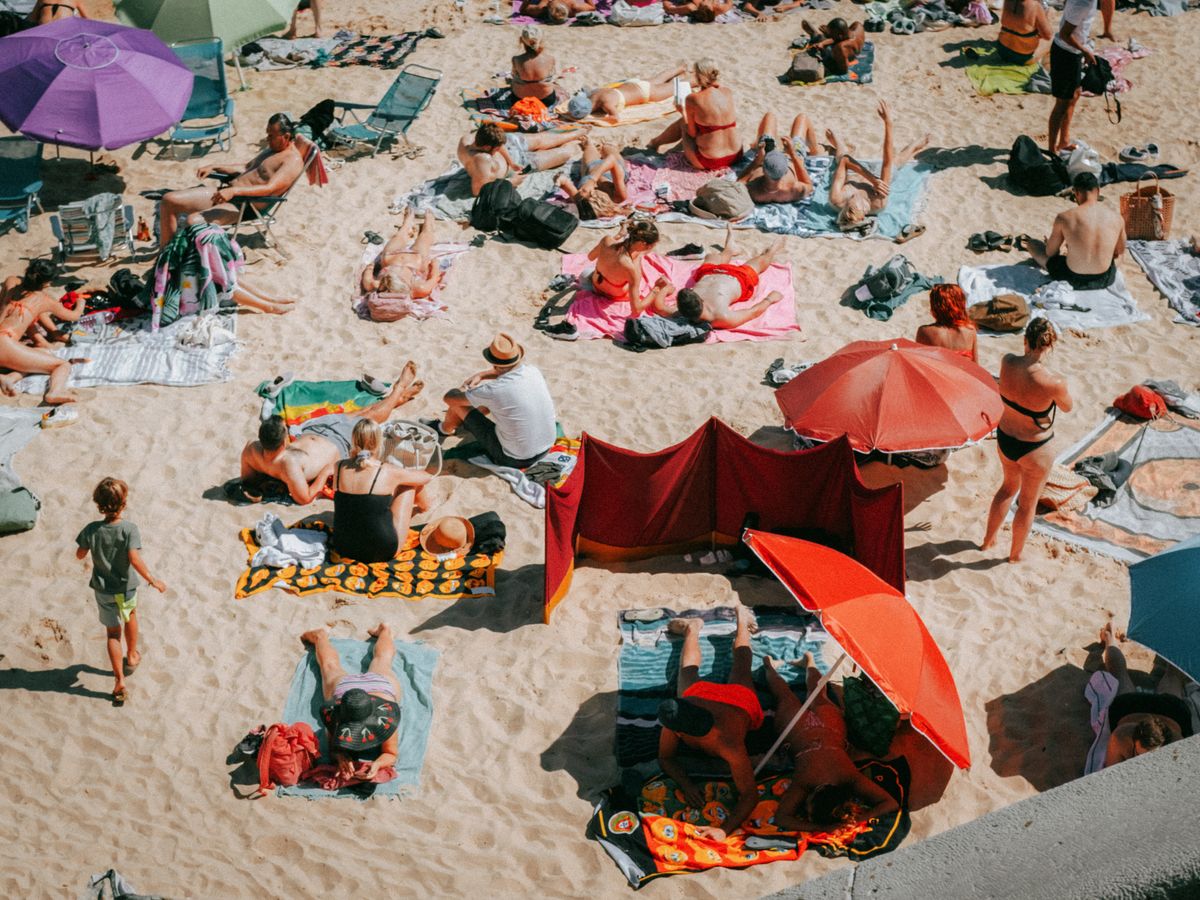
Rising global temperatures underpin today’s escalating disaster risk. Heat does more than make summers uncomfortable. It dries out soil, weakens ecosystems, and increases evaporation from lakes, rivers, and crops.
As the ground loses moisture faster, landscapes become more vulnerable to fire, drought, and sudden flooding when rain finally arrives.
Wildfires Are Spreading Faster and Burning Hotter
Wildfires are no longer limited to traditional fire seasons. Longer dry periods, earlier snowmelt, and higher temperatures are stretching fire risk across more months of the year.
Vegetation becomes fuel when it dries out, and strong winds help fires spread rapidly across forests and even into residential areas. Human activity still ignites most fires, but climate conditions now determine how destructive they become.
Floods Are Becoming More Frequent and More Intense
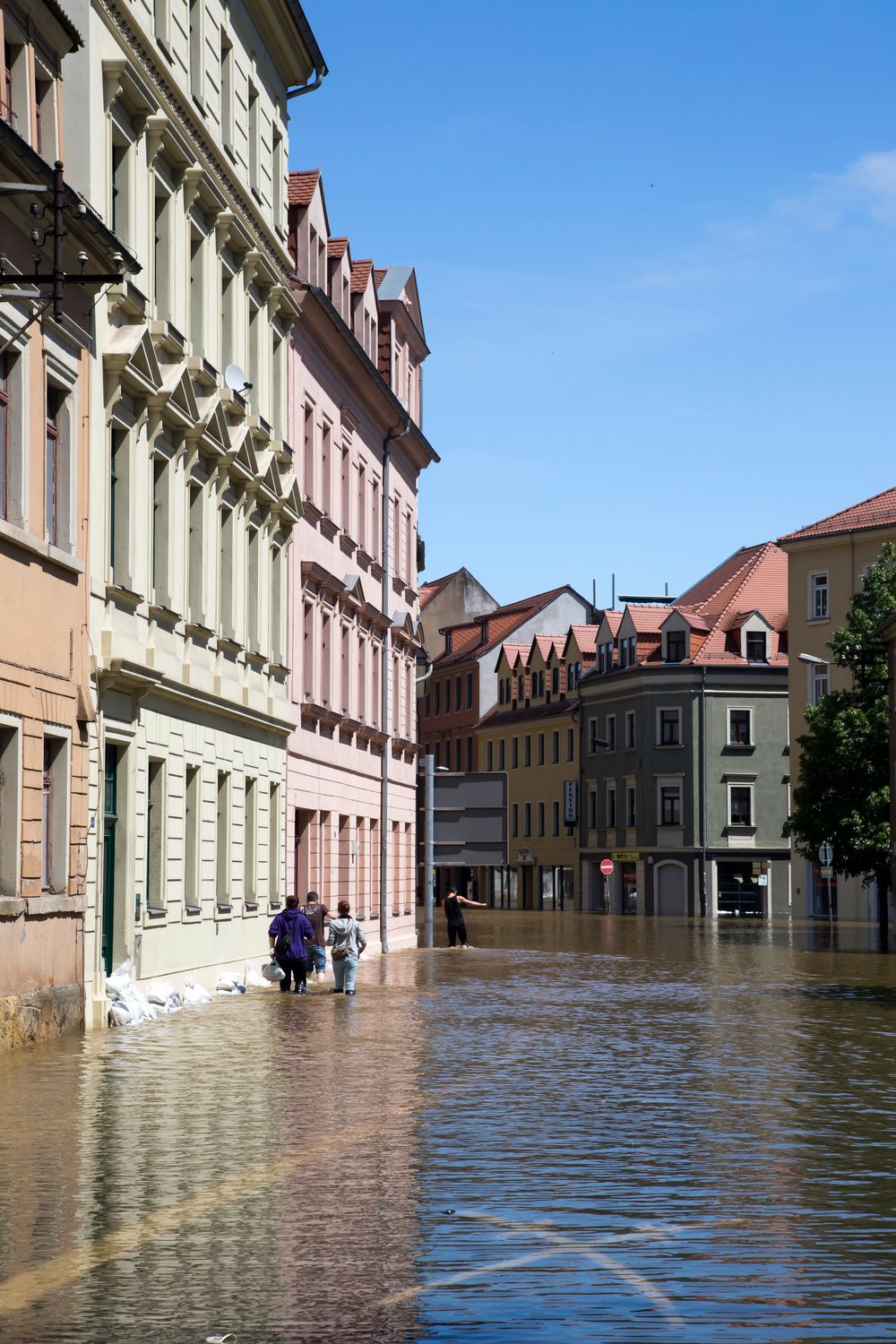
Flooding is now one of the most widespread climate-related disasters. Warmer air holds more moisture, leading to heavier rainfall events in many regions.
At the same time, rising sea levels push stormwater farther inland. Cities with paved surfaces struggle to absorb sudden downpours, turning streets into fast-moving flood zones within minutes.
Hurricanes Are Stronger and More Destructive at Landfall
Hurricanes gain energy from warm ocean water. As sea temperatures rise, storms have more fuel to intensify.
This leads to heavier rainfall, stronger winds, and more dangerous storm surges. Even inland communities are now experiencing severe hurricane impacts, including flooding and wind damage, long after storms have weakened.
Rising Sea Levels Are Expanding Coastal Risk
Sea level rise is quietly increasing the baseline for coastal flooding. Even moderate storms now produce higher water levels than they did in the past.
This means coastal cities face more frequent “nuisance flooding” and a greater risk of severe storm surge during hurricanes and nor’easters.
Droughts Are Lasting Longer and Affecting More Regions

Higher temperatures increase evaporation from soil and reservoirs, making drought conditions more severe even when rainfall does not drop dramatically.
Drought impacts agriculture, water supply, hydropower, and food prices. It also increases wildfire risk by drying out vegetation across large areas.
Storms Are Dropping More Rain in Shorter Bursts
A warming atmosphere can hold more water vapor. When storms form, they can release that moisture in intense bursts of rainfall.
This poses a risk of flash flooding, especially in urban areas where drainage systems are not designed for extreme downpours.
Multiple Disasters Are Happening in Chains
One of the most dangerous effects of climate change is how disasters now trigger one another.
A drought can dry out forests, leading to wildfires. Burned land can no longer absorb water, increasing the risk of flooding and landslides when heavy rain arrives. These cascading events multiply the damage far beyond that of a single disaster.
Infrastructure Is Not Designed for Today’s Climate
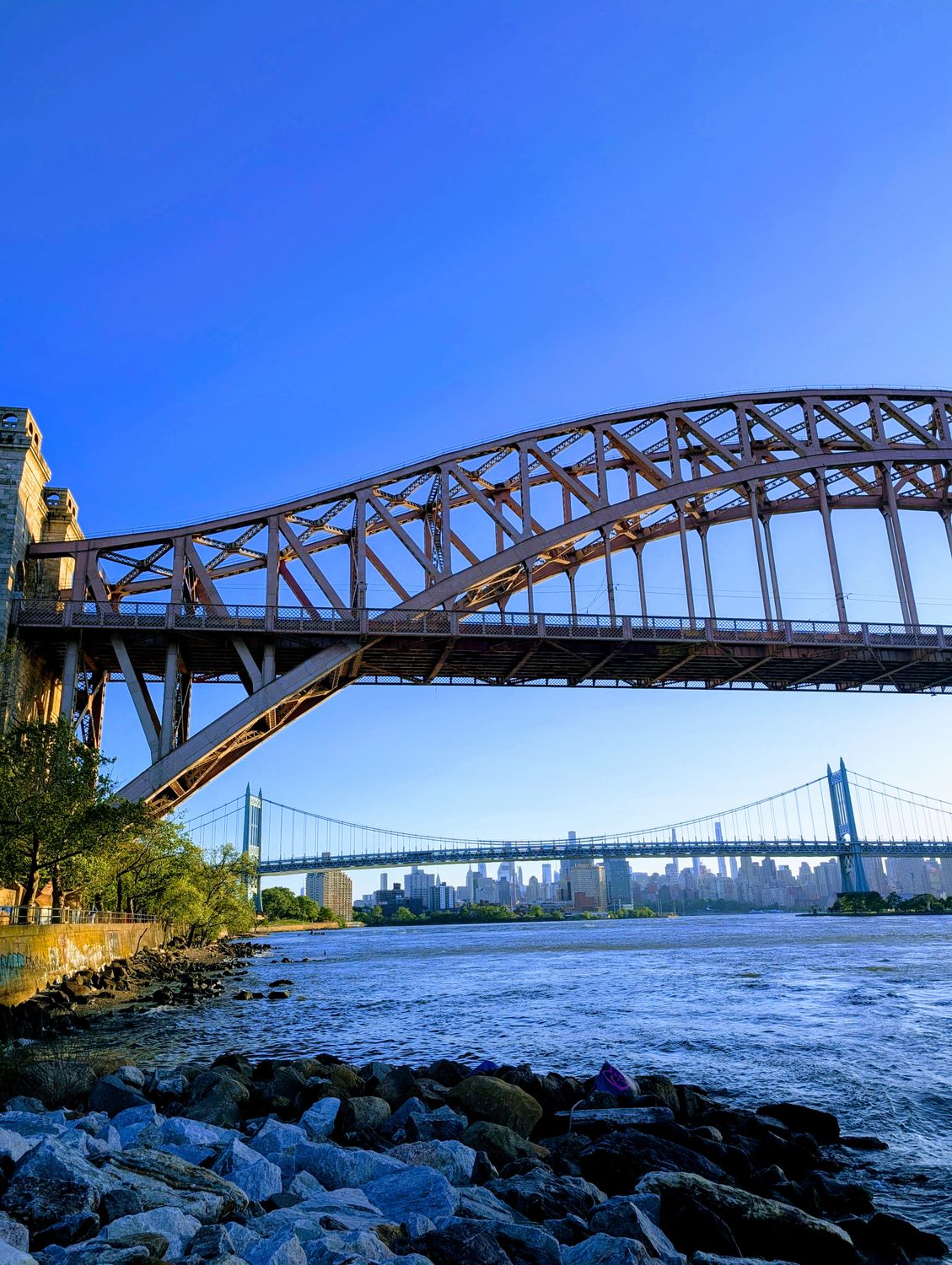
Many bridges, roads, drainage systems, and buildings were designed using historical weather patterns. Those patterns are no longer reliable.
Stronger storms, heavier rainfall, and rising seas are overwhelming systems that were built for a cooler, more stable climate.
The Impacts Are Unequal and Hit Vulnerable Communities Hardest
Climate disasters do not affect everyone equally. Low-income communities, people of color, and marginalized groups often face higher exposure and slower recovery.
Housing quality, location, access to transportation, and insurance coverage all shape how badly a disaster affects a household. Climate change is amplifying existing inequalities.
How Climate Change Turns Risk Into Disaster
Climate change acts as a risk multiplier. It does not replace natural hazards. It intensifies them.
A single change in temperature can influence rainfall, fire behavior, storm strength, and drought severity. When combined, these shifts create complex disaster patterns that are harder to predict and manage.
Climate change is already reshaping the rules of natural disasters. The question is no longer whether the risk is increasing, but how quickly communities can adapt to a new climate reality before the next major event arrives.