Cornbread Stays Moist for Days When You Add This Dairy Ingredient
Few foods spark as many kitchen debates as cornbread. Should it be sweet or savory? Made in a cast-iron skillet or a baking dish? Topped with honey butter or crumbled into a glass of buttermilk? Families across the South and Midwest have strong opinions, and many of them were handed down from grandmothers who made cornbread nearly every day.
But there is one complaint almost every home cook shares. Cornbread has a habit of drying out fast. It can be tender and warm straight from the oven, then crumbly and stale by the next morning. Cornmeal does not hold moisture the way wheat flour does, so the bread can turn dry and sandy within hours.
There is a simple fix that many bakers swear by, and it is probably already in your refrigerator. Adding sour cream to the batter keeps cornbread moist, tender, and flavorful for days. Here is why it works and how to use it.
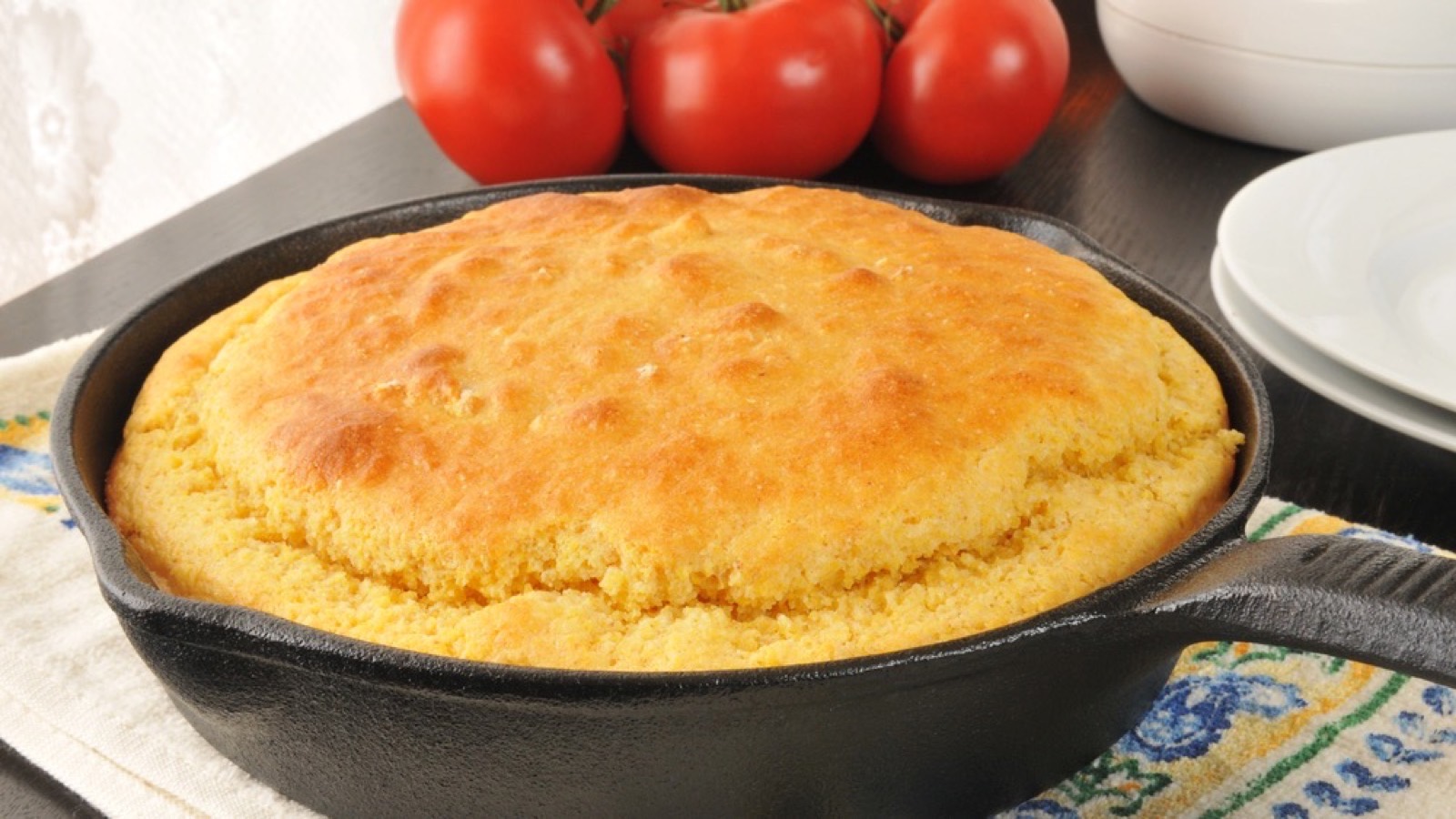
Why Sour Cream Makes Such a Difference
Sour cream does two important things for cornbread. First, it adds fat. Fat coats the particles of cornmeal and flour, which helps keep the bread tender and slows down the drying process. Full-fat sour cream has more fat than milk, so it adds richness without making the batter runny.
Second, sour cream is acidic. Its tangy acidity softens the gluten in the flour, which makes the crumb more tender. The acid also reacts with baking soda to help the bread rise, giving it a lighter texture.
Food writers at The Daily Meal have called sour cream the secret to incredibly moist cornbread. Many test kitchen recipes use it for the same reason.
How Much to Add
Most bakers add between one-half cup and one cup of sour cream to a standard cornbread recipe that makes an 8-inch or 9-inch pan. Start with about half a cup, replacing some of the milk or buttermilk in the recipe. This keeps the batter from becoming too thick.
Using too much sour cream can make cornbread heavy and dense, since sour cream is thicker than milk. The goal is a batter that is thick but still pourable. If it seems too stiff, add a splash of milk.
Full-fat sour cream works best. Low-fat versions contain more water and less fat, so they will not keep the cornbread as moist. Plain Greek yogurt is a good substitute if you do not have sour cream on hand.
It Works With Boxed Mixes Too
Many families rely on boxed cornbread mixes like Jiffy, which has been made in Chelsea, Michigan, since 1930. These mixes are cheap and easy, but they can turn out dry and crumbly. Adding sour cream is one of the simplest ways to improve them.
Just stir about half a cup of sour cream into the batter along with the egg and milk the box calls for. Some cooks also add a little melted butter. The result is a moister, richer cornbread that tastes closer to homemade.
This trick is popular for holiday meals, when cornbread is served alongside turkey, ham, or chili. It is one of many cheap hacks to satisfy your taste buds.
Grandma’s Buttermilk Connection
Long before sour cream became a common cornbread ingredient, many Southern grandmothers used buttermilk. Buttermilk is also acidic, and it gives cornbread a tender crumb and a slight tang. For generations, buttermilk cornbread baked in a hot cast-iron skillet was a daily staple in many Southern homes.
Sour cream works in a similar way, but it adds more fat. That extra fat is what helps the cornbread stay moist longer. Some cooks use both buttermilk and sour cream for the best of both worlds.
Cornbread has deep roots in American history. Native Americans were grinding and cooking corn long before European settlers arrived, and cornbread became a staple across the South. It is one of the classic Southern dishes with deep roots.
Other Tips for Moist Cornbread
Sour cream is a big help, but a few other tricks can make cornbread even better. Don’t overbake it. Cornbread is done when the top is golden and a toothpick inserted in the center comes out with a few moist crumbs. Baking it too long dries it out.
Many bakers also let the batter rest for about 10 minutes before baking. This gives the cornmeal time to absorb some of the liquid, which helps soften it. Some recipes go further and soak the cornmeal in buttermilk for an hour.
A hot cast-iron skillet makes a big difference too. Preheating the skillet with a little butter or bacon grease gives the cornbread a crisp, golden crust while keeping the inside soft.
Sweet or Savory, It Still Works
Sour cream works in both styles of cornbread. In sweeter, cake-like Northern cornbread, it balances the sugar with a little tang and keeps the crumb soft. In savory Southern cornbread, which often has little or no sugar, it adds richness without changing the classic flavor.
Many cooks also fold in extras like shredded cheddar, chopped jalapeños, or crumbled bacon. Sour cream helps keep these heavier versions moist, since the add-ins can otherwise dry out the batter.
How to Store Cornbread
Even moist cornbread needs to be stored properly. Let it cool completely, then wrap it tightly in plastic wrap or foil, or store it in an airtight container. It will keep at room temperature for a day or two.
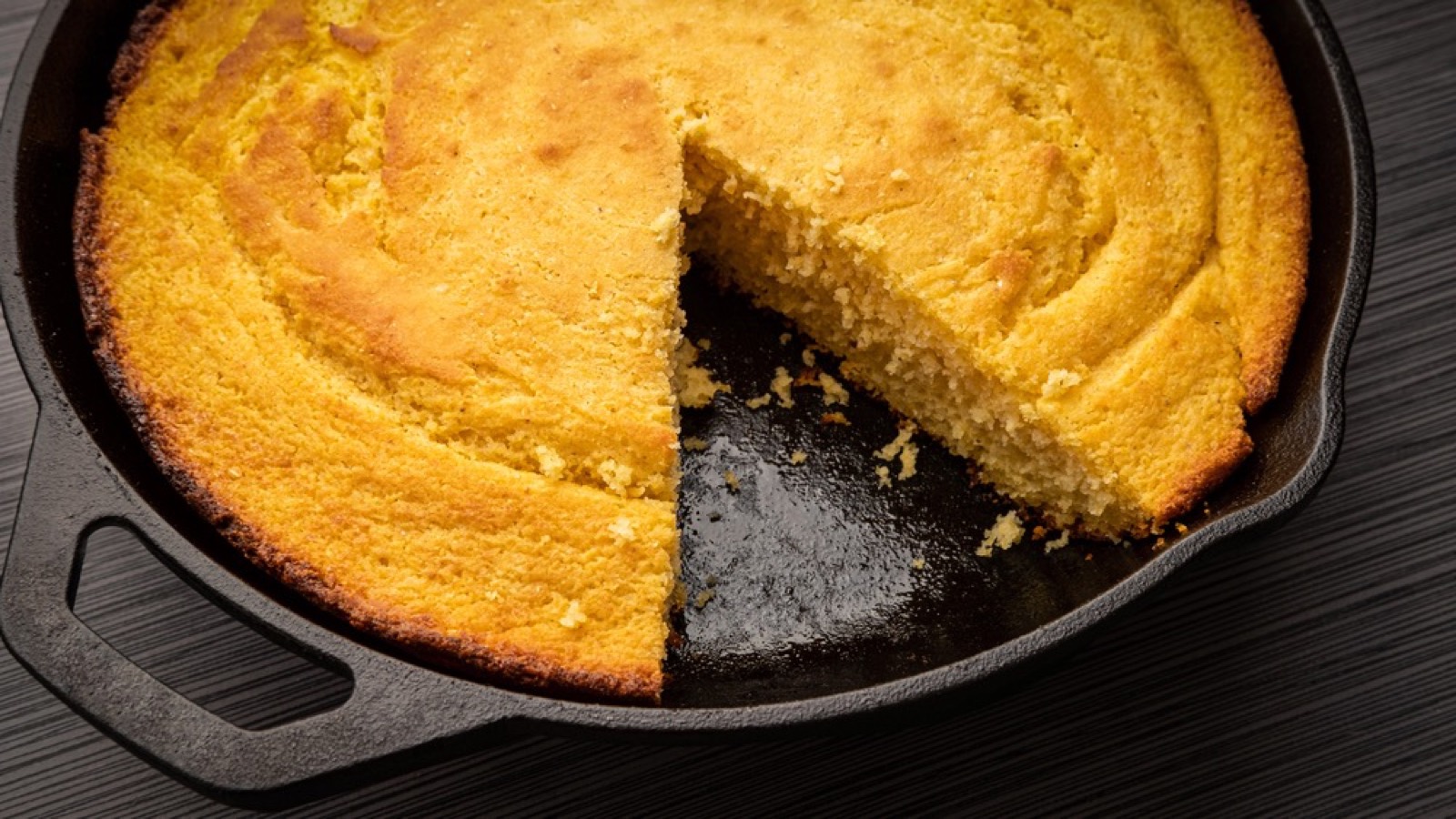
For longer storage, refrigerate cornbread for up to a week, or freeze it for a few months. Reheat it in the oven or toaster oven to bring back its warm, fresh texture. A pat of butter on top while it is warm helps too.
Leftover cornbread is also delicious crumbled into a bowl of milk, a Southern tradition many grandparents still enjoy. It can also be used to make cornbread dressing for Thanksgiving.
Why This Trick Is Worth Trying
Cornbread is simple, affordable, and comforting. With a little sour cream, it can also stay moist and delicious for days. This small change makes cornbread easier to enjoy as leftovers, whether you serve it with chili, soup, or breakfast.
Whether you make your cornbread from scratch or from a box, sour cream is an easy upgrade. It costs very little and takes almost no extra effort.
Do you add sour cream to your cornbread, or does your family have another secret for keeping it moist? Many readers say their grandmothers never made it any other way than with buttermilk in a hot skillet.