10 Grocery Mistakes That Could Be Draining Your Wallet
In today’s economy, grocery bills are a growing concern for many families, and it’s easy to feel like you’re doing everything right, only to find your expenses creeping higher. But here’s the uncomfortable truth: some of the habits you think are saving you money might actually be setting you back. From impulse buys to ignoring discounts, these common grocery shopping mistakes can eat into your savings faster than you realize. Let’s take a closer look at the risks you’re taking and how to avoid them.
Ignoring Meal Planning
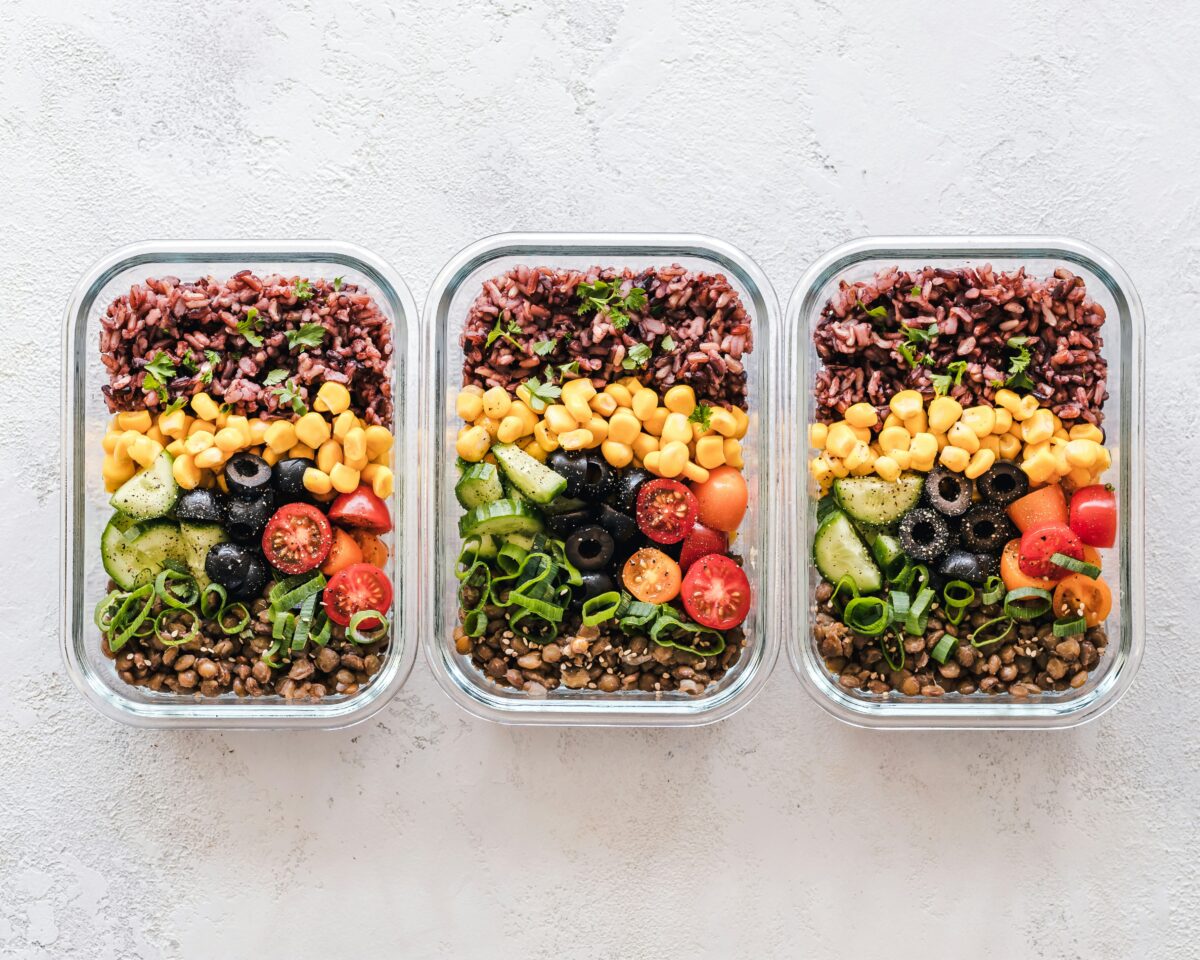
Meal planning is often dismissed as unnecessary, but skipping it is one of the most costly mistakes you can make. Without a plan, you’re more likely to buy things you don’t need, leading to wasted food and overspending. If you don’t plan ahead, you’ll find yourself scrambling for last-minute options or relying on expensive takeout. The true cost of this habit isn’t just in the extra items you purchase but in the food that ultimately gets tossed out because it wasn’t used in time.
Falling for Flash Sales and Promotions
It’s easy to get swept up in the excitement of a “limited-time offer” or “buy one, get one free” deal, but these promotions often lead to impulse purchases that you don’t actually need. Stores rely on this psychology to get you to buy things you wouldn’t normally consider. Rather than saving you money, these “deals” often lead to overspending. It’s critical to evaluate whether the promotion aligns with your actual needs or if it’s just a clever tactic to get you to spend more.
Over-Reliance on Pre-Packaged Convenience
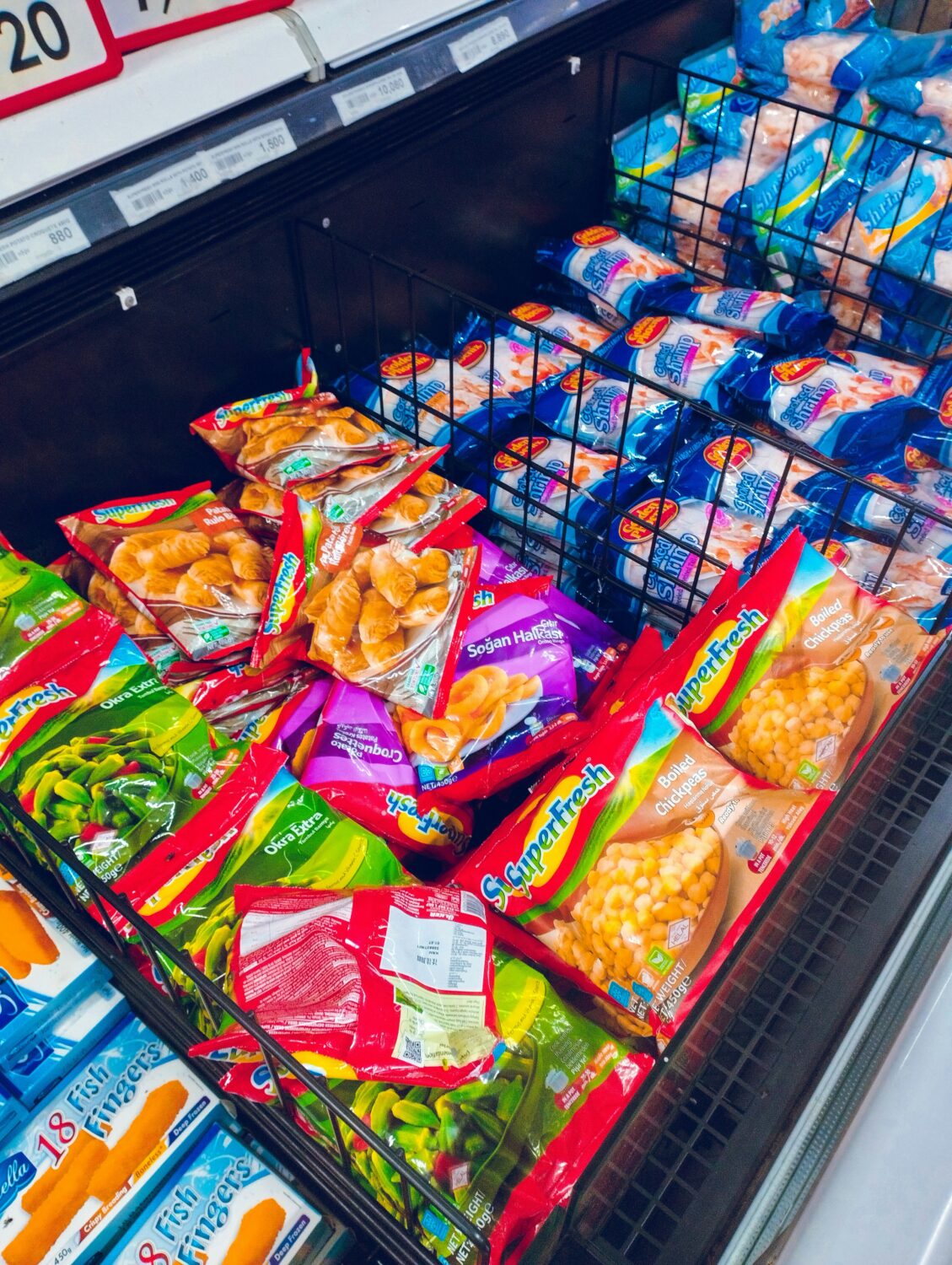
Pre-packaged or pre-cut produce might seem like a timesaver, but it comes with a hefty price tag. Not only are you paying for convenience, but the value of those pre-packaged items is often far less than that of buying the whole item and prepping it yourself. You’re also paying for excessive plastic packaging that harms the environment. Over time, the extra cost of convenience adds up, draining your wallet without adding any real value to your meals.
Ignoring Store Brands
Most people stick to name-brand products without realizing that store brands are often manufactured by the same companies at a fraction of the price. By overlooking these options, you could be wasting money without any noticeable difference in quality. The truth is, many store-brand products are virtually identical to their branded counterparts in taste and ingredients. By sticking to old habits and ignoring the budget-friendly alternatives, you’re letting savings slip through your fingers.
Buying Fresh Instead of Frozen

Fresh fruits and vegetables are often seen as the healthier option, but the truth is, they’re not always the smartest financial choice. Fresh produce spoils quickly, leading to waste, while frozen options offer similar nutritional benefits at a fraction of the cost. Frozen vegetables, berries, and even meats have much longer shelf lives, reducing the risk of food waste. If you’re sticking to fresh produce for quality while ignoring the financial realities, you could be overspending.
Overlooking Bulk Purchases
Bulk buying can seem like a great way to save, but if you’re not careful, it can actually lead to more waste. If you don’t consume the items in time, you’re left with expired products that you’ve spent money on for nothing. The key to bulk buying is knowing what products you can store and use efficiently. Spontaneous bulk buys for items you don’t use regularly are a surefire way to waste money and space in your kitchen.
Not Comparing Prices Across Stores
Failing to compare prices across different stores can lead to substantial overspending. Many people assume that their go-to store offers the best deals, but that’s often not the case. Prices vary significantly from one store to another, especially for specialty items and organic products. If you’re not willing to take the time to shop around and compare prices, you’re likely paying more than necessary for everyday groceries.
Ignoring Seasonal Produce
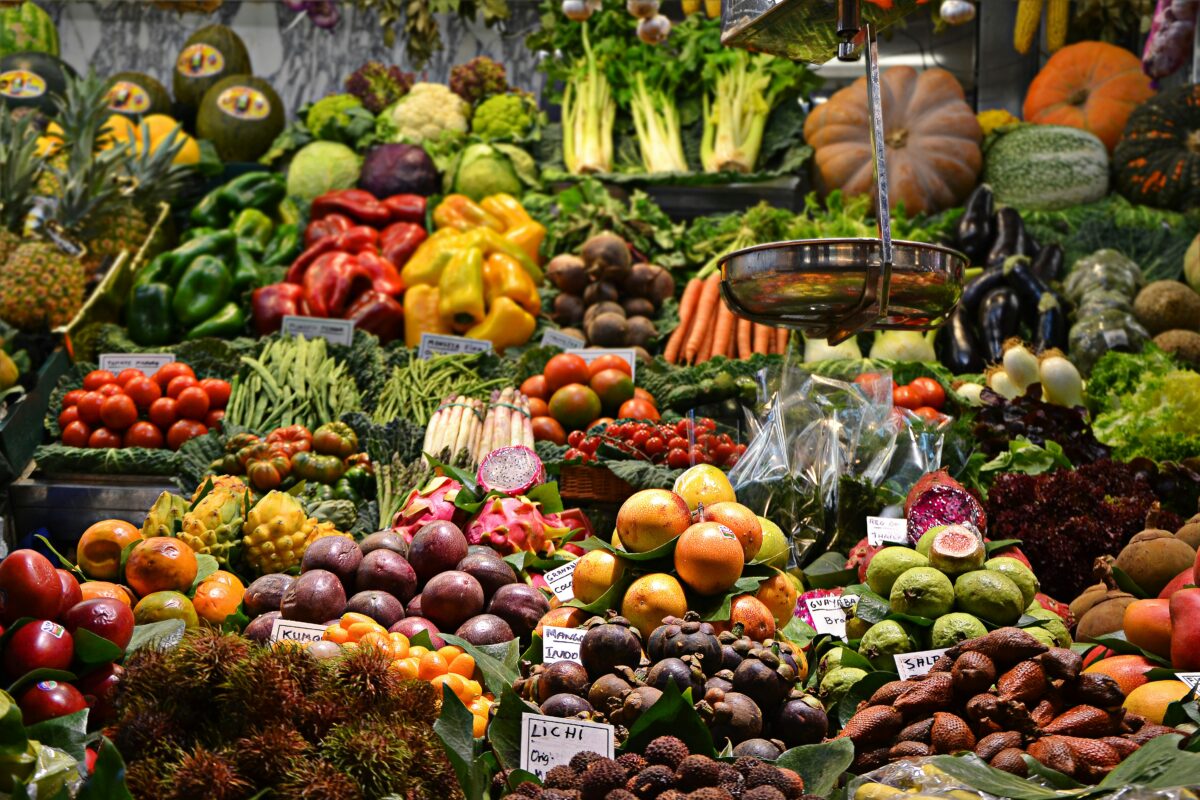
Seasonal produce is typically the most affordable and freshest option, but many shoppers ignore this and buy out-of-season fruits and vegetables at higher prices. Not only do off-season items cost more, but they also tend to be lower in quality and contain fewer nutrients. By sticking to seasonal options, you’ll not only enjoy fresher, tastier food but also save a significant amount of money on your grocery bill.
Shopping While Hungry: A Surefire Way to Overspend
This is one of the most common yet overlooked mistakes that sends many shoppers into the red. When you go grocery shopping on an empty stomach, you’re far more likely to throw unnecessary items into your cart. From snacks to comfort foods, hunger clouds your judgment and increases the likelihood of impulse buying. Avoid shopping when you’re hungry to avoid regretting your purchases once you get home.
Stocking Up on ‘Healthy’ Processed Foods
We’ve all fallen for the marketing gimmicks of “healthy” processed foods, but the truth is, these items often come with a hefty price tag and little nutritional benefit. From protein bars to specialty drinks, these products are expensive and unnecessary. Instead of filling your cart with these overpriced items, focus on whole, unprocessed foods that are just as nutritious and far more cost-effective.
Key Takeaway
If you’re tired of seeing your grocery bill skyrocket, it’s time to take a hard look at your shopping habits. By recognizing these common pitfalls, meal planning, buying in bulk, avoiding impulsive buys, and more, you can avoid costly mistakes and make smarter financial choices. The goal isn’t just to cut back on your grocery spending but to make your money work harder for you without sacrificing quality or nutrition.