6 Foods That Look Like a Big Meal but Disappear Fast
Some foods know how to make an entrance. A deep bowl arrives steaming at the table, a stack rises high beneath glossy toppings, or a wide plate looks crowded with color and texture. Then you start eating, and somehow the whole thing disappears faster than its appearance suggested.
That mismatch often has less to do with the food itself than with presentation. Broth can make a bowl look enormous. Leafy greens create height. Fluffy textures take up space.
Toppings add visual drama. And some dishes simply make more sense as one part of a larger spread. Here are six familiar examples.
Plain Rice Bowls
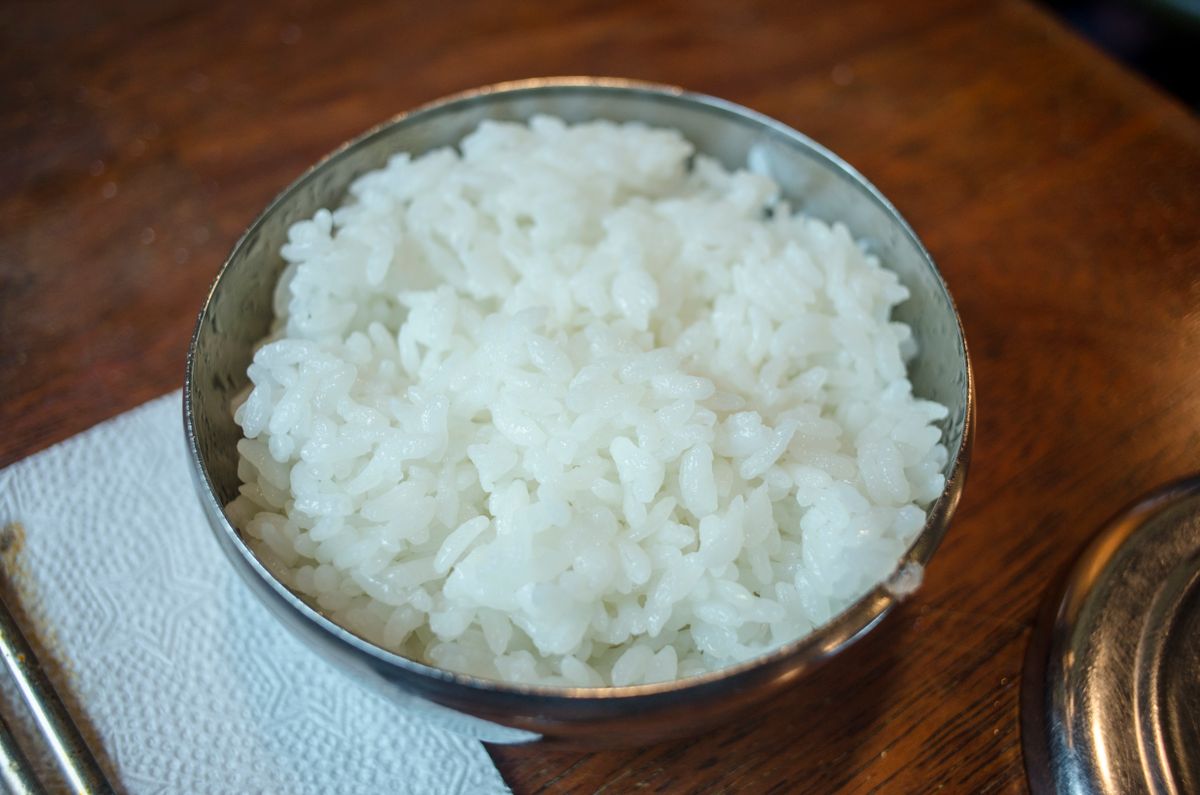
Rice has a talent for looking substantial simply because it can be piled into a generous mound. Place it in a bowl, add a little seasoning, and the result already has the shape of a complete meal.
Yet rice bowls are often built around the idea of rice as a base rather than the entire attraction. As Serious Eats’ guide to building a better rice bowl explains, toppings such as pickled vegetables, seaweed, mushrooms, eggs, and sauces introduce different textures and flavors to the bowl.
Without those elements, a mostly plain bowl can become repetitive surprisingly fast. The mound may look impressive at first, but a good rice bowl often becomes more interesting when the rice has plenty of company.
Brothy Vegetable Soup
A big bowl of vegetable soup has instant visual heft. There is steam, color, plenty of movement from vegetables floating through the broth, and enough liquid to fill a deep bowl nearly to the rim.
But that generous-looking bowl may owe much of its size to broth. When the vegetables are soft, and the soup is thin or lightly blended, the whole thing can be eaten more quickly than the serving vessel suggests.
Cooks looking for more body and texture can add ingredients such as beans, bread, potatoes, rice, or barley. Bon Appétit’s soup-making guide also points to additions like beans, bread, potatoes, rice, and barley as ways to give soup more texture and presence. Bread on the side also changes the experience. Without those extras, a brothy vegetable soup can feel more like the opening act than the entire show.
A Light Salad Served as the Main Event
Few dishes can occupy a bowl as impressively as a pile of leafy greens. Delicate leaves sit loosely on top of one another, creating height and volume before the first forkful is taken.
Once tossed and eaten, though, that mountain can shrink with surprising speed. A salad made mostly from greens offers a very different experience from one built with contrasting textures and additional components.
Nuts, grains, sauces, and other toppings can turn a simple bowl of leaves into something more composed. As Bon Appétit notes in its guide to building more flavorful vegetarian meals, texture and bold accompaniments can give vegetable-centered dishes more contrast.
Without them, the original presentation may be doing much of the visual work. What looked like an enormous lunch a few minutes ago can suddenly become a remarkably empty bowl.
Related: 7 Surprisingly Healthy Foods That Can Leave You Bloated
Tomato Bruschetta
Tomato bruschetta is one of those foods that can look lavish while taking up relatively little actual plate space. Bright diced tomatoes mixed with basil, garlic, and olive oil can be piled generously over crisp pieces of toasted bread, creating a colorful presentation with plenty of height. A classic fresh tomato bruschetta is made by tossing diced tomatoes with basil, garlic, and olive oil, then spooning the mixture onto toast.
The catch is simply scale. Individual pieces are often small, and bruschetta commonly appears in appetizer, bar-bite, sharing, or opening-course settings.
That makes perfect sense for the dish. It is easy to pick up, easy to pass around, and visually dramatic enough to command attention. A platter of bruschetta can look abundant from across the table, even while each person may only be eating a few compact pieces.
Related: Six Budget-Friendly Foods That Make Everyday Meals Healthier
Pancakes Without Substantial Sides
Pancakes may be the masters of breakfast stagecraft. Stack two or three of them, add butter, spoon over fruit or compote, drizzle with syrup, and suddenly the plate has height, shine, and plenty of visual appeal.
That height can make the serving look larger than the eating experience. Classic pancakes are often described as light and fluffy, and that airy texture means a handsome stack can disappear at a brisk pace. Bon Appétit’s spiced coconut pancake recipe, for instance, serves two to three pancakes per plate and finishes them with fruit salad, maple syrup, and chopped pistachios.
Additional breakfast components can change the overall presentation considerably. Served alone, pancakes can be surprisingly streamlined once the dramatic stack is gone. They look tall on arrival, but breakfast architecture has a way of collapsing quickly under a fork.
Grilled Cheese Served Solo
A grilled cheese sandwich looks complete before it even reaches the table. Crisp browned bread encloses melted cheese; the sandwich has clear edges and structure, and cutting it into halves or triangles makes the plate look neatly finished.
Still, a standard grilled cheese is a compact dish. Its tidy shape can suggest a larger meal than the amount of food spread across the plate.
Its familiar pairing with tomato soup shows how much serving context can change that impression. Serious Eats’ grilled cheese recipe describes the sandwich as a crisp, closed sandwich griddled on both sides, while its tomato soup recipe suggests serving it with grilled cheese. The sandwich does not require a companion, of course. But beside a bowl of soup, it becomes part of a broader meal instead of a lone, golden rectangle on a plate.
Presentation can be wonderfully persuasive. Broth fills bowls, greens create volume, rice forms impressive mounds, toppings add drama, pancakes build height, and a neatly assembled sandwich can look complete all by itself.
None of these foods is somehow defective when served simply. They just demonstrate how strongly plates, bowls, textures, and pairings shape our expectations. Sometimes the eyes order a banquet, and the fork discovers something rather more compact.