The 9 Most Outrageous Correlations You’ve Never Heard Of
In statistics, correlation does not imply causation. Yet strange connections between unrelated things can make you question data.
Let’s explore 9 of the most outlandish correlations that challenge what you know.
Ice Cream and Murder

One of the wildest claims in statistics is this: More ice cream equals more murders. No, this isn’t the plot of your next summer slasher flick, but a favorite quirky example among data geeks.
It sounds like a twisted summer thriller. There’s no evidence that ice cream triggers violence, though studies show both increase in hot months.
As temperatures rise, people spend more time outside, creating more chances both for ice cream consumption and, sadly, violent crime. But aligned numbers do not prove causation.
Pirate Shortage and Global Warming
A notoriously absurd study claimed a drop in pirates caused global warming. The idea: fewer pirates meant fewer ships and, supposedly, less atmospheric cooling from pirate activity.
This example, more joke than science, shows how misused correlations yield wild conclusions. The real rise in temperatures follows industrialization, not piracy.
Wealth Inequality and Penis Size
Imagine this: researchers found a statistical correlation between living in a poorer country and having a larger penis size.
While this correlation has sparked some online humor, the link has no scientific basis. It turns out this odd connection may be due to quirks in data sampling, such as regional health disparities and body-size differences across cultures. The takeaway?
Just because there’s a statistical relationship doesn’t mean it’s grounded in biology.
Eating Organic and Autism

This may be the most controversial. Some studies found a correlation between eating organic food and autism diagnoses, but the data are misleading.
Rising organic food consumption parallels increased autism diagnosis, but they’re not causally linked. This example reminds us that correlation is not causation, and hasty conclusions can be harmful.
Internet Explorer and Murder
Some claim that Internet Explorer users face increased murder risk. Supposedly, outdated browsers indicate less tech-savvy users, which can lead to greater stress and frustration.
This theory’s popularity shows the tendency to link unrelated behaviors. True causes of crime are more complex and rooted in social factors, not browsers.
Mexican Lemons and Highway Deaths
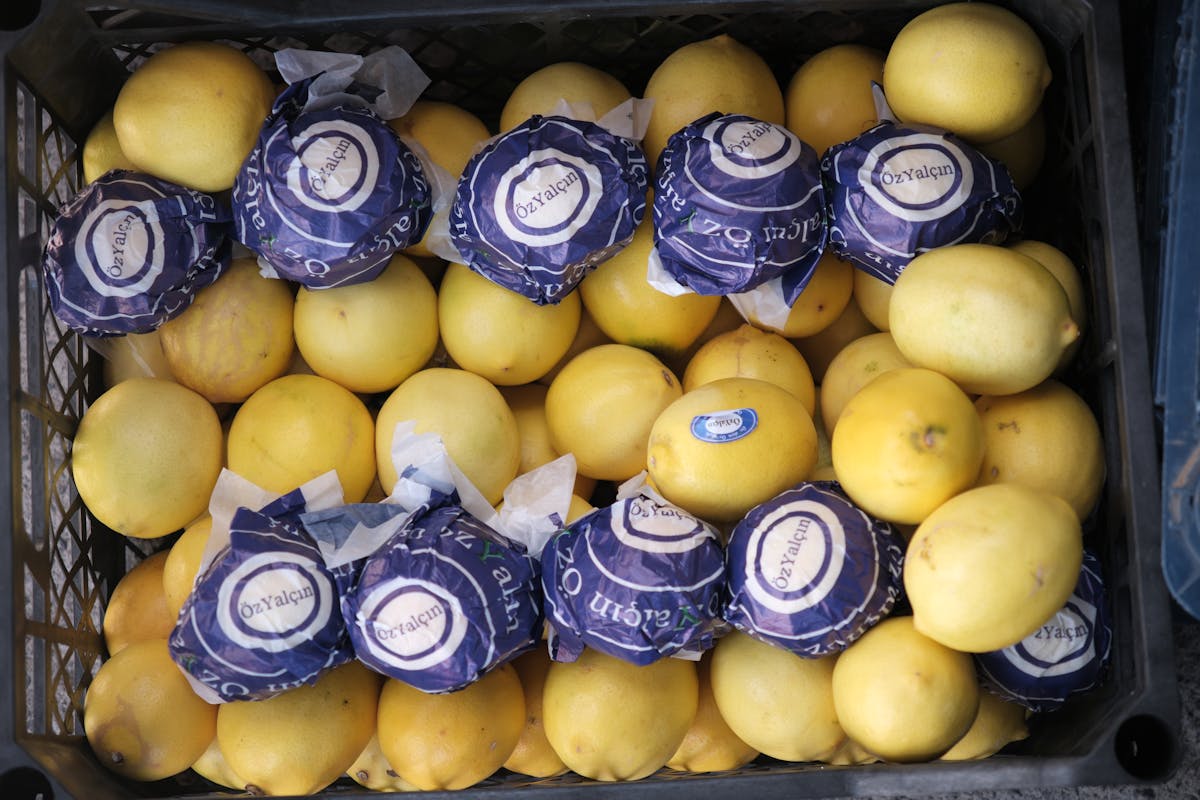
A strange statistic suggests that higher Mexican lemon imports coincide with fewer U.S. highway deaths.
While there’s no reason to believe that lemons directly affect road safety, this correlation may simply reflect seasonal trends or economic factors, such as trade agreements, that affect both the availability of lemons and safety regulations.
As with many correlations, a deeper look reveals a complex web of contributing factors.
Obesity and the Economic Crisis
Another bizarre finding came from a study that connected rising obesity rates to the global financial crisis. The theory was that as people became more stressed by economic instability, they turned to food for comfort, thereby increasing obesity.
There’s no direct causal link between weight gain and downturns; correlations often reflect broader social and environmental factors.
Facebook and the Greek Debt Crisis
Could Facebook have been responsible for the Greek debt crisis? This odd theory holds that the rise of social media distracted people from Greece’s economic troubles, contributing to the nation’s financial downfall.
While Facebook’s rise surely had an impact on global culture, it’s far from the root cause of the Greek financial collapse, which was more likely driven by fiscal mismanagement, debt, and policy errors. But it’s an interesting example of how technology is often blamed for far more than it actually causes.
Facebook and Cholesterol-Lowering

Lastly, some suggest Facebook negates the cholesterol-lowering effects of Justin Bieber’s music.
Despite the claim, the link is weak: People who spend more time on Facebook may have worse cholesterol. The supposed connection to Bieber is just internet humor, showing how quirky correlations attract attention online.
Key Takeaway
These examples show how easily false connections are made.
They highlight the importance of critical thinking and caution when interpreting data, especially in today’s world, where information is abundant, but accuracy can be elusive.
Intriguing as some correlations are, always remember: coincidence doesn’t mean causation.