Culver City’s In-N-Out Fight Isn’t About Burgers; It’s About the Future of California Streets
A proposed drive-thru ban in Culver City has opened a wider debate about traffic, accessibility, and the changing identity of American cities.
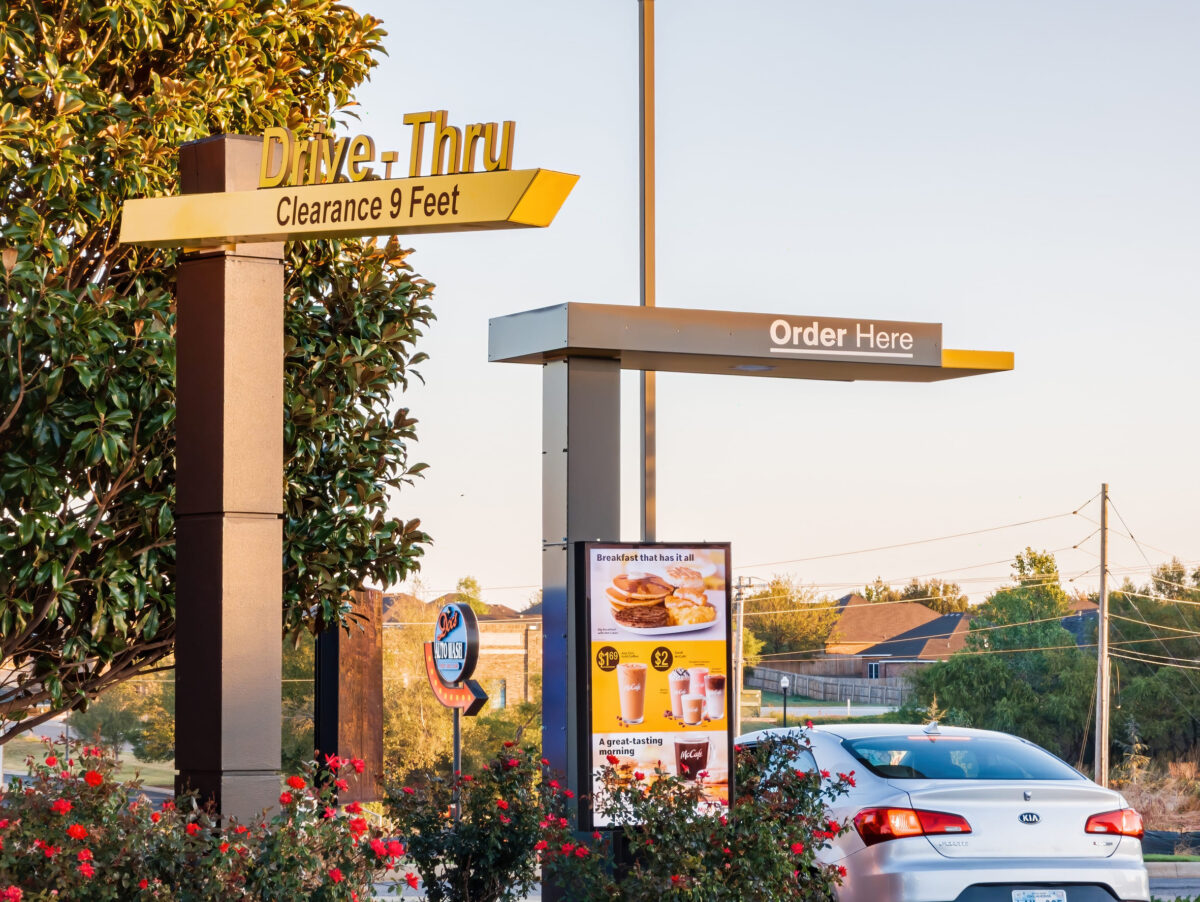
A single restaurant proposal has pushed the Culver City drive-thru ban debate into the spotlight, raising questions about how California communities should balance convenience, business growth, environmental concerns, and the future of urban design.
The controversy began after residents challenged a proposed In-N-Out drive-thru development, arguing that the project could increase traffic congestion, worsen local air quality, and pose safety risks to pedestrians and cyclists. In response, Culver City officials approved a temporary 45-day moratorium on new drive-thru permits while city staff examined possible long-term restrictions.
The debate represents a much larger shift happening across California and other parts of the United States. As cities become denser and more residents demand safer, more walkable neighborhoods, communities are reconsidering whether traditional car-focused developments still fit their long-term goals.
At the same time, drive-thru businesses remain deeply connected to modern consumer habits. For many customers, they provide speed, convenience, and accessibility. The Culver City drive-thru ban discussion has therefore become a complicated debate over who cities are designed for and what urban life should look like in the future.
The In-N-Out Proposal That Became a Symbol of a Bigger Urban Battle
The proposed In-N-Out location would be the first new drive-thru development in Culver City since 1997, according to a city staff report. The planned restaurant would include 61 parking spaces and a drive-thru lane capable of holding about 26 vehicles. Although the company had not formally submitted its permit application before the moratorium, the proposal quickly became a major community issue.
Residents who oppose the project argue that the impact could extend beyond the restaurant’s property. They believe a popular fast-food location could attract customers from outside the immediate neighborhood, creating additional vehicle pressure on nearby streets. Their concerns focus on traffic patterns, vehicle queues, pedestrian movement, and the overall character of surrounding areas.
The Culver City drive-thru ban debate reflects a broader struggle between two visions of urban development. One approach emphasizes convenience and automobile access, while the other prioritizes walkability, cycling infrastructure, and public spaces designed around people rather than vehicles.
This conflict is becoming increasingly common in growing cities. Communities are asking whether developments created decades ago for car-centered lifestyles still make sense in neighborhoods now facing population growth and transportation challenges.
Why Residents Fear a Traffic Problem Before the First Burger Is Sold

Opponents of the proposed drive-thru are not only concerned about the restaurant itself. They are focused on what happens when a busy commercial property interacts with an already active urban environment.
A drive-thru creates a unique traffic pattern because vehicles do not simply arrive and leave. They enter a waiting system where cars may remain parked or idling for several minutes. Residents argue that during busy periods, these lines could affect nearby streets and create additional conflicts between drivers, cyclists, and pedestrians.
Vanessa Martin, a Culver City resident organizing support for stronger drive-thru restrictions, said the goal was not to prevent development but to encourage better planning. “Density is inevitable, and development is inevitable,” Martin told LAist. “We want to be proactive and smart about it.”
Her comments reflect a growing movement among urban residents who want future development to match community priorities. In many cities, residents are increasingly focused on reducing traffic conflicts, improving pedestrian safety, and creating neighborhoods where daily activities can take place without relying entirely on cars.
The Culver City drive-thru ban proposal therefore represents more than opposition to one restaurant. It reflects concerns about how individual projects can influence transportation patterns for years.
The Climate Question Hidden Inside the Drive-Thru Debate
Environmental concerns have become one of the strongest arguments for restricting new drive-thru facilities. Critics argue that businesses designed around vehicle waiting times can contribute to localized pollution and reinforce dependence on cars.
California has spent decades promoting cleaner transportation, reducing emissions, and encouraging alternatives to driving. However, many communities still depend heavily on vehicles due to suburban development patterns, limited public transportation options, and long commutes.
This creates a difficult policy challenge. A city can encourage walking and cycling, but many residents still need vehicles for work, family responsibilities, and daily errands. The debate is not simply about eliminating cars but about deciding where and how cars should fit into future communities.
Drive-thru critics argue that urban planning decisions should consider long-term environmental effects. They believe that approving additional car-focused developments could make it harder for cities to meet broader sustainability goals.
Supporters of drive-thru businesses respond that convenience and environmental responsibility do not always have to conflict. They argue that modern technology, improved vehicle efficiency, and smarter traffic management can help reduce negative impacts without eliminating consumer options.
The Accessibility Debate Complicates Calls for a Drive-Thru Ban
One of the most challenging aspects of the Culver City drive-thru ban discussion involves accessibility. While some residents see drive-thrus as outdated car-oriented developments, others view them as important services that provide flexibility for people with different needs.
Restaurant industry representatives argue that drive-thrus can benefit people with disabilities, elderly customers, parents with young children, and workers with limited time in busy schedules. For some customers, ordering from a vehicle may be easier than entering a restaurant and waiting in line.
Jot Condie, president of the California Restaurant Association, criticized broad drive-thru restrictions as “shortsighted.” He argued that banning drive-thrus could effectively limit quick-service restaurant options without directly addressing accessibility concerns.
The accessibility argument has appeared in other California debates about drive-thru restrictions. When San Diego considered partial restrictions in 2021, restaurant industry groups raised concerns that certain residents could lose convenient access to services.
This issue creates a difficult question for policymakers. How can cities encourage safer, cleaner neighborhoods while ensuring that changes do not create new barriers for people who rely on alternative forms of access?
A Battle Between Modern City Planning and Everyday Convenience
The disagreement in Culver City highlights a growing divide between urban planning goals and consumer expectations. City planners increasingly promote walkable neighborhoods, mixed-use developments, and reduced dependence on vehicles. Many consumers, however, continue to value speed and convenience.
Drive-thru businesses remain economically important for the restaurant industry. The American Planning Association has noted that drive-thru orders account for a significant share of fast-food sales, underscoring how closely these services are tied to consumer behavior.
For restaurant operators, drive-thrus are often more than an additional feature. They can account for a major share of daily operations and revenue. Eliminating them may influence where companies choose to expand and how businesses design future locations.
Critics of drive-thru restrictions argue that cities should allow businesses to adapt to customer demand. They believe residents should be able to choose convenient services rather than have governments remove those options.
Supporters counter that individual consumer choices can create broader community impacts. A single development may affect traffic, safety, and neighborhood design long after the business opens.
California’s Long History of Rethinking the Role of Drive-Thrus

The Culver City drive-thru ban debate is part of a larger California trend. Several cities have already experimented with restrictions as they attempt to reshape transportation habits and neighborhood design.
Culver City already prohibits drive-thrus in its downtown area. Santa Barbara and San Luis Obispo have maintained citywide restrictions for decades, while Carlsbad recently moved toward a more flexible approach by allowing case-by-case consideration of certain proposals.
These examples show that California communities are not following a single strategy. Some cities believe that strict limits encourage healthier urban environments, while others prefer to evaluate projects individually based on location and impact.
The differences between these cities demonstrate the complexity of planning decisions. A policy that works in one community may create challenges in another because transportation systems, population density, and local needs vary significantly.
Culver City’s decision could become another important example in this ongoing national conversation about how communities should manage growth.
The Real Question Behind Culver City’s Drive-Thru Debate
The future of the proposed In-N-Out location remains uncertain, but the discussion it created is unlikely to disappear. Across America, cities are reconsidering how commercial spaces, transportation systems, and public areas should interact.
The Culver City drive-thru ban debate represents a deeper question about urban priorities. Should cities continue expanding around the convenience of vehicles, or should they redesign neighborhoods around walking, cycling, and shared public spaces?
There are valid arguments on both sides. A pedestrian may see a drive-thru as a source of unnecessary congestion. A parent may see it as a practical solution during a busy day. A person with limited mobility may view it as an important accessibility option.
The challenge for cities is not simply choosing between cars and pedestrians. It is creating communities that recognize the realities of modern life while preparing for future needs.
Culver City’s decision will likely influence more than one restaurant project. It may become a measure of how California communities define progress: through greater convenience, stronger environmental goals, safer streets, or a careful balance of all three.