6 Foods You Can Make Ahead to Save Time on Busy Weeknights
Dinner always seems to demand the most attention when you have the least energy to give it. You get home, open the refrigerator, and realize that even a simple meal requires chopping, cooking, and cleaning up.
Fortunately, making dinner easier doesn’t mean preparing five complete meals every Sunday. Sometimes, having a few ingredients already cooked is enough to make the evening more manageable.
These six make-ahead foods can become the foundation for several dinners. The trick is preparing manageable portions, storing them properly, and freezing anything you won’t use within the next few days.
Cooked Chicken
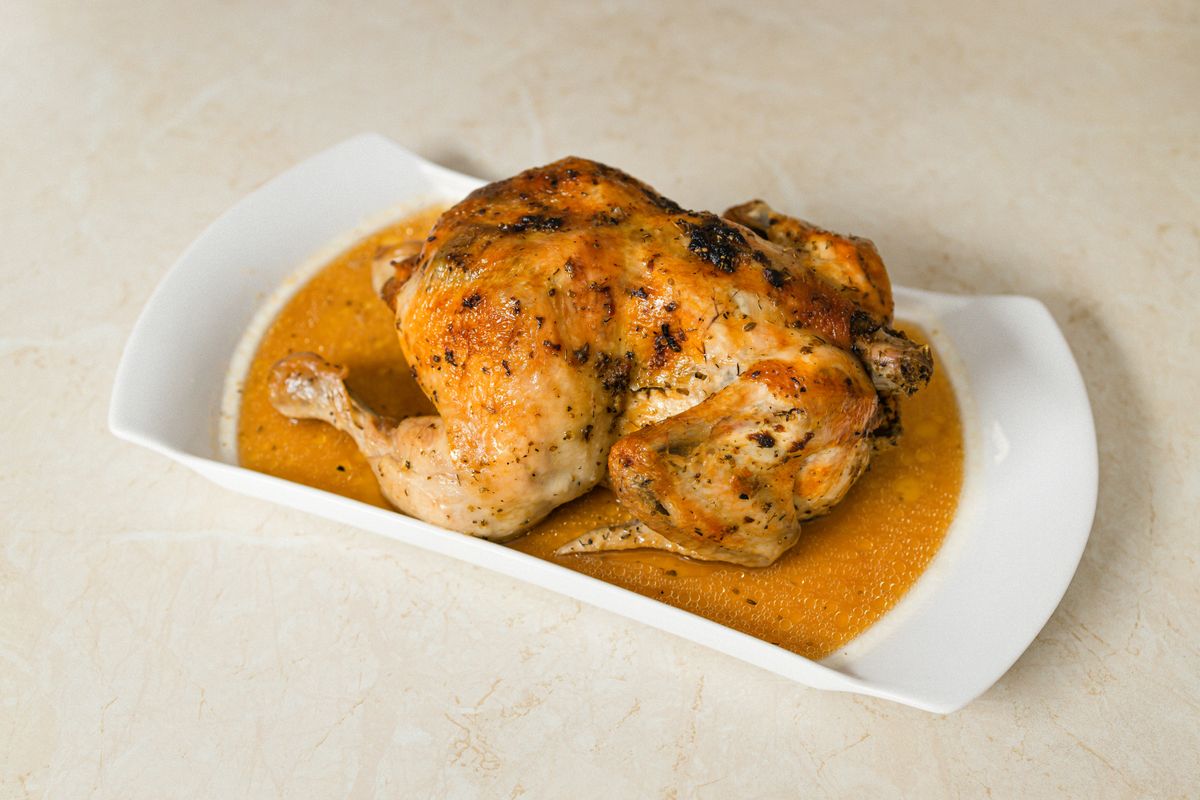
A container of cooked chicken can make dinner feel halfway finished. Roast or poach a batch, then divide it into portions that suit your household.
Shredded chicken works well in tacos and quesadillas, while sliced chicken can be added to pasta, grain bowls, or sandwiches. Change the seasonings and accompaniments to avoid repeating the same dinner.
Chicken should reach an internal temperature of 165°F, checked with a food thermometer.
According to the FoodSafety.gov cold food storage chart, cooked poultry leftovers keep for three to four days in the refrigerator. Freeze extra portions promptly; the chart lists two to six months in the freezer as a best-quality guideline.
Tomato-Based Pasta Sauce
Homemade tomato sauce can rescue dinner when you haven’t planned anything elaborate.
Prepare your favorite tomato-based sauce, then divide it into containers holding enough for one dinner. This saves you from thawing a large batch when you need only a little.
Spaghetti is the obvious choice, but you can also spoon the sauce over meatballs or layer it into baked pasta.
Refrigerate portions you’ll use within three to four days and freeze the rest. Taste of Home’s guide to freezing spaghetti sauce recommends approximately three months for tomato-based sauce as a freezer-quality target, not a safety deadline. Leave room for expansion in containers, and bring the sauce to a rolling boil when reheating.
Related: How to Make a Healthy Meal Plan on a Budget
Cooked Beans
Beans are useful when you want a flexible ingredient rather than a finished meal. Cook black, pinto, or white beans following package directions or a tested recipe. Separate them into portions that match the meals you’re likely to make.
Black beans can fill burritos, pinto beans can be mashed for quesadillas, and white beans can be added to soups. Combine cooked beans with rice and your favorite toppings for another straightforward dinner.
Follow the general three-to-four-day refrigerator guideline for cooked leftovers. Freeze meal-sized portions you won’t use during that period, so you can thaw what you need.
A Big Pot of Soup for Nights
Some evenings call for a meal that needs little more than reheating. That’s where a pot of broth-based vegetable soup comes in.
Prepare the soup ahead, then divide it into individual servings or family-sized portions. Serve it on its own or alongside bread.
For noodle soup, consider adding freshly cooked noodles when serving rather than freezing them in the broth. Pasta can soften after freezing, and keeping it separate helps preserve its texture.
Refrigerate soups and stews containing vegetables or meat for three to four days. Their freezer recommendation is two to three months for best quality.
Divide large batches into shallow containers for prompt cooling and refrigeration. Bring soup to a rolling boil when reheating.
Roasted Vegetables
Roasting vegetables in advance takes another preparation task off your evening schedule. Carrots, broccoli, and cauliflower can work as sides or become part of another dish.
Add them to a grain bowl, toss them with freshly cooked pasta, or fold them into a quesadilla. They can also accompany some of the chicken you prepared earlier.
This approach suits households that prefer assembling meals from different components rather than preparing complete dinners ahead.
Follow the general three-to-four-day refrigerator guideline for cooked leftovers. Freeze additional portions for later, remembering that freezing and reheating can change their texture.
Related: How to Freeze Fresh Green Beans to Enjoy All Year
A Fully Baked Pasta Casserole
Sometimes you don’t want ingredients waiting to be assembled. You want dinner practically finished. A fully baked pasta casserole, such as baked ziti, gives you that option. Prepare and bake the dish, then divide it into portions for future meals.
Individual servings suit staggered schedules, while a larger portion works for a family dinner. If you’re making the casserole specifically for freezing, slightly undercooking the pasta before assembling may help prevent an overly soft result.
Refrigerate cooked leftovers for three to four days, or freeze them for longer storage. Thaw frozen servings in the refrigerator, not on the counter, and reheat until the center reaches 165°F.
A Few Storage Rules Worth Remembering
The federal four steps to food safety include refrigerating perishable cooked foods within two hours, or one hour when temperatures exceed 90°F. Use shallow containers for faster cooling, keep the refrigerator at 40°F or below, and maintain the freezer at 0°F or below.
You don’t need to fill every shelf with prepared meals. Start with two or three foods your household enjoys, refrigerate what you’ll use within the recommended period, and freeze portions for later. Dinner becomes less about starting from scratch and more about putting a few things together.