Harris County Toll Text Scam Expands as Fake Fee Messages Trigger Fresh Warnings Across Houston.
A wave of deceptive text messages posing as toll payment alerts is sweeping through Harris County, prompting renewed warnings from local officials and federal investigators. The messages look routine at first glance, but authorities say they are part of a fast-growing scam designed to steal money and personal data from unsuspecting drivers.
The texts typically claim the recipient owes an unpaid toll fee or traffic charge. They include urgent language, small payment demands, and a link that appears to lead to an official government portal. But behind the polished design is a fraudulent system built to capture sensitive financial information. Harris County officials have confirmed that these messages are not legitimate. The District Clerk’s Office does not collect toll payments, nor does it send text messages demanding immediate fees.
The FBI and other agencies have also been alerted as reports of similar scams continue to rise across Texas and other states.
A Simple Message Built to Create Instant Panic

The scam thrives on speed rather than complexity. A driver receives a message stating they owe money for unpaid tolls. The tone is firm. The deadline is immediate. The consequence is often described as fines, penalties, or account suspension.
That structure is intentional. Cybersecurity experts describe this tactic as “smishing,” a form of phishing conducted through SMS messages. Instead of hacking systems, scammers hack attention. They rely on people reacting before verifying. Once the victim clicks the link, they are directed to a website that closely resembles official toll or county payment portals. The design often includes government-style logos, legal language, and structured payment forms.
In some cases, victims report being asked to enter multiple card details after initial payment attempts are rejected. That detail has raised concern among investigators. It suggests the scam is not only targeting one-time payments but potentially harvesting multiple financial identities from a single interaction.
Why Toll Systems Are Becoming a Prime Target
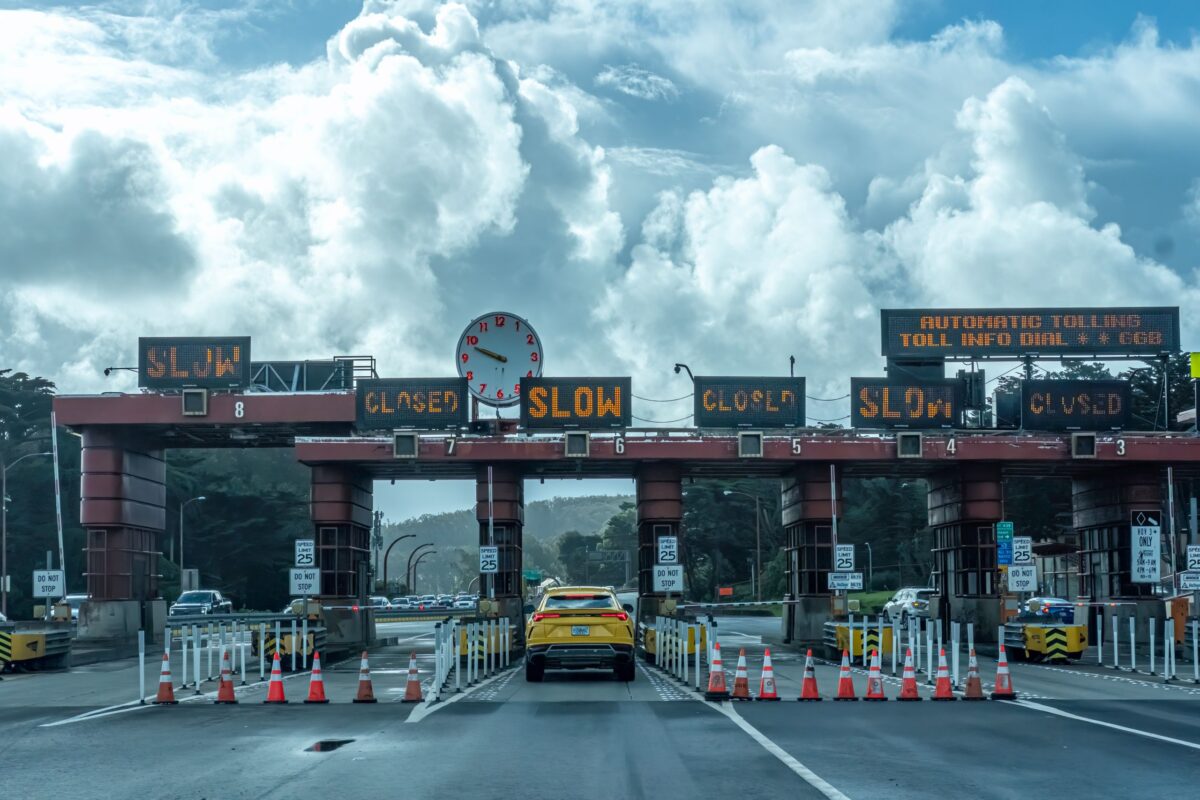
Toll systems are uniquely vulnerable to impersonation scams because they are already digital, routine, and often automated. In Texas, drivers regularly interact with systems such as TxTag, EZ TAG, and TollTag for highway travel.
Payments are frequently processed online, making digital communication feel normal. Scammers exploit that familiarity. A message about unpaid tolls does not immediately sound unusual to someone who commutes daily on toll roads.
There is no obvious emotional shock factor. Instead, there is recognition, and that recognition lowers skepticism.
Federal investigators have noted a broader pattern: scammers increasingly target systems where small, routine payments are common. Utility bills, delivery fees, parking fines, and toll charges all fall into that category. The goal is not to confuse the victim. The goal is to make the scam feel ordinary enough that it doesn’t raise questions.
Harris County Officials Issue Clear Warning
Authorities in Harris County have emphasized a critical point: the District Clerk’s Office does not collect toll fees or request payments via text messages. Officials say any message claiming otherwise should be treated as fraudulent by default.
Residents are being urged to avoid clicking links in unsolicited texts, even if the message appears official. Instead, they should independently access the agency’s website through a trusted browser or contact verified phone numbers listed on official government pages.
The warning also stresses that replying to these messages or engaging with the sender can confirm to scammers that a phone number is active, potentially increasing future scam attempts.
The Digital Mask Behind Government Impersonation
One of the most dangerous elements of the scam is how convincingly it mimics official communication. Fraudulent websites often copy government branding with high precision. Fonts, seals, and page layouts are designed to mirror real county or toll authority platforms.
Some even include fabricated case numbers or payment histories to enhance credibility. Cybersecurity analysts note that these scams are becoming easier to produce due to widely available website templates and artificial intelligence tools that can generate convincing language at scale.
The result is a digital mask that looks legitimate long enough to trick users into entering sensitive data. Once entered, that information can be used for unauthorized purchases, identity theft, or resale on illicit markets.
The Scale of Text-Based Scams Is Growing Nationally
The Harris County alerts are part of a broader national trend. The Federal Trade Commission has repeatedly warned that text message scams are among the fastest-growing forms of fraud in the United States.
In recent years, billions of dollars have been lost nationwide to various forms of impersonation scams, including fake government notices and toll payment fraud. The FBI’s Internet Crime Complaint Center has also reported an increase in cases of “phishing via SMS,” noting that scammers often rotate among different themes, tolls, delivery services, and bank alerts to keep messages believable and timely.
The consistent pattern is urgency paired with authority. That combination remains one of the most effective psychological triggers in digital fraud.
Why Victims Fall for It Even When It Looks Suspicious
Experts say the success of these scams is not based on ignorance, but on timing and mental load. Most victims receive these messages while multitasking.
They may be commuting, working, or handling family responsibilities. In that environment, a message about a small unpaid fee feels like a minor task to resolve quickly. Scammers design the experience to discourage pause and reflection. The language often includes warnings like “final notice,” “immediate action required,” or “account will be suspended.” Even skeptical users can be pushed toward clicking simply to resolve uncertainty.
That is why officials emphasize a simple rule: government agencies do not demand immediate payment through unsolicited text links.
What Makes This Scam Different From Earlier Fraud Waves
Earlier phishing attempts often relied on obvious spelling errors or poorly designed pages. Modern scams are far more refined. Today’s fraudulent sites can look nearly identical to real government portals.
Some even include secure-looking padlock icons and HTTPS encryption, which can falsely signal safety to users. In addition, scammers now use localized language. Messages may reference specific counties, toll systems, or regional agencies to appear relevant to the recipient’s daily life. This localization makes the scam feel personal rather than generic, increasing the likelihood of engagement.
What to Do If You Receive or Click the Message
Authorities recommend immediate caution if a toll-related text is received unexpectedly. The first step is to avoid clicking any links. The second is to delete the message and block the sender. Residents are also advised not to respond, even to ask questions, as this can confirm that contact information is active.
If a user has already clicked the link but not entered any information, they should still close the page and avoid revisiting it. If personal or financial details have been entered, officials recommend contacting the bank or card provider immediately. This may include freezing accounts, disputing transactions, or issuing new cards. Victims can also report the scam to the Federal Trade Commission through its official reporting system and to the FBI’s Internet Crime Complaint Center, which tracks nationwide fraud patterns.
How to Verify Real Toll Charges Safely
Officials recommend a consistent verification method for any toll-related concern. Instead of using links provided in messages, drivers should manually visit the official website of their toll provider or county agency.
They can also call verified customer service numbers listed on official government websites. Another key step is checking account balances directly through established toll accounts such as TxTag or EZ TAG portals, rather than through emailed or texted prompts. This separation between message and action is critical in preventing fraud.
A Growing Digital Threat Hiding in Plain Sight
The Harris County toll fee text scam is part of a broader shift in digital fraud, in which attackers rely less on technical hacking and more on psychological manipulation. The messages are short, simple, and carefully timed.
They blend into everyday communication patterns, making them easy to overlook and difficult to question. Officials say the safest approach is to be skeptical by default. Any unexpected payment request sent via text should be treated as suspicious until independently verified.
As Houston continues to expand its digital infrastructure and toll systems, the challenge is no longer just road security; it is information security. And in this case, the most dangerous road is the one that starts with a single tap.