How Canned Cranberry Sauce Became a Thanksgiving Staple, and Why the Can Looks Upside Down
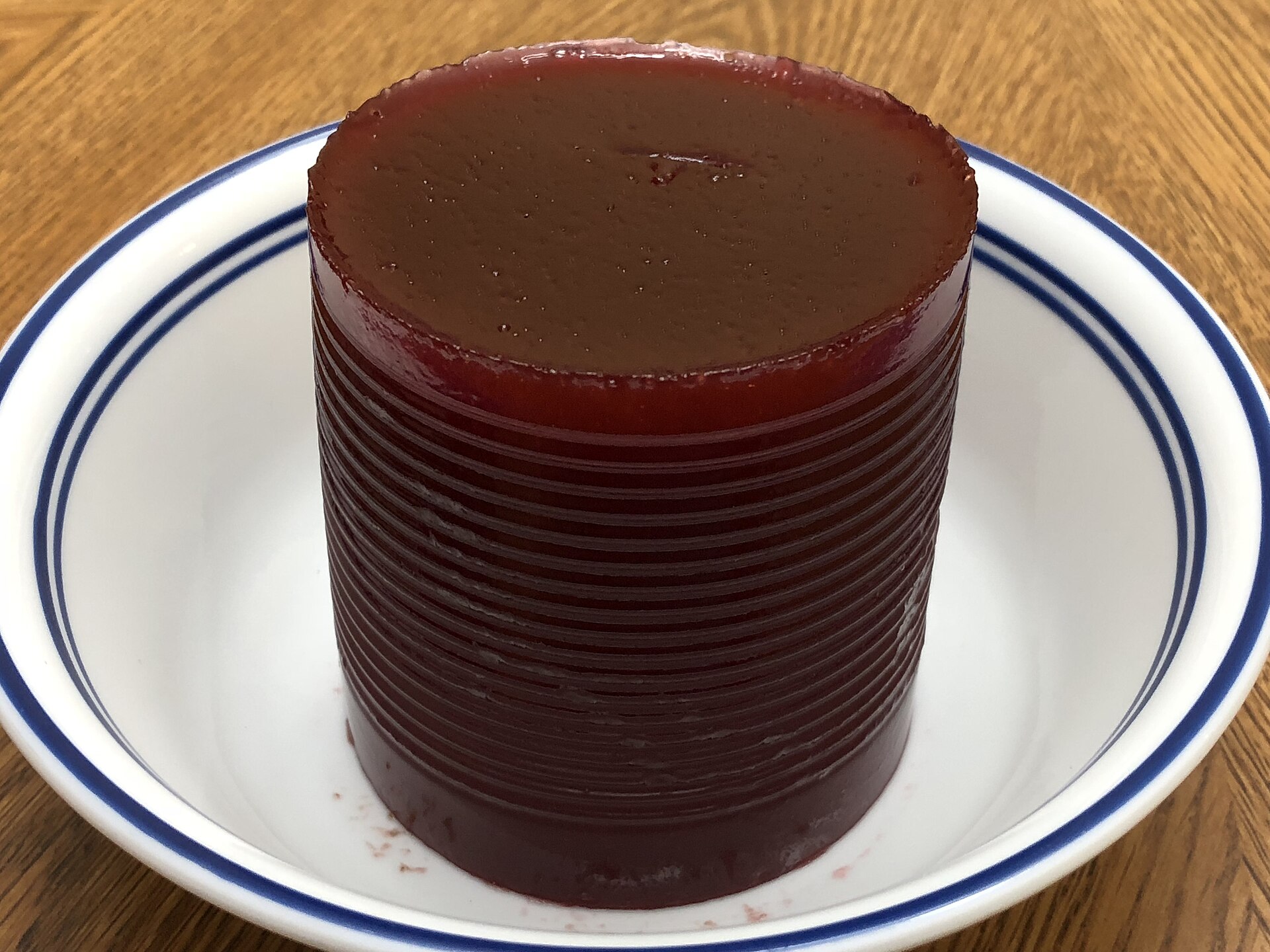
Every Thanksgiving, there’s a moment at the table that splits families down the middle. Someone opens a can, gives it a shake, and a perfect ridged cylinder of cranberry sauce slides out onto a plate with a soft plop.
Some people love it. Some people would never touch it. But canned jellied cranberry sauce has been part of the American holiday table for more than 80 years, and its story is a lot more interesting than its reputation.
A Grower With a Short Season
If you enjoy this kind of thing, Frenz Hub’s 20 Odd American Traditions That Confuse the Rest of the World is worth a read too. Cranberries have a very short harvest window in the fall, and fresh berries don’t keep for long. That was a problem for Marcus Urann, a lawyer-turned-cranberry grower in Massachusetts. In 1912, he began canning cranberry sauce so the fruit could be sold well beyond the harvest season.
In 1930, Urann joined with fellow growers John Makepeace and Elizabeth Lee to form the cooperative that would later become Ocean Spray. According to Smithsonian magazine, the jellied cranberry “log” we know today became available nationwide in 1941.
That shelf-stable can changed everything. Cranberry sauce no longer depended on finding fresh berries in November. It could sit in the pantry until the holiday arrived. We also covered this angle in Costco’s Giant Pumpkin Pie Is Back for the Holidays, and It Still Costs Under $6.
How Big Is the Cranberry Can Tradition?
Frenz Hub took a similar look at everyday life in Skip the Checked-Bag Fee This Thanksgiving: 5 Carry-On Suitcases Worth Packing. Bigger than you might think. Ocean Spray said it sold 85 million cans of cranberry sauce in 2024, and that its sauce was served at holiday meals in more than 27 million households, according to the Bangor Daily News. Smithsonian magazine has reported that Americans eat more than 5 million gallons of jellied cranberry sauce each holiday season.
Ocean Spray is still a farmer-owned cooperative. New England Today reports that it represents about 700 growers.
Why the Can Looks Upside Down
If you’ve ever noticed that the label on a can of jellied cranberry sauce seems to be on upside down, you’re not imagining it. The can is designed with the rounded end on top. Open the flat end, and a small pocket of air at the other end helps the sauce slide out in one piece. For a related read, Frenz Hub has 16 Delicious International Desserts You Deserve to Know About.
Where the Cranberries Come From
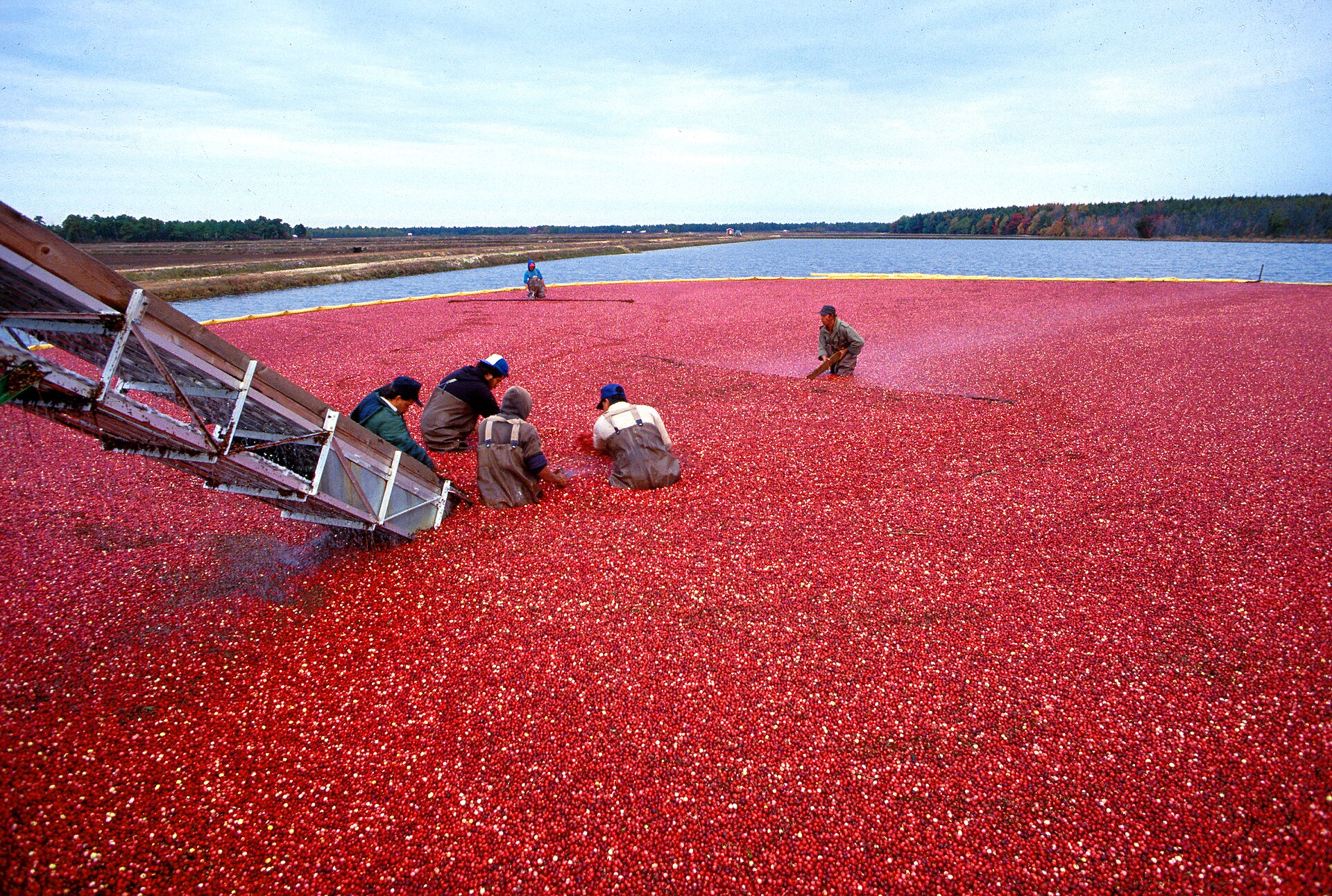
It pairs well with our earlier story, ALDI’s Thanksgiving Basket Feeds 10 for Under $39 This Year. Cranberries grow on low vines in sandy bogs. At harvest, many growers flood the bogs so the ripe berries float to the surface, where they can be corralled and collected. Those floating red fields have become one of the most recognizable sights of fall in cranberry country, from Massachusetts to Wisconsin.
Want to Try Homemade? It Takes 10 Minutes
If you’re on Team Homemade, or just curious, cranberry sauce from scratch is easier than most people think.
- Combine 1 cup sugar and 1 cup water in a saucepan and bring to a boil.
- Add one 12-ounce bag of fresh cranberries, rinsed.
- Return to a boil, then lower the heat and simmer for about 10 minutes, until most of the berries have popped.
- Cool, then refrigerate. It thickens as it chills.
For a twist, add a strip of orange zest or a pinch of cinnamon while it simmers.
A Tradition Worth Keeping (Either Way)
Whether you slice it into neat rounds or keep the ridges on proudly, canned cranberry sauce has earned its spot as a holiday classic. It’s one of those dishes that says “Thanksgiving” just by showing up.