8 Foods You Should Think Twice About Ordering at a Chinese Restaurant, According to Top Chefs
Chinese takeout is a favorite comfort food for millions of Americans. From crispy duck and sweet-and-sour chicken to steaming dumplings and fried rice, the choices can make ordering dinner surprisingly difficult. But according to experienced Chinese chefs, some popular dishes deserve a closer look before you spend your money.
Cheong Yew, co-founder of London’s Cantonese restaurant group Three Uncles, and Emily Tang, owner of Banquet 88, have shared warning signs they look for when evaluating Chinese restaurant food. Their advice highlights issues like rubbery roast duck, soggy fried rice, disappointing dumplings, and sauces that overwhelm everything else.
Their message isn’t that you should never eat these dishes. Instead, it’s that a popular menu item isn’t automatically good, and knowing what to look for can help customers spot quality.
Roast Duck With Rubbery Skin and Dry Meat
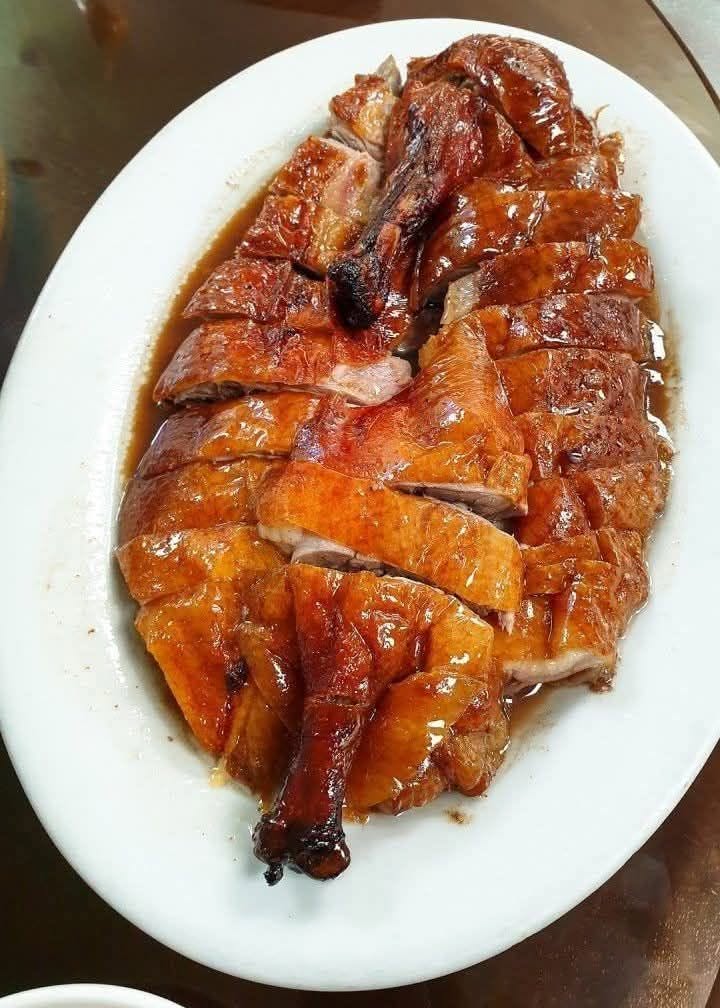
Roast duck is one of the most recognizable dishes in Cantonese cooking. When prepared properly, it offers flavorful meat beneath beautifully roasted skin.
But chefs warn that preparation makes a huge difference.
Cheong Yew explains that Cantonese roast duck requires considerable attention before it reaches the oven. The cooking process must render the fat beneath the skin without drying out the meat.
If the finished duck has rubbery skin, excessive unrendered fat, or tough meat, something may have gone wrong during preparation.
Emily Tang also considers leathery or soggy skin a warning sign. It may indicate that the duck has been sitting too long or hasn’t been reheated in a way that preserves its texture.
Neither chef suggests avoiding roast duck altogether. In fact, Three Uncles specializes in Cantonese roasted meats.
The lesson is to choose restaurants that take their roasting seriously rather than assuming every version of this classic dish will be equally satisfying.
Prawn Dumplings With Mushy Fillings
Prawn dumplings, commonly called har gow, are a beloved part of Cantonese dim sum.
Their delicate translucent wrappers and juicy shrimp fillings make them a favorite at many Chinese restaurants.
But Tang says texture is one of the best ways to judge whether they’re properly made.
The shrimp filling should have a pleasant springiness rather than feeling soft and mushy. The wrapper should also be delicate enough to complement the filling without becoming unpleasantly thick or sticky.
When the ingredients and preparation are handled carefully, the dumpling delivers contrasting textures in every bite.
Poorly executed versions can become disappointing because there are relatively few ingredients to hide mistakes.
Diners ordering dim sum for the first time may want to ask which dumplings are prepared in-house.
It’s also worth asking restaurant staff about their most popular steamed specialties instead of automatically selecting the familiar options.
Sweet-and-Sour Chicken Drowning in Sauce
Sweet-and-sour chicken is one of the most recognizable dishes on Chinese-American restaurant menus.
Its appeal is easy to understand. Crispy chicken, a tangy sauce, and a combination of sweet and savory flavors make for a satisfying meal.
However, Tang argues that balance is essential.
The sauce shouldn’t be excessively thick, overwhelmingly sweet, or so sour that it dominates the other ingredients.
Likewise, the chicken should stay tender beneath its crispy coating.
When the batter is unusually hard, or the meat is dry, the dish may have been cooked too aggressively.
Cheong Yew also cautions against dishes where sweetness overwhelms the ingredients, explaining that sticky sauces represent only one small part of the much broader world of Chinese cooking.
Rather than automatically avoiding sweet-and-sour chicken, check whether the restaurant balances the sauce, coating, and chicken.
A good version should offer more than a mouthful of sugar-heavy glaze.
Fried Rice That’s Greasy or Soggy
Fried rice seems simple enough that almost any kitchen can make it.
After all, the basic ingredients often include cooked rice, vegetables, seasonings, and sometimes eggs or meat.
But Tang believes fried rice can reveal a great deal about a restaurant’s cooking skills.
A well-prepared version should have distinct grains of rice and evenly distributed ingredients.
It shouldn’t resemble a wet, clumpy mixture swimming in oil.
The cooking process involves managing moisture and heat so the rice develops flavor without becoming mushy.
Tang considers this relatively simple dish an effective test of a kitchen’s attention to detail.
If a restaurant struggles to prepare its fried rice properly, customers may wonder how carefully more complicated dishes are being handled.
The next time you order fried rice, look beyond the portion size and consider its texture, ingredient distribution, and overall flavor.
Char Siu Pork That Looks Better Than It Tastes
Char siu, the famous Cantonese barbecued pork, is often recognized by its glossy reddish exterior.
The appearance can be impressive, particularly when the pork is displayed behind a restaurant window.
But Cheong Yew warns that bright coloring isn’t necessarily evidence of excellent cooking.
What matters more is the meat’s preparation and the flavor created during roasting.
Good char siu should have caramelized edges, a glossy finish, and meat that remains tender and juicy.
The sweetness should complement the pork’s savory character rather than disguise it.
A particularly bright-red piece of pork may look appealing, but appearances alone cannot guarantee flavor or texture.
If the meat tastes dry or bland, its attractive color doesn’t make up for the disappointment.
For diners unfamiliar with char siu, a restaurant specializing in Cantonese roasted meats is a good place to start.
Related:Stop Adding These 7 Foods to Your Plate at Any Chinese Buffet
Dim Sum From Restaurants Offering Almost No Variety
Dim sum is more than one dish. It’s a dining style featuring a selection of small plates, often including dumplings, steamed buns, and other specialties.
That’s why Tang pays attention to how many dim sum dishes a restaurant offers.
She suggests that a menu containing only three or four dim sum selections may be worth questioning, especially when a restaurant presents itself as a specialist.
Preparing dim sum from scratch requires particular techniques and equipment.
A restaurant with a dedicated dim sum operation may be better positioned to offer a broader assortment of steamed and other delicately prepared dishes.
However, a limited menu doesn’t automatically mean the food is poor.
Some small restaurants deliberately specialize in just a few items and prepare them exceptionally well.
The practical approach is to ask whether the dumplings are made on-site and which dishes the kitchen specializes in.
Related:6 Chinese Food Etiquette Rules You Should Never Ignore
Bao Buns With Thick Dough and Very Little Filling
Steamed bao buns can look irresistible when they arrive at the table.
Their soft, fluffy appearance promises a satisfying combination of dough and savory filling.
But Cheong Yew says the balance between those two elements matters.
A good bao should have light, tender dough surrounding a generous, well-seasoned filling.
A disappointing version may contain so much dough that the filling becomes almost an afterthought.
The bun shouldn’t feel unusually dense or heavy.
Instead, the dough should complement the filling without overwhelming it.
Customers ordering pork-filled bao, for example, should expect to taste the pork rather than mostly plain bread.
This is one reason a large-looking bun isn’t necessarily a better purchase than a smaller, carefully prepared one.
Menu Descriptions That Don’t Explain What You’re Buying
Sometimes the biggest warning sign isn’t how the food looks. It’s the wording on the menu.
Tang advises diners to watch for vague descriptions that don’t name key ingredients.
For example, a dish advertised simply as steamed fish may leave customers wondering which species is being served.
Likewise, a plate described as mixed vegetables may contain a combination that differs from what the customer expects.
Neither description automatically indicates poor food.
However, customers should be able to ask questions and receive clear answers about what they’re ordering.
When a restaurant can explain its ingredients and preparation methods, diners can make more informed decisions.
This is particularly helpful for people trying unfamiliar regional dishes or avoiding particular ingredients.
A knowledgeable employee who can recommend specialties is often one of a restaurant’s most useful resources.
The Biggest Mistake Might Be Ordering the Same Thing Every Time
Chinese cuisine includes an enormous range of regional styles, cooking techniques, and ingredients.
Yet many American diners order the same familiar dishes each time they visit a Chinese restaurant.
There’s nothing wrong with enjoying General Tso’s chicken, fried rice, or sweet-and-sour pork. Chinese-American cuisine has its own history and culinary traditions, and familiar dishes can be excellent when carefully prepared.
But exploring beyond the usual order can introduce customers to flavors and textures they might otherwise miss.
Sarah and Kaitlin Leung, authors of The Woks of Life, and Din Tai Fung corporate chef James Fu have also encouraged diners to embrace family-style ordering, where several dishes are shared around the table.
That approach lets everyone sample more of the menu instead of committing to a single entrée.
Ultimately, the chefs’ advice isn’t about declaring certain Chinese dishes universally bad. It’s about recognizing signs of careful cooking, balanced flavors, and good value.
A beautifully prepared plate of fried rice can be more enjoyable than an expensive specialty made carelessly. A simple dish executed well can reveal as much about a restaurant as its most elaborate offering.
Other Posts You Might Like:
. 10 Places So Terrible That Travelers Vowed Never to Return to Again