Inside America’s Emergency Plans: How the U.S. Government Prepares for Catastrophic Crises
Behind closed doors, the United States government maintains a massive network of emergency plans designed for the moments when ordinary systems are pushed to their limits.
For decades, federal agencies have prepared for scenarios most Americans hope will never happen, including devastating natural disasters, cyberattacks capable of disrupting critical infrastructure, future pandemics, terrorist threats, and events that could challenge the nation’s ability to function.
These plans are not signs that officials expect disaster to strike. They represent a basic principle of national security: a crisis does not wait for preparation. When an emergency unfolds, the difference between chaos and control often depends on the decisions made long before the first warning signs appear.
America’s emergency planning system stretches across government agencies, state and local authorities, private companies, and communities.
Organizations such as the Federal Emergency Management Agency (FEMA), the Department of Homeland Security, and other federal institutions spend years developing strategies designed to protect lives, maintain essential services, and keep the country operating during extraordinary disruptions.
From ensuring government continuity during catastrophic events to strengthening defenses against digital attacks and preparing for public health emergencies, these plans reveal how the nation approaches threats that could reshape daily life.
The goal is not to predict the next disaster. It is to make sure that when the unexpected happens, the United States is not starting from zero.
Keeping America Running During a Crisis
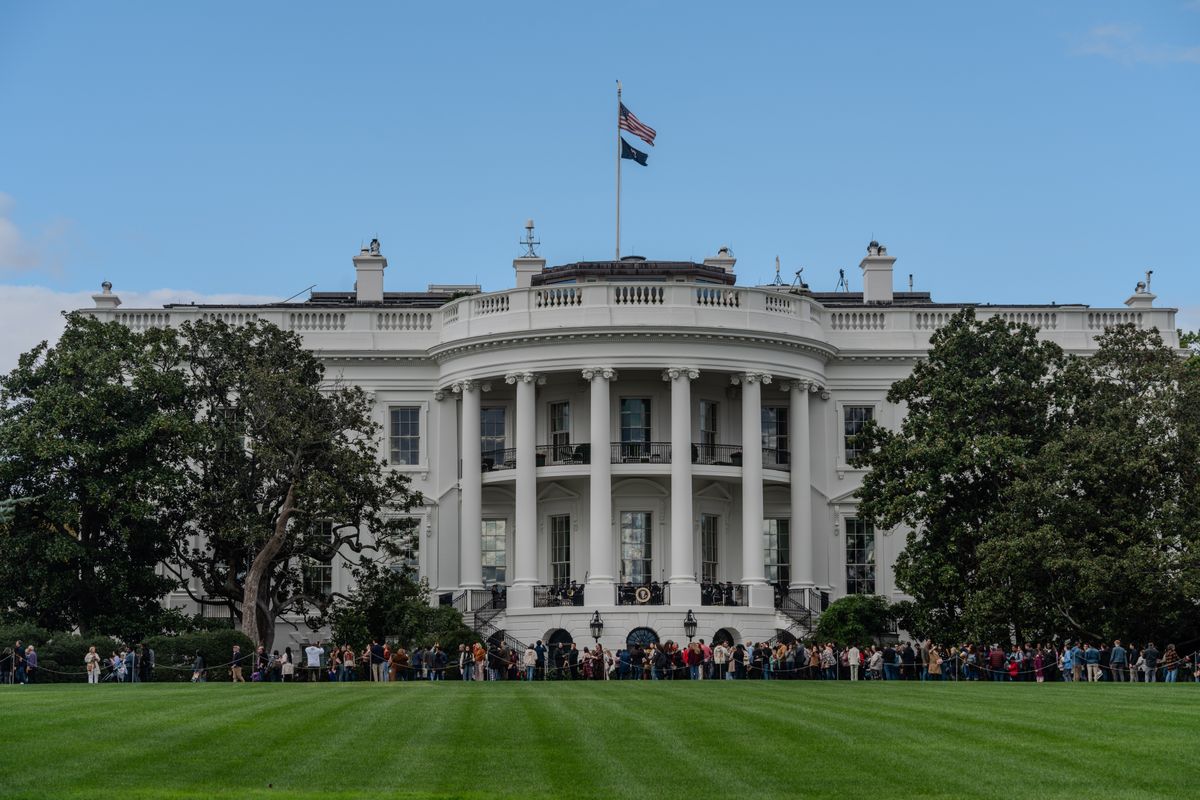
One of the most important emergency preparations involves ensuring that the U.S. government can continue operating under extreme conditions.
The United States has long maintained continuity plans designed to protect essential government functions if a catastrophic event affects Washington or other major institutions.
These plans involve identifying critical government responsibilities, protecting communication systems, and ensuring that key operations can continue even during severe disruptions.
The concept became especially important during the Cold War when officials worried about scenarios involving nuclear attacks, but it has since expanded to include modern threats.
Continuity planning does not mean the government expects a specific disaster to happen. Instead, it recognizes that national leadership must remain functional during emergencies.
A functioning government is considered essential because disasters require coordination between federal agencies, states, local governments, and emergency responders.
FEMA’s Role in Preparing for Disasters
FEMA is one of the most recognized agencies responsible for helping communities prepare for and recover from disasters.
The agency coordinates federal support during major emergencies, including hurricanes, floods, wildfires, earthquakes, and other disasters.
FEMA also provides preparedness resources for individuals and communities through programs that encourage people to create emergency plans, build supply kits, and understand local risks.
However, FEMA’s future role has become part of a broader debate over how disaster response should be managed.
A FEMA review council created during the Trump administration proposed significant changes, including shifting more responsibility for disaster preparation and recovery toward states and local governments.
Supporters argue that local control can make responses faster, while critics warn some communities may struggle without strong federal assistance.
The debate highlights a larger question: how should America balance federal support with local responsibility during major emergencies?
The Growing Threat of Cyberattacks and Infrastructure Failures
Modern emergency planning is no longer focused only on physical disasters. Cybersecurity has become one of the biggest concerns for governments because digital systems control many parts of modern life.
A major cyberattack could potentially affect financial systems, energy networks, transportation, communication systems, and government operations.
Preparing for these threats requires cooperation between government agencies and private companies because much of the nation’s infrastructure is privately owned.
Officials have increasingly focused on strengthening resilience, improving information sharing, and creating backup systems that can continue operating during disruptions.
A crisis in the digital world can create real-world consequences, which is why cybersecurity has become a major part of national preparedness strategies.
Pandemic Planning After COVID-19
The COVID-19 pandemic changed how governments view biological threats and emergency preparedness.
Before COVID-19, pandemic planning existed, but the global outbreak exposed challenges involving supply chains, medical resources, communication, and public health coordination.
Since then, governments have placed greater attention on improving readiness for future outbreaks. Preparation can involve maintaining medical supply reserves, improving disease monitoring systems, strengthening research capabilities, and developing response plans.
Biological threats remain one of the scenarios that governments study because outbreaks can spread quickly and affect multiple areas at once.
The experience of COVID-19 showed that a crisis does not need to involve physical destruction to create major disruptions.
Natural Disasters Remain One of America’s Biggest Challenges
Extreme weather events continue to test America’s emergency response systems. Hurricanes, wildfires, floods, and severe storms have become major challenges for communities across the country.
Recent disasters have increased discussions about whether emergency systems have enough resources to handle larger and more frequent events.
Preparedness officials emphasize the importance of planning before disasters happen because response efforts become more difficult once infrastructure is already damaged.
The United States continues to invest in emergency planning because disasters can affect millions of people within a short period.
From evacuation plans to emergency communications, preparation often determines how quickly communities recover.
The Hidden Side of Emergency Preparation
Many emergency plans remain out of public view because they involve sensitive government operations and national security concerns.
However, the existence of these plans does not mean officials expect a disaster to happen tomorrow. Instead, preparation works like insurance. People buy insurance hoping they never need it, but they understand its value when something goes wrong.
Governments operate under a similar principle. Planning for unlikely but serious events helps reduce confusion, improve coordination, and protect essential services.
What Americans Can Learn From Government Preparedness Plans
Emergency planning is not only a government responsibility. Individuals and families also play an important role. Federal preparedness programs encourage people to have basic emergency supplies, communication plans, and knowledge of local risks.
Simple steps can make a major difference during disasters:
- Keeping emergency supplies available
- Knowing evacuation routes
- Having important documents stored safely
- Creating family communication plans
- Staying informed through reliable alerts
Government plans can provide support, but personal preparation remains an important part of disaster resilience.
America’s Plan for the Worst Is About Being Ready, Not Expecting Disaster
The U.S. government’s emergency plans reveal how seriously officials take the possibility of major disruptions. From maintaining government operations to preparing for cyber threats, pandemics, and natural disasters, these systems exist because history has shown that unexpected events can happen.
The purpose of emergency planning is not to create fear. It is to create readiness. The biggest lesson behind America’s worst-case planning is simple: a country is strongest when it prepares before a crisis arrives, not after it begins.