Mayo or Butter? Which One Makes the Best Golden Grilled Cheese?
What if the secret to a perfectly golden grilled cheese isn’t butter? A 2026 Serious Eats kitchen test found that mayonnaise produced more evenly browned, consistently crisp sandwiches, giving the refrigerator staple a surprising advantage over traditional butter.
But golden color isn’t everything. Butter still has a strong case when flavor matters most, and recent kitchen comparisons suggest that combining the two might be the smartest move.
What the Butter vs. Mayo Tests Actually Revealed
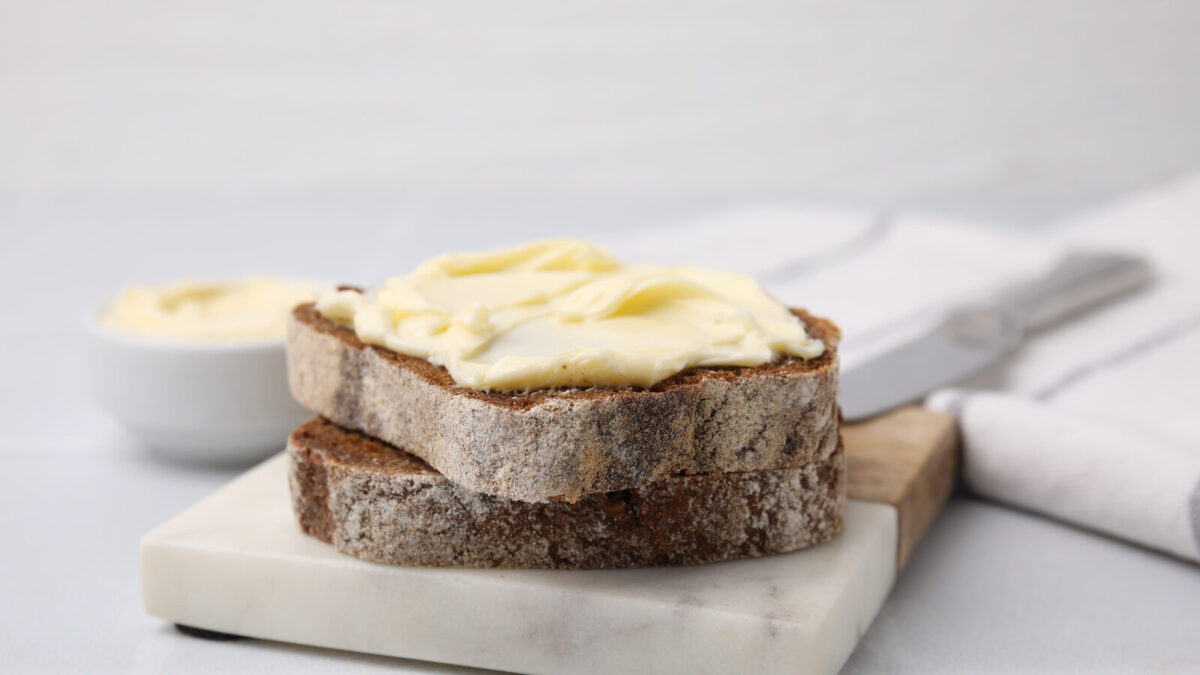
The results weren’t completely one-sided. In a Tasting Table comparison, cooks prepared two sandwiches using the same bread, American cheese, and skillet temperature. Both became golden and crispy, but the mayonnaise version browned more evenly, while taste testers preferred the flavor of butter. The publication ultimately selected mayonnaise as its overall winner.
Mayonnaise had the advantage in browning. Serious Eats senior culinary editor Leah Colins conducted another side-by-side comparison using identical ingredients and equal amounts of softened butter and mayonnaise. The mayonnaise-coated sandwiches developed fewer unevenly browned areas, although the visual differences were relatively small. For anyone chasing that beautiful, golden finish, mayo won narrowly.
Butter delivered the familiar flavor. Tasting Table’s testers enjoyed butter’s rich, toasted character, even though mayonnaise performed better in other categories. The buttered sandwich also left less grease on their fingers. That’s a meaningful distinction because a beautiful sandwich isn’t necessarily everyone’s favorite sandwich.
Why This Matters for Everyday American Kitchens
Grilled cheese remains part of America’s cheese-loving food culture. USDA figures reported by Cheese Reporter show that U.S. natural cheese consumption averaged 39.9 pounds per person in 2024, compared with 40.2 pounds in 2023. Those figures cover natural cheese consumption generally, not grilled cheese sandwiches specifically. Still, they provide useful context for a country where cheese is a familiar grocery staple.
The ingredients are probably already familiar. Traditional grilled cheese requires little more than bread, cheese, and a spread for the outside. Switching from butter to mayonnaise doesn’t require a special kitchen tool or a complete recipe overhaul. That’s why this comparison matters when you’re making a quick lunch or simple dinner at home.
Convenience gives mayonnaise another advantage. Butter straight from the refrigerator can be difficult to spread across soft sandwich bread. Mayonnaise spreads easily while cold, making it simpler to cover the bread without tearing it. Serious Eats notes that even this coating helps mayonnaise perform consistently during cooking.
The Cooking Science Behind the Golden Crust
Smoke point makes a difference. Food scientist Bryan Quoc Le told Martha Stewart that mayonnaise can have a smoke point of 450°F, while butter generally ranges from about 325°F to 350°F. Those figures vary with the ingredients and preparation. Butter’s milk solids can scorch sooner, giving mayonnaise a practical advantage when browning bread.
The Maillard reaction creates the color. This reaction produces the browned surfaces and toasted flavors found in many cooked foods. Le explained that compounds in egg yolks can help accelerate browning reactions when mayonnaise is heated with bread. That helps explain why mayonnaise can produce an appealing golden crust without relying entirely on butter.
Both spreads bring different flavors. Butter contributes a familiar, rich taste, while mayonnaise can introduce a faint tang from its acidic ingredients. Interestingly, Serious Eats testers preferred mayonnaise’s subtle tang, while Tasting Table tasters favored butter. No universal winner emerges because the published comparisons reflect different people’s preferences.
Related: Why Food Experts Advise Against Adding Mayo to Tuna Sandwiches
What Professional Chefs Prefer
The butter loyalist. In an October 2026 EatingWell interview, Ziggy Gruber of Kenny & Ziggy’s New York Delicatessen Restaurant in Houston described his preference for salted, high-butterfat European butter. He particularly appreciates the browned bread and touch of salt that butter brings to grilled cheese. His approach shows why the traditional ingredient still has devoted supporters.
The mayonnaise supporter. Chef Kevin Tien of Washington, D.C.’s Moon Rabbit takes a different approach. He told EatingWell that he once surprised Fourth of July guests by preparing grilled cheese with mayonnaise on the outside. His preference supports what several published kitchen tests found: mayonnaise deserves serious consideration as a bread-toasting spread.
The combination approach. Martha Stewart’s test kitchen recommends mixing softened butter and mayonnaise 1-to-1 before spreading the mixture on the bread. Its 2025 grilled cheese recipe uses three tablespoons of each spread for four sandwiches. This approach aims to combine butter’s recognizable flavor with mayonnaise’s browning advantages.
How to Try the Comparison in Your Own Kitchen
Start with identical sandwiches. Use the same bread, cheese, and skillet for both versions. Spread softened butter on the outside of one sandwich and regular mayonnaise on the other. Keeping the remaining ingredients consistent makes it easier to judge the differences.
Keep the heat under control. Culinary educator Courtney Contos recommends a “low and slow” approach, according to EatingWell. She also covers the skillet to help the cheese melt as the bread cooks. A well-managed pan gives both butter and mayonnaise a fair chance to create a crisp exterior.
Look beyond the color. Compare the sandwiches for even browning, crispness, flavor, and any greasy residue. The published tests show that these characteristics don’t always favor the same ingredient. You might prefer mayonnaise for appearance while still enjoying butter’s familiar taste more.
Try the mixture as a third option. After comparing the individual spreads, make another sandwich using the equal-parts butter-and-mayonnaise method recommended by Martha Stewart’s test kitchen. This lets you judge whether the combination offers the qualities you liked best in the first two sandwiches.
The Final Verdict: Mayo Wins on Browning, but Butter Still Matters
The winner depends on what you value most. Published comparisons give mayonnaise a slight edge for consistent golden browning and easy spreading, while butter remains a favorite for its distinctive flavor. If you’re looking for a middle ground, Martha Stewart’s test kitchen backs the butter-and-mayo combination.
The takeaway? For your next grilled cheese, don’t automatically reach for the butter. Give mayonnaise a fair chance, or combine the two, and let your own taste buds settle the debate.
Remove the unrelated cheese-consumption statistics