Michigan Primaries Reveal New Tensions Inside Republicans and Democrats Ahead of 2026
Michigan’s latest primary elections delivered more than just a list of winners and losers. They exposed the growing fault lines shaping both the Republican and Democratic parties as candidates compete to define the future direction of American politics.
The results showed that internal battles within both parties are becoming just as important as the traditional fight between Republicans and Democrats. Across Michigan, voters sent signals about the issues, personalities and political strategies that could influence the 2026 midterm elections.
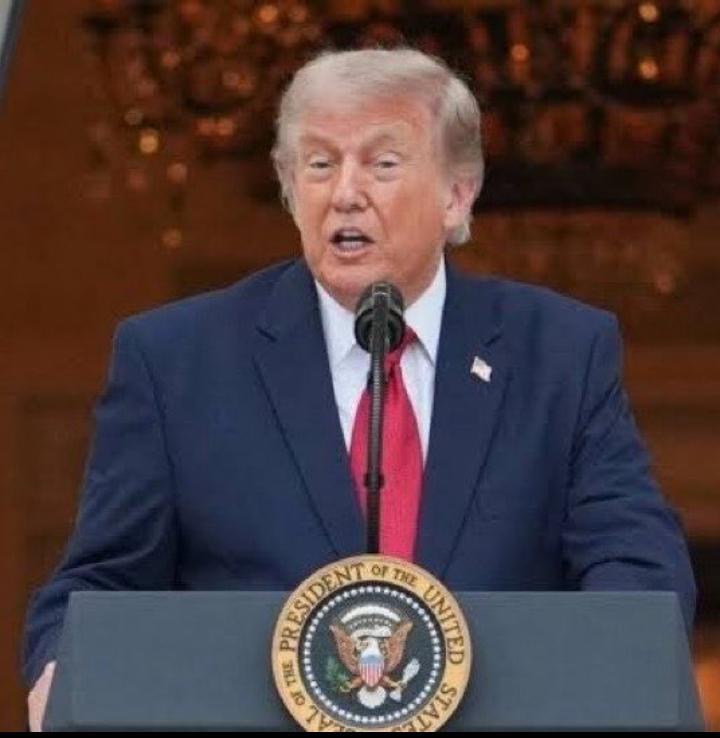
For Republicans, the results highlighted the continued influence of former President Donald Trump’s political movement while also revealing tensions over how closely candidates should align themselves with his agenda.
For Democrats, the primaries reflected a debate over whether the party should move toward a more progressive message or focus on rebuilding appeal among a broader group of voters.
Republicans Face a Battle Over Trump’s Political Legacy

Michigan Republicans entered the primaries facing a familiar question: how much influence should Trump’s movement have over the party’s future?
Candidates aligned closely with Trump’s approach found support from voters who remain energized by his policies on immigration, the economy and government reform. But the contests also showed that some Republicans are navigating a complicated political environment where loyalty to Trump can be both a strength and a challenge.
The state has become an important battleground for the Republican Party because of its diverse electorate. Michigan includes large suburban communities, rural areas and working-class voters who have shifted between parties in recent elections.
Republican strategists have viewed the state as a key test of whether Trump’s coalition can continue expanding beyond traditional conservative voters.
The primary results suggested that Trump’s influence remains powerful among Republican voters, but questions remain about whether candidates closely tied to his brand can succeed in competitive general elections.
Democratic Divisions Come Into Focus
Democrats faced their own internal debate during Michigan’s primaries. The party has struggled with questions about messaging, voter enthusiasm and how to balance progressive priorities with concerns from moderate and working-class voters.
Some Democratic candidates emphasized issues such as economic inequality, healthcare costs and climate policy. Others focused more heavily on practical concerns like jobs, public safety and affordability. Those differences reflect a larger national conversation within the Democratic Party about how to rebuild support after recent electoral challenges.
Michigan is especially important because it has historically been a state where economic concerns often shape political decisions. Manufacturing, labor issues, and the cost of living remain major concerns for many voters. The primary results provided clues about which messages may resonate as Democrats prepare for the broader 2026 election fight.
A State That Often Predicts National Trends
Michigan has earned a reputation as a political bellwether because it can reflect national shifts. In recent presidential elections, the state has moved between parties, highlighting changing voter priorities and shifting coalitions.
The state played a major role in Trump’s 2016 victory, when he became the first Republican presidential candidate to win Michigan in decades. Four years later, President Joe Biden won the state as Democrats regained support among key voter groups.
That political competitiveness has made Michigan a central focus for both parties. The primary results showed that neither party can take the state’s voters for granted. Republicans must maintain support among Trump’s base while attempting to expand their appeal. Democrats must energize their core voters while reconnecting with groups that have become harder to reach.
The 2026 Midterms Are Already Taking Shape
Although the general election is still months away, Michigan’s primaries offered an early preview of the political arguments likely to dominate the next campaign cycle.
Republicans are expected to focus heavily on immigration, inflation, government spending and cultural issues. Democrats are likely to emphasize economic concerns, healthcare and opposition to Republican policies they view as harmful.
But beneath those national debates is a deeper question facing both parties: who represents the future of their movement?
Republicans are still debating the long-term impact of Trump’s leadership. Democrats are still searching for the most effective way to connect with voters in a changing political landscape. Michigan’s primary results did not settle those debates. Instead, they highlighted them.
Voters Send Warning Signs to Party Leaders
The biggest takeaway from Michigan’s primaries may be that voters are demanding clarity. Political parties often assume they understand what motivates their supporters, but primary elections provide a direct look at what voters actually prioritize.
The results showed that enthusiasm, identity and loyalty remain powerful forces in modern politics. Candidates who can successfully connect with their party’s base may gain an advantage, but they will still face the challenge of winning over independent voters in a closely divided state.
Michigan’s political landscape remains competitive, unpredictable, and deeply influential. As the 2026 elections approach, both parties will be studying the results carefully. The winners may have secured nominations, but the larger battle over the future direction of American politics is only beginning.