Negative Effects Of Online Dating And How It Can Ruin Your Confidence
Online dating has become one of the most common ways people search for romance, but the emotional cost often hides behind the convenience. A dating app can make connections feel simple at first. We open a profile, swipe through options, match with someone interesting, and start a conversation without leaving the couch. That ease is exactly why so many people use these platforms. In the U.S., 30% of adults say they have used a dating site or app, and that number rises to 53% among adults ages 18 to 29
The problem is that online dating does not feel like ordinary dating for many users. It can turn romance into a loop of comparison, hope, silence, rejection, and another round of scrolling. We may enter the app looking for love, but we often leave feeling more judged, more replaceable, or more confused about what people actually want. The negative effects of online dating are not just about bad dates. They can affect self-esteem, trust, attention, emotional safety, and how we judge our own worth.
Online Dating Can Make Rejection Feel Constant

Rejection has always been part of dating, but online dating delivers it in sharper, more frequent doses. In traditional dating, rejection usually happens after a conversation, a date, or a clear social interaction. On dating apps, rejection can happen silently through no matches, unanswered messages, short replies, sudden unmatches, or conversations that fade without explanation. That silence can feel personal, even when it may have little to do with our actual value.
This creates a painful emotional pattern. We may start reading every pause as proof that we are not attractive, interesting, successful, or exciting enough. Over time, dating apps can train the mind to look for evidence of failure. A person may wake up, check the app, see no new messages, and begin the day already feeling unwanted. That is why online dating anxiety can feel so intense. The app is not only showing us potential partners. It is also giving us a daily scoreboard.
Choice Overload Can Make Commitment Harder
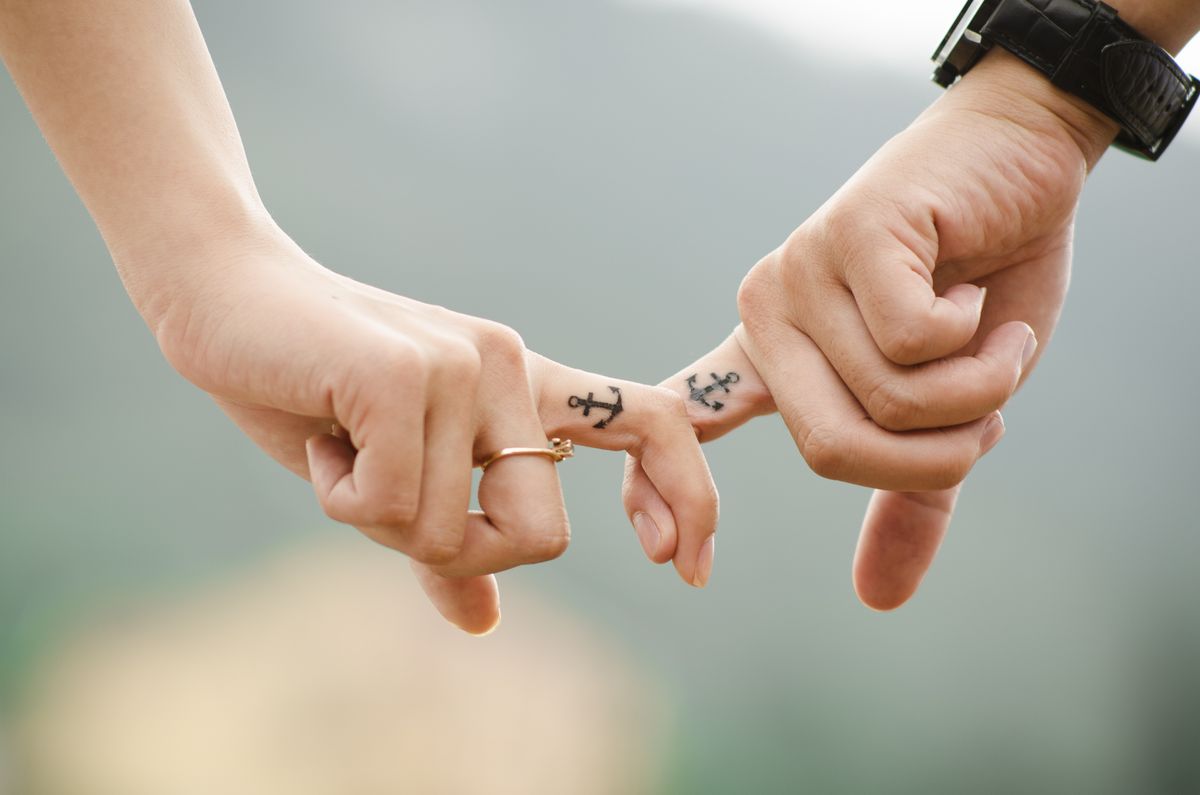
Online dating gives people access to more options than they could realistically meet offline. That sounds useful, but too many options can make each person feel less special. When we believe there may always be someone more attractive, funnier, richer, calmer, or more compatible one swipe away, we may struggle to invest properly in the person already in front of us.
Research on online dating choice overload found that participants were more likely to reject potential partners as they progressed through more profiles, with the likelihood of acceptance dropping by an average of 27% from the first to the last profile. The study suggests that online dating can slowly push people into a rejection mindset, where they close off rather than becoming more open to connection.
This is one of the most damaging psychological effects of online dating because it changes how we evaluate people. Instead of asking, “Could this person be good for me?” we may begin asking, “Could I do better?” That mindset turns dating into shopping. It rewards fast judgment and punishes patience. Real compatibility often needs time, repeated contact, emotional honesty, and ordinary moments, but dating apps can make ordinary moments feel boring.
Dating App Burnout Can Make Romance Feel Like Work
Dating app burnout happens when the search for connection becomes emotionally exhausting. A person may feel tired of starting the same conversation, answering the same questions, dealing with low-effort replies, planning dates that go nowhere, or being disappointed by people who seemed promising online. At that point, dating no longer feels exciting. It feels like unpaid emotional labor.
A longitudinal study of active single dating app users found that emotional exhaustion and feelings of inefficacy increased over time. The researchers also found that depression, anxiety, loneliness, and problematic dating app use predicted higher levels of burnout. This matters because burnout can make people numb. We may stop feeling hopeful, stop trying to communicate warmly, or begin treating every new match as another likely disappointment.
This is where many users start deleting and reinstalling apps in cycles. They leave because they are drained, then return because they still want connection. That cycle can feel embarrassing, but it is very common. The app promises possibilities, yet the process often demands more energy than people expect. Without clear boundaries, the search for love can begin to feel like a second job with no guaranteed reward.
Swipe Culture Can Damage Self-Esteem and Body Confidence
Online dating places a heavy weight on photos. Even thoughtful prompts and bios often come second to the first image. That visual-first structure can make users feel as though their faces, bodies, clothes, heights, weights, ages, or perceived status are being judged in seconds. For people already struggling with confidence, this can make dating apps feel like a harsh mirror.
The emotional danger is subtle. We may begin editing our pictures more heavily, hiding normal features, comparing ourselves to strangers, or choosing photos that perform well rather than those that feel honest. A profile can become less of an introduction and more of a performance. The longer that performance continues, the easier it becomes to confuse attention with worth.
This can also affect people who receive many matches. Attention may feel validating at first, but it can create pressure to stay desirable. If matches slow down, confidence may fall with them. That is one of the quiet negative effects of online dating. It can make self-worth depend on an algorithm, a photo, or a stranger’s split-second reaction.
Ghosting and Breadcrumbing Create Emotional Whiplash
Ghosting hurts because it removes closure. One day the conversation feels warm, playful, and promising. The next day, the person disappears without explanation. Breadcrumbing can be even more confusing because the person gives just enough attention to keep hope alive, but not enough effort to build a real connection.
A study of Spanish adults ages 18 to 40 found that roughly 2 in 10 participants had experienced or initiated ghosting in the previous year, while slightly more than 3 in 10 had experienced or initiated breadcrumbing. The same study linked these behaviors with online dating app use, short-term relationships, and online surveillance practices.
These patterns can train people to expect inconsistency. We may start compulsively checking messages, rereading old conversations, questioning what we did wrong, or pulling back emotionally before anyone has a chance to leave. Over time, ghosting and breadcrumbing can make vulnerability feel unsafe. A person who has been ignored too many times may become guarded even with someone who is genuinely interested.
Fake Profiles and Romance Scams Can Break Trust
Online dating requires trust, but the platforms also create space for deception. Fake profiles, catfishing, exaggerated identities, and romance scams can make users feel suspicious before a real connection even begins. Once someone has been misled, it becomes harder to relax into future conversations. Every compliment may sound rehearsed. Every delay in a meeting may look suspicious. Every emotional story may feel like a trap.
The Federal Trade Commission reported 64,003 romance scam reports in 2023, with reported losses totaling $1.14 billion and a median loss of $2,000 per person. The Pew Research Center also found that 52% of Americans who had used a dating site or app said they had encountered someone they believed was trying to scam them.
This is why safety is part of emotional health in online dating. We cannot build healthy intimacy in an environment where we feel constantly exposed or manipulated. A good match should not rush trust, request money, avoid video calls, pressure private communication too quickly, or punish reasonable caution. Trust grows through consistency, not urgency.
Harassment and Unwanted Messages Make Dating Feel Unsafe
For many users, online dating is not just tiring; it’s also frustrating. It can feel unsafe. Unwanted sexual messages, repeated contact after rejection, offensive language, and threats can make the app feel less like a dating space and more like a place where boundaries are tested. That emotional weight can be especially heavy for women and LGBTQ users.
Pew Research Center found that 38% of adults who had used a dating site or app had received unwanted sexually explicit messages or images, 30% had someone continue contacting them after they said they were not interested, 24% had been called an offensive name, and 6% had been threatened with physical harm. Among women under 50 who had used dating platforms, 56% reported receiving unwanted sexually explicit messages or images.
These experiences can change how people date. We may become more defensive, slower to respond, less willing to meet, or more likely to assume bad intent. That is not being dramatic. It is the mind trying to protect itself. Online dating platforms may offer access, but access without safety can become emotionally expensive.
Gamified Matching Can Encourage Compulsive Checking
Dating apps are designed to keep users engaged. Swipes, likes, matches, boosts, read receipts, profile views, and notifications can create a loop that feels exciting at first and restless later. We check because something might be waiting. We return because the next swipe could be better. We stay longer because the app gives just enough reward to keep hope moving.
This pattern can make online dating feel less like an intentional connection and more like a habit. A user may check the app during work, before bed, after waking up, during meals, or immediately after a disappointing conversation. The app becomes a mood regulator. If there is a match, confidence rises. If there is silence, confidence drops.
That loop can also make people less present offline. We may sit with friends while checking messages from strangers. We may go on one date while wondering about another match. We may stop noticing real-world opportunities because the phone feels easier, safer, and more controllable. The cost is attention, and attention is one of the first ingredients of real intimacy.
Surface-Level Profiles Can Lead to Shallow Relationship Patterns
Most dating profiles are small windows into complex people. A few photos, a job title, a short bio, a joke, a height, a location, and a handful of prompts cannot capture someone’s emotional maturity, kindness, conflict style, generosity, patience, or long-term compatibility. Yet we often make quick decisions based on exactly those limited details.
This can create shallow dating habits. We may reject someone because their photos are not polished, their prompt is not clever, or their profile does not create instant chemistry. We may chase people who look exciting online but do not communicate well offline. We may mistake profile appeal for relationship potential.
Real attraction matters, but online dating can overfeed instant attraction while underfeeding deeper judgment. A person can look perfect in a profile and still be emotionally unavailable. Another person can have an ordinary profile and become deeply attractive through conversation, humor, consistency, and shared values. The challenge is that swipe culture often moves too fast to find out.
Online Dating Can Blur the Line Between Hope and Obsession
Online dating works because hope is powerful. One match can make the whole process feel worth it. One good conversation can bring back excitement after weeks of disappointment. One promising date can make someone believe the app is finally working. Hope is not the problem. The problem starts when hope becomes tied to constant monitoring.
We may begin checking whether someone viewed our profile, whether they are online, whether they changed a photo, whether they replied to someone else, or whether they unmatched. That kind of monitoring can create anxiety before a relationship even exists. It makes dating feel like detective work instead of discovery.
This is especially damaging for people with anxious attachment patterns. Online dating can offer just enough uncertainty to activate fear. Delayed replies, vague intentions, and multiple options can make the mind search for clues. Without firm boundaries, a casual app connection can take up more emotional space than it deserves.
Why Online Dating Still Works for Some People
Online dating is not automatically harmful. Many people meet loving partners through apps and dating sites. Pew Research Center found that 10% of partnered U.S. adults met their current spouse or partner on a dating site or app, and that share rises to one in five among partnered adults ages 18 to 29.
The difference often comes down to how the app is used. Healthy online dating is intentional, time-limited, honest, and grounded in real-life behavior. Unhealthy online dating is compulsive, approval-seeking, vague, and driven by fear of missing out. We do not need to treat dating apps as villains. We need to treat them as tools that require emotional boundaries.
Signs Online Dating Is Hurting Your Mental Health
Online dating may be affecting your mental health if you feel worse after using the app than before opening it. It may also be a problem if you check messages compulsively, compare yourself harshly with others, feel anxious when someone doesn’t reply, or keep chasing matches who put very little effort into the relationship. These signs do not mean you are weak. They mean the process is taking more than it is giving.
Another warning sign is emotional numbness. If every conversation feels boring, every profile feels disposable, or every date feels like a chore, burnout may already be present. Dating requires openness, and openness becomes difficult when the mind is exhausted. At that stage, forcing yourself to keep swiping usually makes things worse.
A healthier reset begins with honesty. We can ask ourselves whether we are using the app to find connection or to soothe loneliness. We can ask whether we are choosing people based on values or chasing validation from people who seem hard to get. We can ask whether our current dating behavior supports the kind of relationship we actually want.
Final Takeaway
The psychological effects of online dating are real because dating apps do more than introduce people. They shape attention, choice, rejection, confidence, trust, and emotional energy. Used carelessly, they can make love feel like a marketplace where everyone is replaceable. Used carefully, they can still help people meet partners they may never have crossed paths with offline.
The healthiest approach is not to fear online dating, but to use it with stronger boundaries. We should protect our confidence before chasing connection, watch for patterns that drain us, and remember that a profile is only a small doorway into a much larger human story. A match can start a conversation, but it cannot prove our worth.