Netflix’s ‘Gone With the Wind’ Synopsis Raises New Questions About Price, Politics and Cultural Control
Netflix has transformed an unavailable movie into a highly visible argument about history, corporate influence, and consumer trust. Netflix’s Gone with the Wind synopsis does not describe Scarlett O’Hara, Rhett Butler, or the collapse of the Southern plantation system. Instead, it labels the 1939 film as an American Civil War epic “known for its racism” and directs visitors toward Black Lives Matter programming.
That wording has triggered boycott calls and accusations that Netflix has replaced a plot summary with a political judgment. Supporters believe the description acknowledges racial stereotypes that modern audiences should not ignore. Critics argue that the company has reduced a complex and historically important production to one disputed feature.
The dispute extends far beyond a single sentence on a streaming page. It highlights Netflix’s rising prices, its inconsistent editorial standards and its growing influence over how older entertainment enters public memory. When a platform controls what viewers see before they watch a film, even a short synopsis can carry significant cultural power.
The Movie Is Missing, but Netflix’s Judgment Remains

The first contradiction appears before viewers even reach Netflix’s synopsis of Gone with the Wind. In many markets, the platform states that the film is not available to stream. Netflix maintains the title page; however, it includes its cast, genre labels, and a controversial description.
That situation raises a simple question. Why is Netflix offering a forceful interpretation of a film it does not currently provide? The page cannot help customers watch the movie, yet it still tells them which part of the film should define its reputation.
Streaming platforms often retain pages for titles that have left their libraries. These listings may help search engines, preserve catalog information, or guide users toward similar content. Yet this page functions less like a viewing tool and more like an editorial statement attached to an inaccessible product.
Netflix has not publicly identified when it added the wording. It has also not explained who approved the description or whether historians reviewed it. That absence of transparency makes the message appear detached from any clear editorial process.
The page may reflect an earlier licensing period or a corporate decision made during a different cultural moment. Without context, viewers cannot know whether Netflix still actively supports the wording or simply failed to review it. Either explanation raises concerns about editorial care.
Netflix is therefore assuming the authority to define the film without accepting visible responsibility for the definition. The company does not provide the movie, a detailed essay, or a named expert. It offers only a short verdict with no explanation of how it reached that conclusion.
Higher Subscription Prices Make the Failure Harder to Ignore

The controversy comes as Netflix customers continue paying increasingly high monthly fees. In the United States, the company’s Premium plan costs nearly $27 each month. That places the annual cost above $320 before taxes or added member charges.
Netflix’s synopsis of Gone with the Wind matters more in that financial context. Subscribers are not receiving a free educational archive or a public museum service. They are paying for a commercial entertainment platform that should provide useful and accurate information.
A basic synopsis should explain the central characters, conflict, and setting. Netflix’s description does none of those things. It offers an ideological frame but fails to describe what occurs during the film’s nearly four-hour running time.
The problem is not simply that Netflix criticizes the movie. The platform could describe the plot while also acknowledging the romanticized portrayal of slavery. Instead, it gives customers less information while asking them to pay more.
Consumers may not cancel their subscriptions because of a single catalog page. However, small frustrations often take on greater importance when monthly costs rise. A politically charged description can become another symbol of a service that appears more expensive and less responsive.
The boycott calls therefore reflect more than anger about an old movie. They also reveal broader dissatisfaction with streaming bills, advertisements, and shifting content libraries. When customers already question value, an avoidable cultural dispute can deepen existing resentment.
A Synopsis That Refuses to Describe the Story
At its core, Gone with the Wind follows Scarlett O’Hara, the daughter of a wealthy Georgia plantation owner. The Civil War destroys the social order that protects her and places her family home at risk. Scarlett responds with determination, manipulation, and an increasingly ruthless instinct for survival.
Her turbulent relationship with Rhett Butler drives much of the film’s emotional conflict. Rhett recognizes Scarlett’s ambition and selfishness, while Scarlett remains fixated on Ashley Wilkes. Their marriage eventually collapses under resentment, grief, and emotional dishonesty.
None of those elements appear in Netflix’s Gone with the Wind synopsis. A viewer unfamiliar with the movie would not learn the name of its central character. The description removes the narrative and leaves only the platform’s interpretation.
That choice weakens the argument for responsible historical context. Context should deepen a viewer’s understanding rather than replace the subject under discussion. A warning about racist depictions becomes more meaningful when it accompanies an accurate account of the story.
Netflix could have explained that Scarlett struggles to preserve Tara during the Civil War and Reconstruction. It could then have noted that the film romanticizes plantation life and stereotypes Black characters. Such wording would inform viewers without concealing either the plot or the controversy.
Instead, Netflix presents a verdict without analysis. The result is not a balanced warning or an educational summary. It is an incomplete description that invites outrage from critics while offering little substance to supporters.
Netflix Uses More Nuance for Other Racially Charged Films

Netflix’s treatment of other films shows that the company can address racism without erasing a storyline. Its descriptions often identify characters, settings, and major conflicts before mentioning social themes. That approach gives viewers enough information to understand both the narrative and its cultural context.
For example, Netflix’s description of Green Book explains that a Black pianist hires an Italian American driver for a tour through the segregated South. The synopsis introduces the characters and their journey while acknowledging the racial conditions that shape their experiences. It does not reduce the film to the single phrase “known for racism.”
The same pattern appears in descriptions of documentaries about civil rights, segregation, and racial violence. Netflix usually explains who appears in the production and what questions the work examines. That makes Netflix’s Gone with the Wind synopsis look unusually blunt.
This inconsistency creates suspicion about the company’s standards. If Netflix can write thoughtful summaries for other controversial works, why does it abandon that approach here? The difference appears deliberate, careless, or influenced by political pressure.
The company may believe that Gone with the Wind requires stronger language because of its long history of criticism. That position would still benefit from an explanation. Without stated standards, viewers are left to guess why one film receives context while another receives condemnation.
Consistency matters because Netflix operates at a global scale. Its editorial decisions reach audiences with varying levels of historical knowledge and political assumptions. Uneven treatment can make cultural guidance look selective rather than principled.
Serious History Requires More Than a Search Prompt
Netflix directs visitors to search for Black Lives Matter content. Yet Netflix’s Gone with the Wind synopsis does not explain slavery, Reconstruction or the film’s connection to Lost Cause mythology. It also omits the criticism Black journalists and activists raised during the film’s original release.
The direction, therefore, resembles a slogan rather than a historical lesson. It tells viewers where Netflix wants their attention to move, but it does not explain why. A major cultural work deserves more than an instruction placed beneath a moral label.
The film’s racial problems are extensive and well documented. It portrays plantation society through nostalgia and gives little attention to the brutality sustaining that world. Its Black characters often appear through stereotypes shaped by the limitations of 1930s Hollywood.
However, historical analysis should identify those problems with precision. It should explain how the film reflects the era in which it was produced and why its imagery still matters. Netflix offers neither depth nor a clear educational framework.
HBO Max used a more developed approach when it restored the movie after temporarily removing it in 2020. The service added commentary from film scholar Jacqueline Stewart, who discussed the movie’s production, stereotypes and historical legacy. Viewers could examine the complete film alongside informed analysis.
That model did not silence criticism, but it showed greater seriousness. Netflix provides no film, no named scholar, and no extended explanation. Its method looks less like education and more like corporate positioning.
Hattie McDaniel’s Story Exposes What the Synopsis Leaves Out
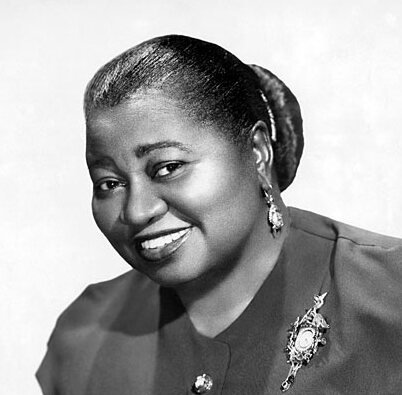
The legacy of Hattie McDaniel demonstrates why Gone with the Wind cannot be responsibly defined in one sentence. McDaniel became the first Black performer to win an Academy Award when she received the supporting actress prize for playing Mammy. Her achievement broke a major barrier in American cinema.
At the same time, Hollywood celebrated McDaniel within a segregated society. She sat separately from the film’s White nominees during the Academy Awards ceremony. She also faced exclusion from events connected to the film because of racial discrimination.
Her role reflected the narrow opportunities offered to Black actresses. Mammy remains memorable, forceful, and central to the story, yet the character also draws from stereotypes created for White audiences. McDaniel’s performance and the limitations surrounding it remain inseparable.
Netflix’s synopsis of Gone with the Wind erases this difficult history. It does not mention McDaniel’s achievement, the discrimination she faced or the contradictions of her role. It reduces a complicated legacy to a single accusation.
Recognizing McDaniel does not excuse the film’s depiction of slavery. Criticizing those depictions does not erase her contribution. A serious historical presentation should hold both realities at once.
This complexity is what Netflix loses through oversimplification. The platform appears eager to issue a judgment but unwilling to explore the people most affected by the history it invokes. That omission weakens the moral authority of the description.
Streaming Platforms Now Shape What Culture Remembers
Many younger viewers encounter classic films through search results, recommendation systems, and streaming pages. They may read a short description long before watching the movie or studying its history. In some cases, the description becomes their only contact with the work.
That gives Netflix’s Gone with the Wind synopsis power beyond its small word count. It frames the movie before viewers can examine its performances, themes, or visual achievements. It also encourages them to understand the film through Netflix’s chosen emphasis.
Streaming services do not merely distribute entertainment. They classify it, recommend it, and decide which elements appear most important. Their metadata can elevate one interpretation while pushing others out of view.
This influence becomes more significant as physical media and traditional television decline. Many viewers no longer browse video stores, read printed film guides, or encounter classic cinema through scheduled broadcasts. Streaming companies increasingly control the entrance to cultural history.
Netflix has not changed a frame of Gone with the Wind. Yet it has altered the way the film appears to anyone who finds the listing. The company’s editorial choices can shape whether people approach the movie with curiosity, hostility or indifference.
Such power deserves careful standards and visible accountability. A global platform should not treat historical context as an improvised marketing tool. When cultural memory passes through corporate interfaces, accuracy becomes a public responsibility.
An Old Corporate Message That No Longer Looks Thoughtful
The reference to Black Lives Matter appears closely associated with the corporate messaging that spread after the protests of 2020. Businesses across the United States issued statements, changed their branding, and promoted racial-justice collections. Some efforts were substantive, while others faded once public attention shifted.
Netflix has not confirmed when it wrote the description. The wording, however, now feels attached to a specific political era. By July 2026, the page appears more like a neglected artifact than an active educational policy.
That impression harms the company’s credibility. A platform committed to historical understanding should review its language, update its sources, and explain its editorial approach. Leaving politically charged wording on an unavailable title suggests institutional carelessness.
The description may once have reflected a broader collection or campaign. If so, Netflix should explain that context. Without clarification, the message appears frozen while the surrounding platform continues to change.
Corporate statements often lose meaning when companies fail to maintain them. What begins as moral positioning can become empty branding. Netflix’s synopsis of Gone with the Wind risks becoming an example of that decline.
A thoughtful revision would not require Netflix to ignore racism. It would require the company to replace a slogan-like statement with accurate, useful, and historically grounded language. That change would show greater respect for viewers and for the history Netflix claims to defend.
One Accurate Sentence Could Have Prevented the Entire Dispute
Netflix could resolve the central problem without hiding the film’s racial legacy. A balanced synopsis might describe Scarlett’s struggle to preserve her family home during the Civil War and Reconstruction. It could then state that the landmark romance remains controversial for its portrayal of slavery and Black characters.
Such wording would be clear, factual, and useful. It would acknowledge the movie’s story, its cinematic importance, and its damaging stereotypes. It would also allow viewers to understand why the film continues to inspire both admiration and criticism.
Instead, Netflix chose a description that sounds more like a verdict than an invitation to examine history. The company charges premium prices, applies inconsistent standards, and provides no named authority behind its judgment. It also maintains that judgment on a page where the movie itself remains unavailable.
The controversy does not prove that Netflix will suffer meaningful subscriber losses. Boycott calls often spread faster than actual cancellations. Still, the backlash reveals how quickly consumer frustration can merge with political distrust.
The deepest issue is not whether Gone with the Wind contains racism. Historical evidence makes that discussion unavoidable. The deeper issue is whether streaming corporations should compress difficult cultural history into anonymous labels that leave no room for narrative, contradiction, or interpretation.
A society understands its past by confronting complexity, not by replacing one romantic myth with one corporate sentence. Netflix had an opportunity to help viewers examine a difficult film with clarity and care. Instead, its synopsis leaves us asking whether the platform wants to explain history or simply control the first words used to describe it.