Nigeria’s Church Is Bleeding, and the World Cannot Pretend Not to See
A Sunday service in Nigeria should sound like hymns, prayers, children shifting in pews, and pastors trying to keep everyone awake after a long week. But in too many communities, especially across the north and Middle Belt, worship now comes with fear, escape routes, and the terrifying question: Will everyone get home alive?
That is why calls to pray for Nigerian Christians are not social-media drama. They are rooted in verified attacks, kidnappings, killings, and displacement. The story must also be told carefully: violent Islamist groups and armed militants are behind many attacks, but ordinary Muslims are not the enemy. Nigeria’s crisis is ugly, layered, and deadly, and Christians have paid a heartbreaking price.
Churches Have Become Targets in a Country Already Drowning in Violence
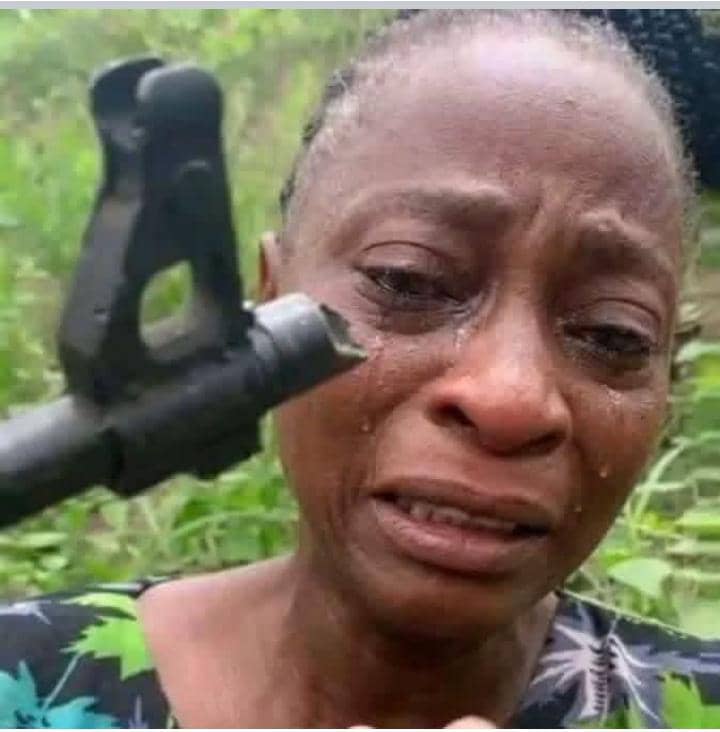
In January, gunmen abducted more than 150 worshippers during simultaneous attacks on three churches in Kurmin Wali, Kaduna state, while services and Mass were underway. A state lawmaker, Usman Danlami Stingo, said, “177 people were missing, and 11 came back,” leaving 168 still missing at that point.
Police later acknowledged the attacks after initially dismissing reports. Police spokesperson Benjamin Hundeyin said, “the incident did occur,” while residents accused authorities of downplaying the horror.
That is the part that stings: families were not just facing kidnappers; they were also fighting to have their suffering believed.
The violence is not limited to one shocking incident. The U.S. Commission on International Religious Freedom said in its 2026 report that religious freedom conditions in Nigeria remained “abysmal,” naming Boko Haram, ISWAP, and Islamic State-Sahel Province among nonstate actors trying to impose extremist interpretations of Islam.
Open Doors also described Nigeria as the global epicenter of deadly violence against Christians, saying 3,490 of 4,849 Christians killed worldwide for their faith during its reporting period were Nigerian.
The Worst Attacks Are Not Rumors; They Are Turning Into Court Cases
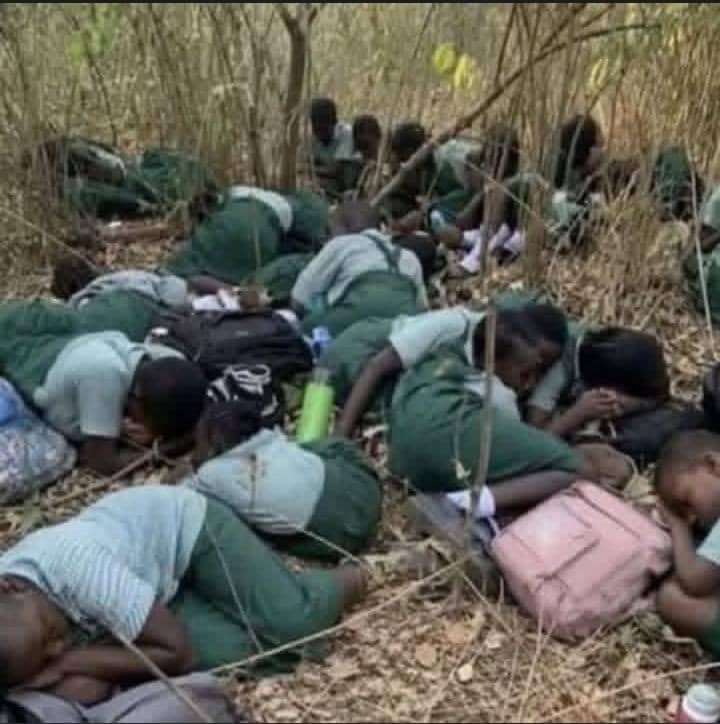
One of the deadliest recent atrocities happened in Yelwata, Benue State. Vatican News reported that around 200 people were “brutally killed,” many of them internally displaced persons sheltering near a Catholic mission. Pope Leo prayed for “security, justice, and peace” in Nigeria and singled out rural Christian communities in Benue as repeated victims of violence.
In February 2026, Nigerian prosecutors filed 57 terrorism-related charges against nine men accused in the June 2025 Yelwata attack, which Reuters reported killed about 150 people. The charges alleged planning meetings, fundraising, weapons procurement, and mobilization of fighters across states.
That matters because it moves the story beyond “claims” and “counterclaims.” Prosecutors have put names, charges, and alleged logistics on the record.
Still, Nigeria’s violence cannot be squeezed into one neat box. The Middle Belt sits between the Muslim-majority north and Christian-majority south, and violence there often overlaps with land disputes, ethnicity, farming, herding, ransom kidnapping, and extremist ideology. ([Reuters][6])
So yes, Christians are being attacked. Yes, churches and Christian schools have been targeted. And yes, Muslims have also been killed by the same broader network of extremists and armed groups. AP noted that analysts say most victims of armed groups are Muslims in Nigeria’s north, even while Christians are among those targeted.
That truth should not weaken concern for Christians. It should sharpen it. The real enemy is violent extremism, lawlessness, and impunity, not every Muslim neighbor who also wants peace.
Leaders Are Talking, but Nigerian Families Need Protection Now
The crisis has become an international flashpoint. President Donald Trump put Nigeria back on the U.S. religious freedom concern list and threatened possible military action if the government did not stop the killing of Christians. Nigerian President Bola Tinubu pushed back, saying the description of Nigeria as religiously intolerant “does not reflect our national reality.”
Nigeria’s government also rejected the U.S. designation, with Information Minister Mohammed Idris saying claims that the state was failing to act against religious attacks were based on “misinformation or faulty data.” He said the government was willing to work with the U.S. and other partners to eliminate terrorism on Nigerian soil.
But for families waiting for abducted children, widows burying husbands, pastors ministering under threat, and displaced villagers sleeping in camps, speeches are not enough.
The church in Nigeria needs more than sympathy. It needs protection for worship centers and schools, serious investigations after attacks, prosecutions that do not quietly disappear, trauma care for survivors, and safe return for displaced families. Prayer matters deeply, but prayer should not become an excuse for silence. It should move people to pay attention, speak truthfully, and demand that human lives be treated as more than numbers in a report.
Nigerian Christians are not asking the world to hate anyone. They are asking not to be forgotten. They are asking to worship without being kidnapped. They are asking to bury their dead without wondering who is next. And they are asking believers everywhere to pray, not with panic or rumor, but with clear eyes, steady faith, and a loud insistence that the church in Nigeria is worth protecting.