North Charleston Introduces a $50 Fee for abandoned shopping carts, with funds aimed at helping community programs

North Charleston is taking a new approach to addressing abandoned shopping carts in public spaces. The city has introduced a $50 abandoned shopping cart fee for retailers and says the money collected will support community programs while encouraging businesses to improve cart recovery efforts.
Shopping carts left along roads, sidewalks, and other public areas have become a challenge for many communities. While they may seem like a small inconvenience, local officials say abandoned carts require city resources to locate, remove, store, and return them to businesses.
North Charleston’s new policy changes how those costs are handled. Instead of placing the full responsibility for recovering abandoned carts on city workers and taxpayers, officials are requiring retailers to pay a recovery fee when their carts are collected from public areas.
The fee does not apply to customers using shopping carts at stores such as Walmart. It applies when city officials recover abandoned carts, and retailers want those carts returned.
The city’s goal is not simply to collect money. Officials say the policy is intended to encourage retailers to strengthen cart management efforts while directing collected funds toward community needs.
City officials say abandoned carts create costs that the new fee is designed to address.

North Charleston officials say abandoned shopping carts create additional work for city employees and require resources to manage. Once carts are removed from private property and left in public spaces, city teams may need to coordinate transportation, storage, and return.
The new fee places part of that recovery cost on retailers connected to the carts. Businesses can avoid those charges by improving prevention methods, increasing retrieval efforts, or using systems that help keep carts within designated areas.
For large retailers, including national chains, a $50 recovery fee may be a small expense. However, repeated charges across multiple locations could encourage companies to invest more heavily in cart tracking and recovery programs.
Retailers may also argue that businesses should not be responsible for carts removed without permission. From that perspective, the issue begins when someone takes store property away from its intended location.
City officials, however, say the focus is not on assigning blame for every missing cart. Instead, they say the policy is designed to address the public costs that occur after abandoned carts appear in community spaces.
The program’s effectiveness will likely depend on whether it changes behavior. If retailers recover carts more quickly and abandon fewer, the city may see fewer collections and lower fees over time.
North Charleston says abandoned cart fees will help fund community support.
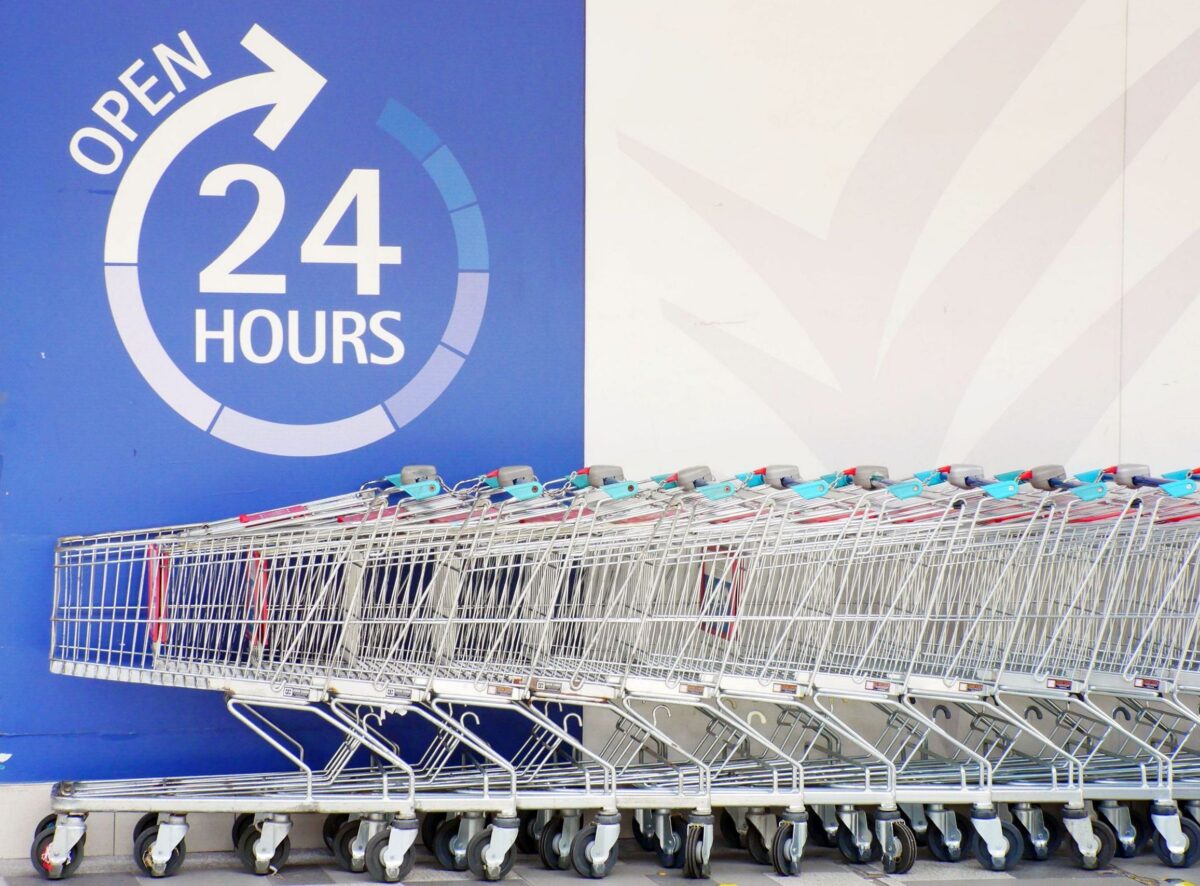
One of the most notable parts of the policy is how North Charleston plans to use the money collected.
City officials say revenue from the abandoned shopping cart fee will support community programs. Officials have discussed directing the funds toward efforts such as warming shelters and assistance programs that help residents during difficult situations.
The approach connects a common public-space issue with broader community needs.
Abandoned carts can appear in many different circumstances. In some cases, people experiencing hardship may use carts to transport personal belongings. In other cases, carts may simply be left behind after being removed from store property.
By recovering carts from public areas and directing the collected funds toward community programs, North Charleston is attempting to address both the visible problem and some of the challenges affecting residents.
The city has not presented the fee as a solution to larger issues such as homelessness or economic hardship. Instead, officials describe it as a limited tool that can provide additional support and improve public spaces.
The success of the program will depend partly on transparency. Residents will likely want to know how much money is generated, how the funds are distributed, and whether the policy produces measurable improvements.
Clear reporting on the program’s results will help determine whether the fee achieves the goals outlined by city officials.
The shopping cart debate reflects a larger question about public responsibility.
North Charleston’s policy highlights a broader discussion happening in communities across the country: who should pay when private property creates a public responsibility?
Retailers may argue that businesses should not bear the financial burden for carts taken by unauthorized individuals. They may view abandoned carts as the result of misuse rather than a failure by the stores themselves.
Local governments often approach the issue from a different perspective. Once a cart is left on public property, city employees must spend time and resources addressing the situation.
North Charleston officials say the fee provides an incentive for retailers to improve cart recovery while helping the city manage the costs associated with abandoned carts.
Similar debates have taken place in other states as lawmakers consider how much authority local governments should have over abandoned cart policies.
The issue demonstrates how a simple shopping cart can become part of a larger conversation involving business responsibility, government resources, and community conditions.
For North Charleston, the coming months will reveal whether the policy changes retailer behavior and reduces the number of abandoned carts appearing in public areas.
North Charleston’s $50 abandoned shopping cart fee may seem like a small local policy, but it reflects a larger challenge faced by many communities: finding practical ways to manage problems that sit between private business responsibility and public costs.
The program’s real measure of success will not be how much money it collects. It will be whether fewer carts are abandoned, whether public spaces improve, and whether the community programs supported by the funds provide meaningful help where officials say it is needed.