Only Boomers Will Remember These 7 Things the Milkman Delivered
There was a time when one of the most familiar sounds of an American morning was the clink of glass bottles on the front porch. Before most people were awake, the milkman had already come and gone, leaving fresh milk in an insulated box by the door or right on the steps. For many boomers, it’s one of the clearest memories of childhood.
Home milk delivery was once completely normal. In the 1940s and 1950s, a large share of the milk Americans drank came straight to their doors. Dairies ran fleets of trucks, and many families knew their milkman by name. He’d swap empty bottles for full ones, collect payment once a week and sometimes even step inside to put the milk in the icebox if nobody was home.
But the milkman brought more than just milk. Depending on the dairy, he might have delivered a surprising range of foods. Here are the things the milkman delivered that only boomers will remember.
1. Glass Bottles of Whole Milk
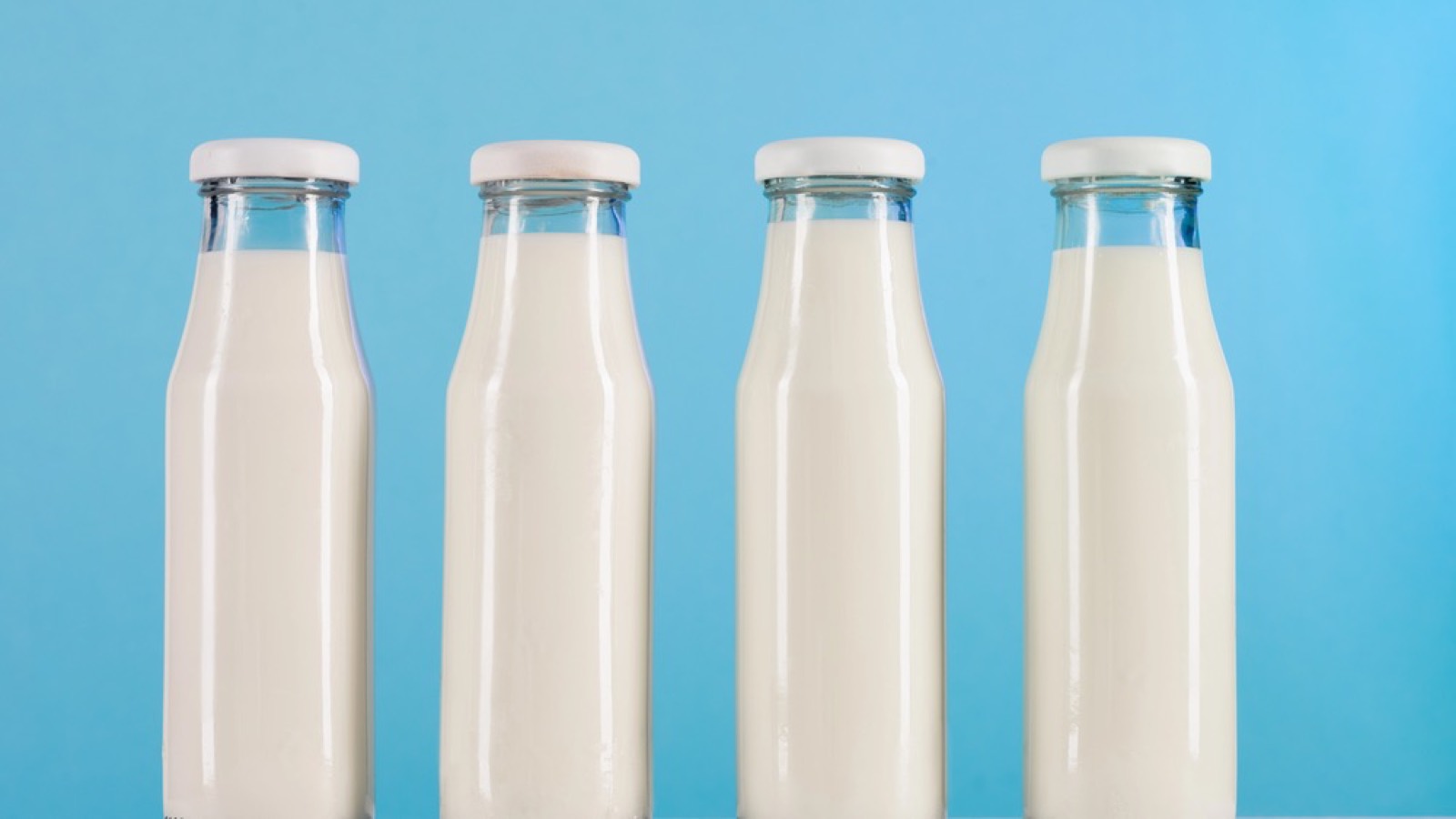
The milkman’s main job was, of course, milk. It came in heavy glass quart bottles sealed with a paper or foil cap, and in the early days many families got whole milk that wasn’t homogenized. The cream rose to the top and formed a thick layer under the cap.
Kids often fought over who got the first pour, since that cream was rich and delicious. Some mothers skimmed it off to use in coffee or for whipping. On very cold mornings, the milk sometimes froze and pushed the cap right up out of the bottle, leaving a little column of frozen cream sticking out the top.
2. Cream and Half-and-Half
Many dairies offered fresh cream in smaller bottles, and plenty of households had a standing order. Heavy cream was used for whipping and baking, while lighter cream and half-and-half went into morning coffee. Some families got a small bottle every few days.
Back then, coffee with real cream was an everyday luxury that didn’t come in a plastic carton with a long shelf life. The milkman made sure the cream was always fresh, and many boomers remember their parents’ coffee tasting richer than anything they drink today.
3. Butter
The milkman often delivered butter, usually in one-pound blocks or quarter-pound sticks wrapped in paper. For families who baked a lot, a regular butter order was just as important as the milk. It saved a trip to the grocery store and was often made by the same local dairy.
Butter was a staple in the kitchens of that era. Mothers and grandmothers used it for baking cookies, pies and cakes, and a pat of butter melted on top of vegetables or mashed potatoes was standard at dinner. Having it brought right to the door made life easier for busy households.
4. Eggs
Many milkmen carried eggs on their routes, sold by the dozen. Some dairies sourced them from local farms, so families got fresh eggs every week without leaving the house. For a household feeding several children, eggs were a cheap, filling staple for breakfast and baking.
A standing egg order was common in many neighborhoods. Families simply left a note in the empty milk bottle telling the milkman what they needed that week, whether it was an extra dozen eggs for holiday baking or nothing at all because they were going out of town.
5. Cottage Cheese and Buttermilk
Cottage cheese was a popular item on many dairy routes, especially in the 1950s and 1960s, when it was considered a light lunch or a side dish. It often came in cardboard or glass containers and was served with canned peaches, pineapple or a scoop of fruit cocktail.
Buttermilk was another regular delivery. Southern families especially used it for biscuits, pancakes, cornbread and fried chicken, while some people drank it straight. Many boomers remember a grandparent sipping a cold glass of buttermilk, sometimes with crumbled cornbread mixed right in.
6. Chocolate Milk and Orange Juice
For kids, the best part of the milkman’s visit might have been a bottle of chocolate milk. Many dairies made their own, and it was considered a treat. Some families only ordered it on weekends or for special occasions, which made it even more exciting.
Many dairies also delivered orange juice and other drinks. As refrigerated orange juice became more popular after World War II, it joined milk on the morning route in many towns. A few dairies even delivered eggnog around the holidays, which made the December milk order something to look forward to.
7. Ice Cream
Some milkmen also delivered ice cream, especially in summer and around the holidays. Many dairies made their own ice cream, and a half-gallon of vanilla or chocolate showing up at the door was a big deal for children. Families often ordered extra for birthday parties.
Getting ice cream delivered was a little trickier than milk, since it had to go straight into the freezer. Many families arranged to be home on those days, or the milkman would deliver it in an insulated container. Either way, it made the milkman one of the most popular people on the block.
Why the Milkman Disappeared
Home milk delivery declined steadily after World War II. As more families bought refrigerators, they could store milk for longer, and the rise of large supermarkets made it easy to pick up a gallon along with everything else. Cars made shopping trips quicker, and suburbs spread out, making delivery routes less efficient.
By the 1960s and 1970s, the milkman was already becoming a rare sight in many areas. According to the USDA’s Economic Research Service, the way Americans buy and drink milk has changed dramatically over the decades, with fluid milk consumption declining over the long run. Plastic jugs replaced glass bottles, and the quiet morning clink faded away.
The Milkman Is Making a Small Comeback
Interestingly, home milk delivery never disappeared completely. Some local dairies still deliver milk in glass bottles, especially in parts of the Northeast and Midwest. Customers like the fresh taste, the reusable bottles and the chance to support local farms.
For boomers, these modern services bring back a lot of memories. There’s something special about opening the front door and finding a cold bottle of milk waiting, just like in childhood. It’s a reminder of a time when neighborhoods felt a little smaller and the milkman was part of the everyday rhythm of family life.