Houston Family Gets Nearly $500K After ICE Shooting, but the Answers Are Still Missing
The fundraiser moved faster than the investigation.
Days after Lorenzo Salgado Araujo was fatally shot by a U.S. Immigration and Customs Enforcement officer in Houston, strangers had donated nearly $500,000 to help his wife and three sons. The campaign, organized by the LULAC Institute, had reached $491,463 from more than 10,900 donations at the time of publication.
The money offers immediate help with funeral, legal, and daily living expenses. It does not resolve the disputed final moments of a shooting that has left federal officials, witnesses, and local investigators presenting sharply different accounts.
The Fundraiser Exploded Beyond Its Original Purpose

The campaign began to protect Salgado Araujo’s family from the financial shock of losing its main provider. Organizers described him as a 52-year-old husband, father, small business owner, and construction worker who spent decades building a life in Houston.
A modest appeal quickly became a nationwide response. Supporters may see the total as an act of compassion for a grieving family, while critics of immigration enforcement may also view the donation as a quiet expression of concern.
The fundraiser can ease the immediate financial pressure. It cannot determine what happened during the final seconds of the encounter.
He Was Not the Person Officers Were Looking For
The Department of Homeland Security later confirmed that Salgado Araujo was not the intended target of the July 7 operation.
Officials said agents had been monitoring an address linked to another person and had previously observed two white vans at the address. They initiated the stop after seeing a driver who allegedly resembled the person they were seeking.
That admission intensified the debate. Mistaken identity does not automatically prove misconduct, but it raises questions about how officers confirmed who they were pursuing before the encounter became deadly.
The Government Says the Van Became a Weapon
ICE said Salgado Araujo ignored verbal commands, rammed a government vehicle, and attempted to run over an officer. The agency maintains that the officer fired in self-defense.
That remains the federal government’s stated explanation. No official finding has determined that the officer acted criminally, and any self-defense claim must be measured against the full evidence.
Supporters of ICE may argue that officers confronting a moving vehicle have only seconds to react. The unresolved question is whether the physical evidence will support the agency’s description of immediate danger.
Witnesses Say the Officer Was Never in the Van’s Path
Three men who were riding in the van have disputed ICE’s account through an attorney.
Their lawyer said the witnesses claimed no agent stood directly in front of the vehicle and that the shots came from the side rather than the front. The men were later held at an ICE processing facility, adding another layer of controversy to their role as witnesses.
Their statements are allegations, not final findings. Still, the conflict between their account and ICE’s version makes independent evidence especially important.
No Body Camera Recorded the Final Seconds
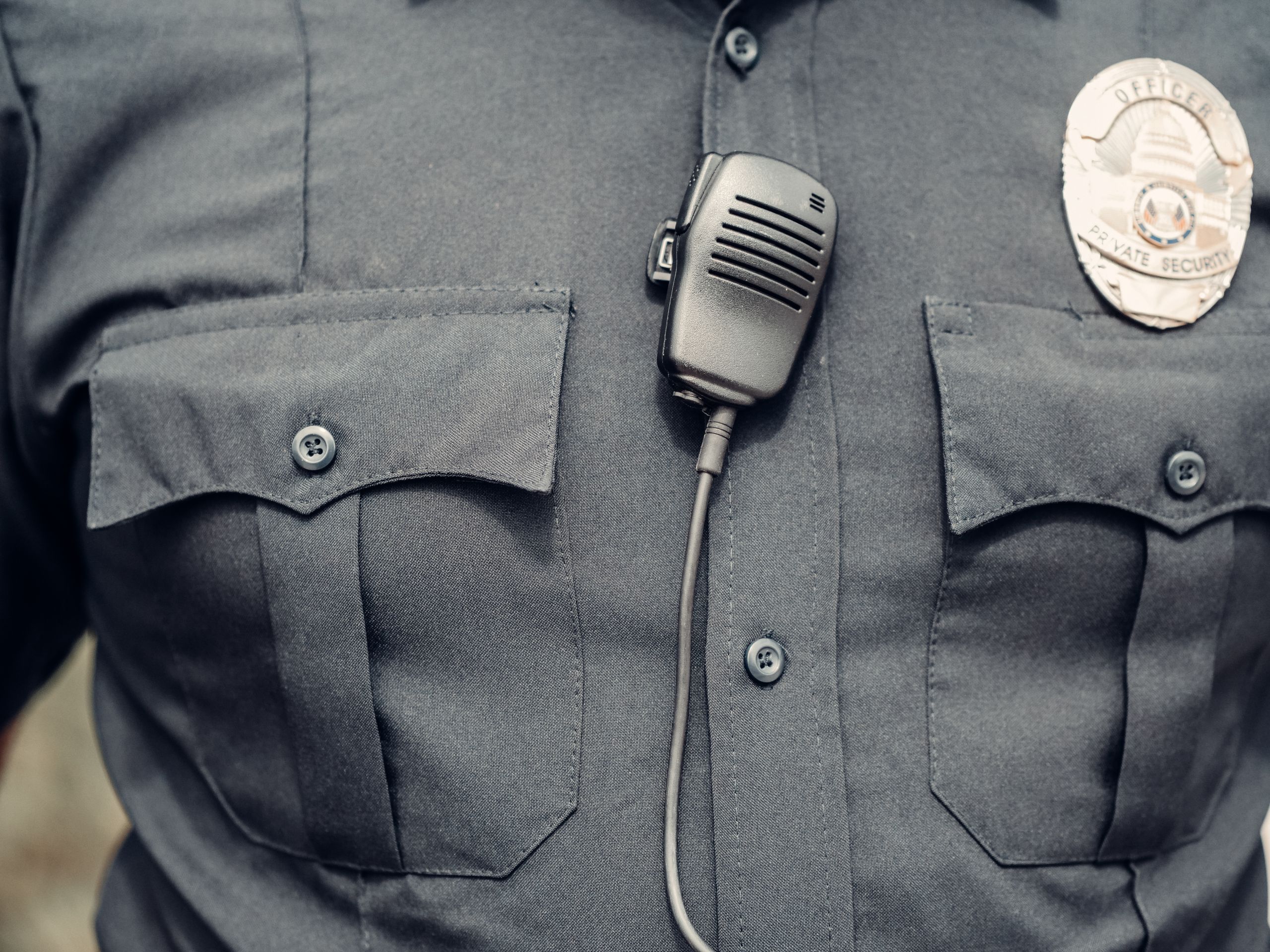
DHS said none of the officers involved were wearing body cameras. The agency attributed the missing equipment to delays in deploying cameras to the Houston field office.
Federal officials have not publicly released footage showing the shooting itself or clear images establishing the positions of the van, officer, and surrounding vehicles.
That absence leaves investigators relying on witness statements, physical evidence, communications records, and any nearby surveillance video. Critics may argue that armed federal street operations should already be recorded, while DHS has said it is continuing to expand body camera coverage.
The Medical Examiner’s Ruling Does Not Decide Guilt
The Harris County medical examiner classified Salgado Araujo’s death as a homicide caused by a penetrating gunshot wound to the torso.
That word can sound like a criminal verdict, but it has a narrower medical meaning. It indicates that another person caused the death, not that the shooting was necessarily murder or legally unjustified.
The legal question remains open. Investigators must determine whether the officer’s use of deadly force was reasonable under the circumstances.
Harris County Says Federal Transparency Has Fallen Short
Harris County District Attorney Sean Teare has opened a parallel local investigation and publicly criticized the amount of information federal authorities have provided.
Teare said his office still did not know the names of the agents present one week after the shooting. He also said local investigators were delayed for hours before gaining access to the scene.
A local investigation does not guarantee a conclusion different from the federal inquiry. It creates another route for gathering evidence and publicly explaining how investigators reached their decision.
The Shooting Turned Neighborhood Grief Into a National Protest
More than 1,000 people marched in Houston’s heavily Latino East End the day after the shooting. Residents also placed candles and flowers near the scene and joined calls for an independent investigation.
Family members described Salgado Araujo as a peaceful man who was transporting workers to a construction job. His son said he discovered what had happened after recognizing his father in an online video.
Those personal details moved the story beyond immigration statistics. For many residents, the case became a test of how federal power is exercised in a working-class Houston neighborhood.
The Money Keeps Rising While the Evidence Remains Out of View
Nearly half a million dollars can help pay bills, fund legal representation, and give a grieving family time to seek answers. It cannot reconstruct the exact position of the van, the officer, and the other vehicles in the seconds before the gunfire.
ICE says an officer faced an immediate threat. Witnesses say the officer was never in the vehicle’s path. Local prosecutors say they are still gathering evidence, while the family continues to seek an independent account.
The fundraiser total is public and continues to change. The evidence that could settle the larger argument remains mostly outside public view.